
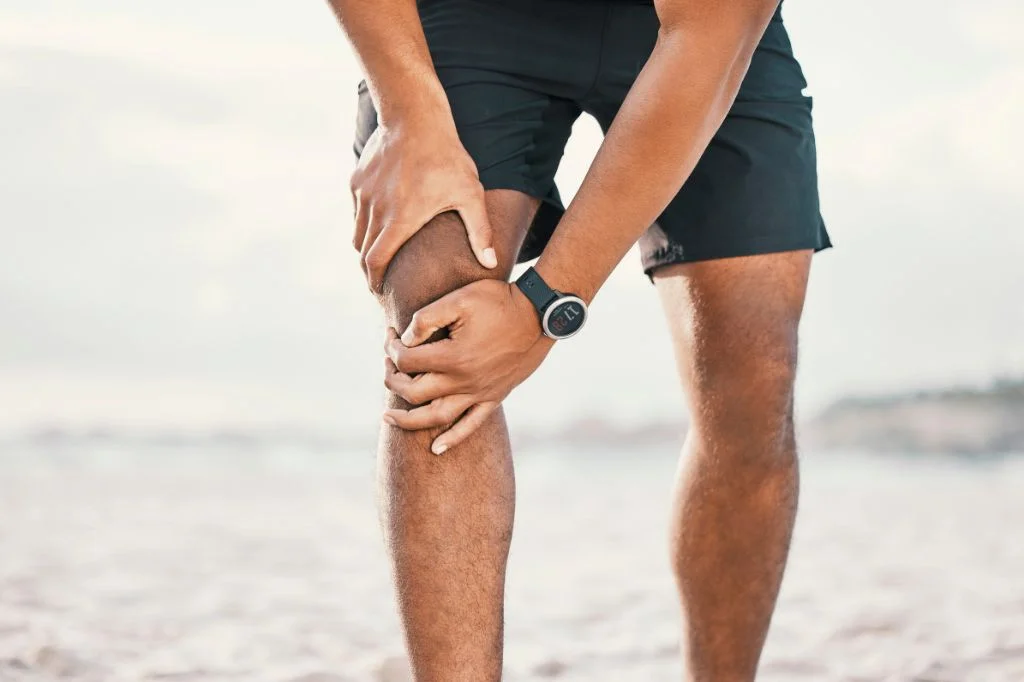
Beach running in Canggu or Seminyak often causes painful shin splints, as the sloped shoreline forces overpronation and places shear stress on your shinbone. Resolving this strain requires moving beyond rest toward targeted, biomechanical physiotherapy in Bali. Proactive care ensures you can continue enjoying your island runs without the constant interruption of chronic discomfort.
Why Coastal Running Triggers Medial Tibial Stress Syndrome
Beach sand lacks a rigid surface rebound, forcing your tibialis anterior and posterior muscles to overwork to stabilize your foot. Additionally, the angled incline of coastal shorelines places an uneven dynamic load on your lower extremities, creating micro-traumatic traction that pulls the periosteum away from the tibia bone.
This constant bone-border friction triggers localized inflammation that locks deep within the tight lower leg muscle compartments. Because this painful soft-tissue pressure stems from direct mechanical overloading, it behaves differently from transient, metabolic conditions like systemic muscle spasms or simple exhaustion from overworked muscles.
Red Flags That Your Shin Pain Is Worsening
Identifying whether your lower leg issues are minor soreness or escalating into structural bone fatigue involves tracking these clinical shifts:
- Lingering Activity-Independent Pain: A sharp ache along the inner lower leg that throbs continuously even hours after your beach session ends.
- Point Tenderness over Bone: Feeling severe, localized pain when pressing on a single, specific spot on the bone border rather than a broad muscle group.
- Altered Gait Biomechanics: Limping or changing how your foot strikes the ground to avoid pain, which can throw off your overall posture and trigger secondary symptoms like sudden ankle pain or beach running heel pain.
According to diagnostic parameters mapped by the NHS, recognizing these markers early is vital. Pushing through severe periosteal inflammation can turn repetitive strain into structural tibial stress fractures requiring months of strict immobilization.
Proactive Lower Leg Unloading Rules at Your Villa
To calm the acute inflammation along your bone borders between rehabilitation sessions, implement these strict self-care protocols at your villa:
- Ice Cup Massage: Freeze water in a paper cup, peel the rim, and rub it directly along the inner edge of your shin for 10 minutes to soothe overactive nerve signals.
- Axial Terrain Modification: Stop running on cambered coastal sand surfaces entirely and switch to flat, firm, shock-absorbing paths until your leg structures heal.
- Symmetric Extension Seating: Sit comfortably with your legs extended and fully supported, avoiding tucked or crossed positions that increase structural tension.
Prioritizing these strategic adjustments inside your accommodation stops repetitive impact from worsening the lower leg injury. Reducing tissue stress controls swelling, allowing your connective structures to safely settle before beginning formal movement rehabilitation.
How Clinical Physiotherapy Accelerates Shin Healing
Permanently resolving tibial inflammation requires fixing your dynamic foot mechanics. At Hydro Medical, our specialized physiotherapy in Bali programs combine manual soft-tissue release to relax tight calf muscle chains with tailored gate assessments to correct the foot overpronation causing the bone friction.
We pair manual therapy with ankle-stabilizing exercises to help your legs absorb impact. This approach follows the same safety guidelines used for treating complex padel joint injuries. You can access this advanced recovery care directly, without interrupting your island stay.

Conclusion
Ignoring the continuous warning signs of medial tibial stress syndrome can result in debilitating stress fractures that halt your physical training entirely. If sharp lower-leg pain or bone tenderness is altering your mobility on the island, contact Hydro Medical to receive a complete biomechanical evaluation from our expert orthopedic team today.
MOVE WITHOUT STRAIN.
Do not allow sharp shin splints to compromise your coastal running or limit your mobility on the island. Let our specialized sports therapists evaluate your leg mechanics and restore your fluid, pain-free stride today.
Frequently Asked Questions (FAQ)
Why does running on Bali’s sandy beaches trigger such intense shin pain?
The natural slope of the beach forces your foot to tilt outward and overpronate, putting repetitive, uneven tension on your lower leg bone borders and deep muscles.
What is the main structural difference between shin splints and a normal muscle strain?
A muscle strain is limited to micro-tears in the muscle fibers, whereas shin splints involve painful inflammation of the periosteum wrapping around your shinbone.
How can I tell if my lower leg pain is a shin splint or an actual bone stress fracture?
Shin splints cause a broad, generalized ache along the inner edge of the bone, while a stress fracture triggers sharp, intense pain focused on one exact point.
Is it safe to stretch my calves aggressively when dealing with severe shin splints?
No, avoid aggressive stretching during a painful flare-up, as pulling too hard on tight muscles can increase periosteal tension along the bone border.
Should I apply ice or use a hot wrap to manage a throbbing shinbone?
Use cryotherapy; massaging the bone border with ice for 10 minutes helps constrict swollen soft tissues and calms local inflammatory signals.
How does a professional physical therapist safely accelerate shin splints recovery?
Our physical therapists use expert manual soft-tissue release to remove deep calf guarding, combined with targeted foot mechanics training to stop overpronation.
Can your sports rehabilitation team bring custom leg decompression treatments to my villa?
Yes, Hydro Medical specializes in on-demand lower-limb rehabilitation, delivering targeted manual assessment and specialized therapeutic protocols directly to your accommodation.
Should I completely stop training if my lower legs ache only during the first mile?
Pushing through pain can lead to serious bone cracks. Modify your workout by shifting to low-impact swimming or cycling until your lower legs fully recover.
How many physiotherapy sessions are usually required to correct running overpronation patterns?
Most active patients notice a significant drop in tissue tension within 4 to 6 focused physiotherapy sessions alongside custom foot stabilization training.
How can I immediately coordinate a priority clinical consultation for an assessment?
You can instantly book your appointment slot by messaging our on-call clinical coordination team directly on WhatsApp at +6281999571911.