
A relaxed sunset run along the beaches of Bali is the perfect way to end your day, but it frequently leads to nagging pain at the back of your ankle. If your feet feel stiff or achy when you take your first steps out of bed, your choice of running surface might be the hidden culprit. Learn why your active island lifestyle requires expert physiotherapy in Bali before this pain stops you in your tracks.
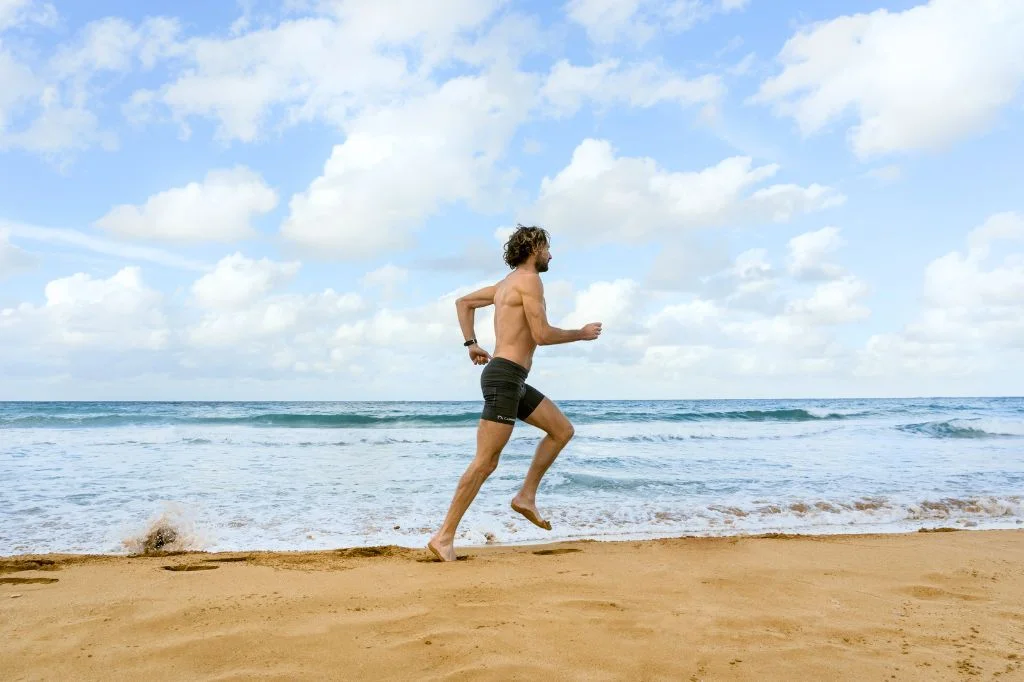
The Hidden Stress of Beach Running
Running on soft, sloping sand forces your calves and Achilles tendons to work overtime just to stabilize your body. The uneven and yielding surface lacks the rebound of a paved road, meaning your tendons must absorb significantly more energy with every single stride.
Over time, this excessive mechanical stress triggers microscopic tears and inflammation, a condition commonly known as Achilles tendinitis. Because the sand is rarely level, your foot often rolls inward or outward, placing even greater, unnatural strain on the tendon and surrounding soft tissues.
Common Symptoms You Should Recognize
If you are unsure whether your discomfort is just normal fatigue or something more structural, look out for these classic signs. Identifying these specific patterns early can save you from weeks of worsening discomfort:
- Sharp Heel Pain: A severe, stabbing pain at the bottom of your heel or the back of your ankle, typically worst during your first steps after waking up or after sitting for a long time.
- Morning Stiffness: An intense tightness in the sole of your foot or calf that slowly eases as you walk around for a few minutes and your muscles warm up.
- Burning Sensation: A hot, lingering ache along the tendon during or immediately after your beach run.
Immediate Relief at Your Villa
Before the pain ruins your itinerary, you can take a few simple, proactive steps right in your accommodation to ease the discomfort. These quick interventions can help reduce the acute inflammation while you seek a proper diagnosis:
- Rolling Massage: Freeze a small plastic water bottle and gently roll it back and forth under the arch of your foot for 5 to 10 minutes to cool the tissue and reduce acute inflammation.
- Strategic Stretching: Perform regular calf stretches throughout the day; just like treating overworked muscles after a heavy gym session, releasing a tight calf reduces the pulling tension on your heel.
- Better Footwear: Temporarily swap your flat flip-flops for supportive running shoes with a slight heel drop until the pain subsides.
When to Seek Professional Help
Chronic foot pain subconsciously forces you to change your walking gait as you shift your weight to avoid stepping on your sore heel. This uneven distribution of pressure can quickly snowball into knee pain after walking or severe lower back issues, mimicking the poor mechanics of a bad scooter riding posture.
Furthermore, persistent inflammation can lead to permanent structural changes or even partial tears within the tendon if you continue to subject it to high-impact stress. You should seek professional medical help immediately if the pain makes you limp, is accompanied by severe swelling, or does not improve after 48 hours of rest.
How Physiotherapy Can Fix Your Step
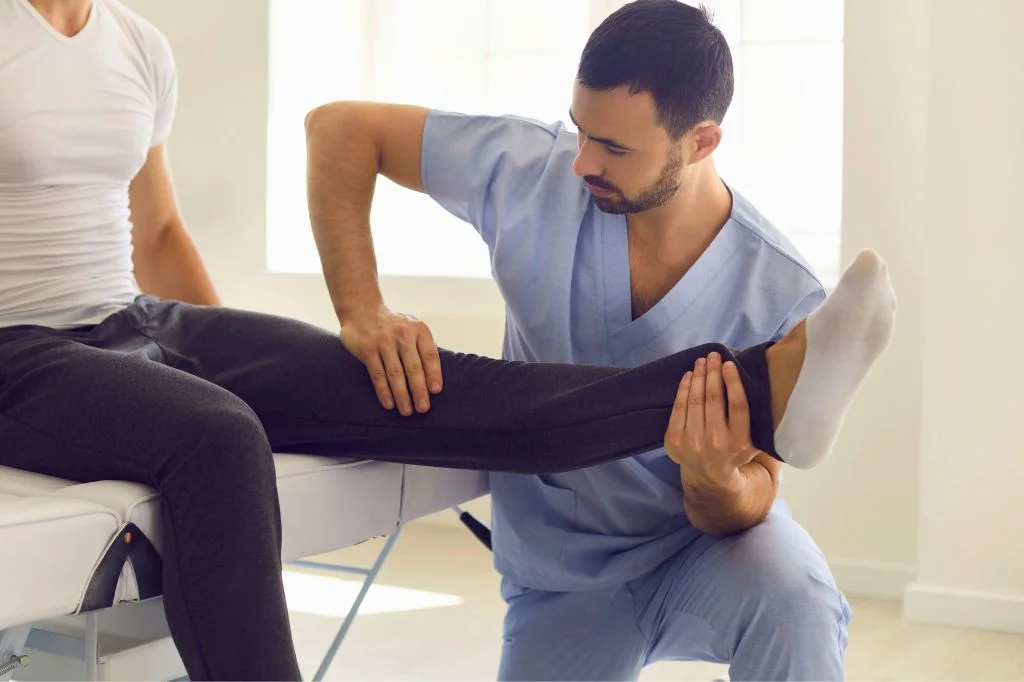
Physiotherapy is the gold standard for resolving overuse injuries like Achilles tendinitis. Our clinical team helps you recover through a structured, evidence-based approach:
- Manual Therapy: Targeted myofascial release techniques to break down tension in the calf and the inflamed tendon area.
- Biomechanical Analysis: Assessing your running gait to identify and correct the imbalances that caused the injury.
- Eccentric Loading Exercises: Prescribed movements that build tendon resilience and strength, specifically tailored to your recovery stage.
- Professional Assessment: Providing a clinical physiotherapy assessment to determine the severity of your injury and prevent long-term damage.
Conclusion
Morning heel pain does not have to be a permanent souvenir from your island holiday. With proper rest, supportive footwear, and targeted rehabilitation, you can comfortably get back to exploring everything the island has to offer. If the pain remains stubborn, contact Hydro Medical to restore your healthy stride today.
STOP LIMPING THROUGH YOUR BALI HOLIDAY.
Our expert team can target your tendon inflammation and fix your running mechanics so you can explore Bali comfortably again.
Frequently Asked Questions (FAQ)
Why does my heel hurt so much after beach running?
Sand is uneven and lacks rebound, forcing your Achilles tendon to stretch and contract significantly more than on firm ground, leading to overuse inflammation.
What is Achilles Tendinitis?
It is an overuse injury of the Achilles tendon, the band of tissue connecting your calf muscles to your heel bone, often caused by repetitive strain.
Can I run on the beach if I have Achilles pain?
No. Continuing to run on sand will worsen the inflammation; switch to firm, flat surfaces or rest until the pain is resolved.
How do I know if my Achilles tendon is torn?
A tear involves sudden, sharp pain, an audible “pop,” and the inability to stand on your toes. This is a medical emergency.
Can physiotherapy help long-term heel pain?
Yes, it is the gold standard for treatment. We use manual therapy and specialized loading exercises to repair the tendon and correct the cause of the injury.
How soon can I return to running?
Return to running should be gradual and under the supervision of a physical therapist to ensure your tendon can handle the load without recurring injury.
Does ignoring this pain affect my knees or back?
Yes. Pain causes you to change your gait, which shifts the stress to your knees, hips, and back, creating secondary injuries across your body.
Can Hydro Medical provide care at my villa?
Yes, we offer Home Visit Physiotherapy services in Bali, so you get expert care without needing to navigate traffic while in pain.
Is there a quick medication to fix this?
Anti-inflammatories only mask the symptoms. Achilles issues are mechanical; they require physiotherapy and exercise to truly heal.
Are there shoes that help prevent Achilles pain?
Proper running shoes with arch support and a slight heel lift can significantly reduce the load on your Achilles tendon compared to flat sandals or running barefoot on soft sand.