
Canggu boasts an incredible fitness community, but high enthusiasm often leads to extreme muscle exhaustion or overtraining. Pushing your body past its limits in the tropical heat can quickly turn a great workout into a persistent ache. Recognizing your body’s boundaries and understanding the basics of physiotherapy in Bali is the secret to staying consistent and treating overworked muscles without risking long-term damage.
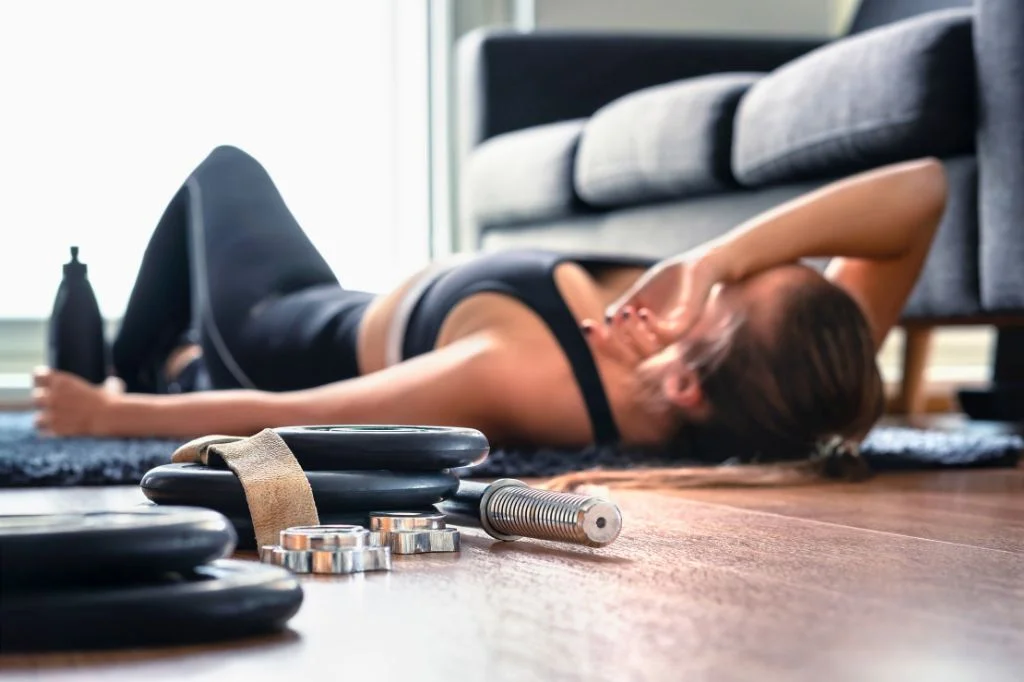
The Canggu Fitness Trap: Are You Overtraining?
Bali’s vibrant energy makes it easy to get swept up in the daily grind of heavy lifting, high-intensity intervals, and surfing. However, working out every single day without adequate rest leads to severe physical burnout and significantly reduces your muscle recovery window.
Furthermore, the island’s intense heat and high humidity accelerate joint dehydration and deplete essential minerals, drastically worsening your fatigue. If your performance is dropping and you feel constantly drained, you are falling into the overtraining trap, forcing your body to compensate poorly and increasing your risk for padel injuries and severe muscle strains.
DOMS vs. Injury: Know the Difference
That stiff, heavy, and aching sensation that peaks 24 to 48 hours after a heavy leg day is known as Delayed Onset Muscle Soreness. This is a completely normal microscopic inflammatory response, signaling that your muscle fibers are adapting, recovering, and growing stronger to handle future physical stress.
Conversely, it is crucial to recognize the warning signs of an actual structural injury or muscle tear. If the pain feels sharp, occurs suddenly during a specific movement, is accompanied by noticeable swelling, or leaves you unable to support your own body weight, this is not standard DOMS. These are massive red flags for severe overtraining that require immediate medical intervention rather than simply resting it off.
3 Ways to Treat Overworked Muscles Fast
When your body is crying out for rest, ignoring the warning signs will only push you closer to a severe injury. Instead of forcing yourself to push through the pain, implement these effective strategies to speed up your recovery and get back to your routine safely:
- Hydration & Active Recovery: Replenish lost electrolytes and engage in gentle mobility—like a light walk or a relaxing swim—to keep your blood flowing and flush out lactic acid.
- Proper Sleep & Nutrition: Consume adequate protein and prioritize deep sleep, as your muscles repair and rebuild themselves primarily while you rest.
- Professional Physiotherapy: Clinical manipulation breaks down deep tissue tension and restores your range of motion, providing targeted relief even if you are also dealing with digital nomad back pain.
Why You Need a Professional Physiotherapist
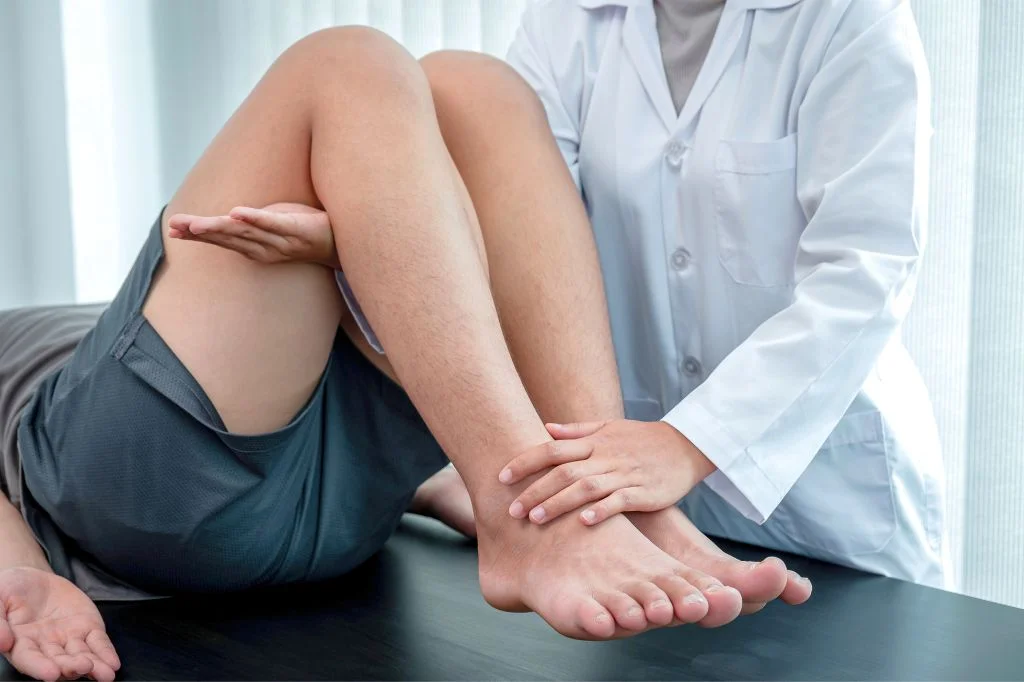
Continuously forcing yourself to train with exhausted muscles inevitably leads to compensatory movements, which dramatically increases the risk of serious joint and structural injuries. By seeking professional physiotherapy, you receive a comprehensive biomechanical evaluation and intensive recovery sessions tailored to your specific physical needs.
Relying on trusted medical experts ensures you get the specialized care necessary for effective muscle fatigue treatment, keeping you safely on track with your fitness goals.
Conclusion
Muscle growth and strength happen when your body is properly rested and cared for, not when it is continuously broken down. Treat your recovery with the exact same dedication as your workouts to prevent long-term damage. Seek the right professional medical support at Hydro Medical to maintain your active lifestyle and keep crushing your fitness goals in Bali.
RECOVER FASTER. TRAIN HARDER.
Don’t let muscle fatigue slow down your progress or turn into a serious injury. Our professional physiotherapy team offers clinical muscle recovery tailored to your active lifestyle.
Frequently Asked Questions (FAQ)
What is the fastest way to recover from a heavy CrossFit session in Bali?
Prioritize deep sleep, proper nutrition, active mobility, and schedule a professional physiotherapy session to relieve deep tissue tension.
How do I know if my muscle pain is DOMS or an injury?
DOMS feels like a dull, widespread stiffness that peaks 24-48 hours post-workout. An injury is usually a sharp, sudden, and localized pain that happens during a specific movement.
Can dehydration make muscle fatigue worse?
Absolutely. Dehydration reduces blood flow to your muscles, making it harder to deliver oxygen and remove waste products, leading to severe cramps.
Should I work out if my muscles are still sore?
If the soreness is mild, a light recovery workout can help. If the pain alters your form or feels sharp, rest is mandatory to prevent serious injury.
Do you offer physiotherapy sessions tailored for athletes in Canggu?
Yes, Hydro Medical offers specialized physiotherapy treatments designed for sports recovery and bio mechanical correction, available at our clinics or via home visit.
Is massage or physiotherapy better for gym fatigue?
While a spa massage offers general relaxation, physiotherapy provides a clinical approach to biomechanical recovery, targeting the specific muscle groups strained during your workout.
How often should I get physiotherapy if I train 5 days a week?
For highly active individuals, a bi-weekly or monthly maintenance session can significantly help prevent overtraining injuries and improve joint mobility.
Will pushing through the pain make my muscles stronger?
No. Pushing through sharp or localized pain often leads to muscle tears or joint damage, which will sideline your training for weeks or months.
Can I take painkillers to train through DOMS?
It is highly discouraged. Painkillers mask your body’s natural warning signals, making it very easy to overexert yourself and cause structural damage without realizing it.
How can I book a physiotherapy session with Hydro Medical?
You can easily book an appointment through our Call Center via WhatsApp, and our medical team can assist you directly.