
Padel has quickly become Bali’s hottest social sport, packing courts from Canggu to Uluwatu daily. While incredibly fun, its fast-paced, explosive movements put massive stress on unprepared joints.
Before an unexpected injury sidelines you, understanding basic court biomechanics and knowing when to seek professional physiotherapy in Bali can save your entire playing season.
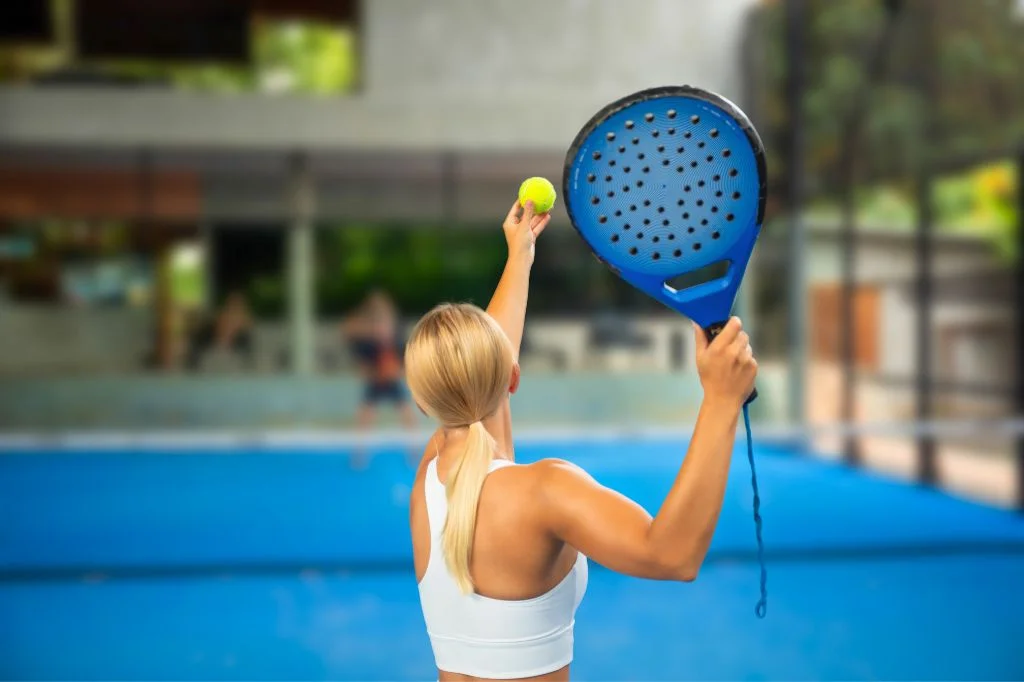
Why the “Bali Padel Boom” Demands Your Attention
Playing padel in Canggu or Berawa is highly dynamic, combining the glass walls of squash with the rules of tennis on a sandy, artificial turf. Unlike a controlled gym routine or simply fixing your digital nomad posture after a day at a cafe, padel forces your body to react instantly.
This explosive sport requires sudden lateral (side-to-side) movements, deep lunges, and rapid torso rotations to return the ball. If you are transitioning straight from a sedentary lifestyle to a high-intensity padel match, your joints and ligaments are taking the full force of that shock, drastically increasing your risk of acute injuries.
The Hidden Toll on Your Joints (What to Watch Out For)
The intense, fast-paced nature of the game has hidden side effects if you aren’t careful about your biomechanics.
- The Notorious “Padel Elbow”: Padel rackets are made of solid carbon or fiberglass without strings. Every hard strike sends shockwaves directly into your forearm tendons, which can slowly trigger lateral epicondylitis (tennis elbow) if your swing technique is slightly off.
- Knee and Ankle Strain: Constant stop-and-go motions and aggressive pivoting put a sudden, immense load on your knees and ankles. This becomes highly risky if your core or hips are already tight from sitting all day or from poor scooter riding posture.
- Achilles Tendon Pressure: Repeatedly jumping for an overhead smash and landing harshly on the sandy turf can overload the tendon at the back of your heel. This pressure can easily spark severe tendinitis if your calf muscles are not properly warmed up.
4 Pro Tips to Injury-Proof Your Padel Game
Preventing a sports injury is always easier—and significantly less painful—than treating one. Keep your body in peak condition and ready for your next match by following these essential court strategies:
- Ditch the Running Shoes: Running shoes are built exclusively for forward motion and completely lack lateral support. You must wear specific padel or tennis shoes to grip the sandy turf and prevent dangerous ankle sprains.
- Never Skip the Dynamic Warm-Up: Do not just walk onto the court and start swinging. Spend at least ten minutes doing joint rotations, deep lunges, and shoulder circles, because cold muscles are fragile muscles.
- Choose the Right Racket: Beginners should absolutely avoid heavy, diamond-shaped rackets. Opt for a round, fiberglass racket that is softer, easier to control, and absorbs harmful vibrations to protect your arm.
- Rest and Recover: Just like managing shoulder pain from surfing, playing padel every single day without adequate recovery will inevitably trigger joint pain and overuse injuries.
How Proactive Physiotherapy Elevates Your Game
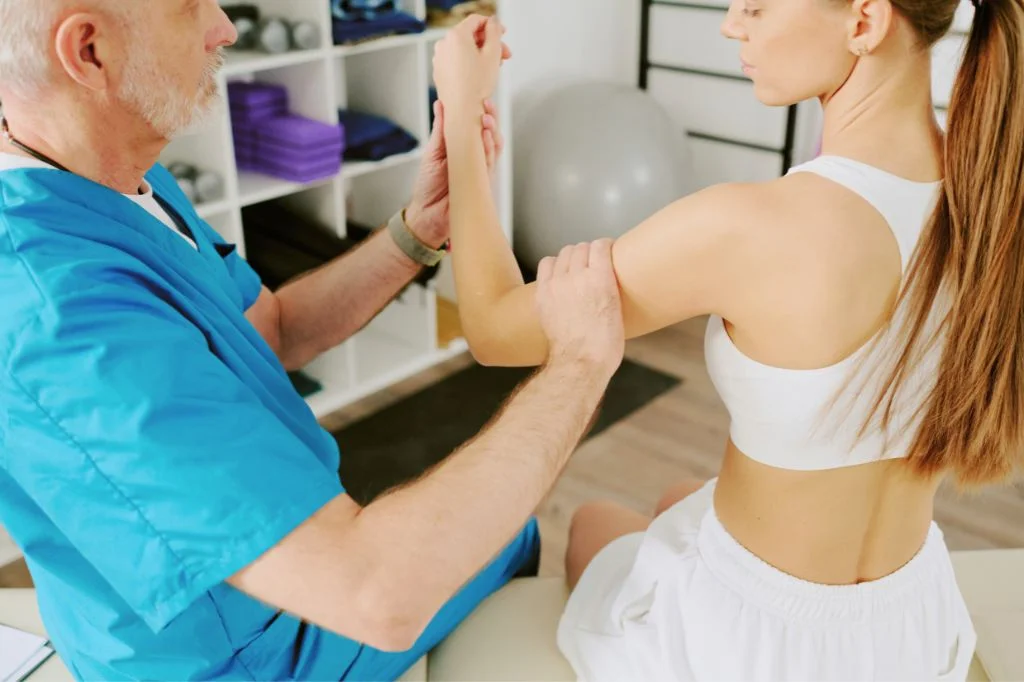
Many people think that sports physiotherapy is only for athletes who are already injured, but proactive care is the secret to longevity on the court. A sports therapist can perform a comprehensive mobility assessment to spot your biomechanical weaknesses before they turn into a torn ligament.
By prescribing targeted stretching and strengthening exercises tailored to your body, professional physiotherapy in Bali helps you hit harder, move faster, and pivot safely without the looming fear of joint pain.
Conclusion
The padel trend in Bali is a fantastic way to stay active, meet new friends, and enjoy the island’s vibrant outdoor lifestyle. However, proper physical preparation and a keen awareness of your body’s limitations are the ultimate keys to playing safely. Make sure your body is actually ready to handle the intense demands of the court. Consult your sports mobility and joint health with the expert team at Hydro Medical.
PLAY HARDER. RECOVER SMARTER.
Want to improve your game and stay injury-free on the padel court? Don’t wait for a sharp pain to stop you. Book a sports mobility assessment with our expert physiotherapists today.
Frequently Asked Questions (FAQ)
Why is padel so popular in Bali right now?
Padel is highly social, easier to learn than tennis, and fits perfectly into the active, community-driven lifestyle of Bali’s expat and tourist hubs.
Can I use running shoes to play padel?
It is highly discouraged. Running shoes lack lateral (side-to-side) support and grip, increasing your risk of slipping or spraining your ankle on the sandy turf.
What is “Padel Elbow”?
It is a form of lateral epicondylitis, caused by the repetitive shock of hitting the ball with a solid, stringless racket, sending harmful vibrations straight to your arm.
Do I need a heavy or light racket as a beginner?
Beginners should start with a lighter, round-shaped racket made of softer materials like fiberglass. It is easier to control and absorbs more vibration, protecting your arm.
Are sore knees normal after playing padel?
Mild muscle fatigue is normal, but sharp pain inside the joint is a warning sign that your ligaments or meniscus are being strained from excessive pivoting.
How long should a good warm-up take?
A proper dynamic warm-up should take at least 5-10 minutes, focusing on mobilizing your shoulders, torso, hips, and ankles before you start swinging.
Is physiotherapy only for when I’m seriously injured?
Not at all. Proactive physiotherapy helps identify muscle imbalances and joint stiffness before they turn into injuries, ultimately improving your performance on the court.
What should I do if my elbow feels slightly sore after a game?
Rest, apply ice if it’s a new pain, and evaluate your racket choice. If the soreness persists for more than a few days, consult a professional immediately.
Can a bad posture affect my padel game?
Absolutely. Poor desk posture tightens your hips and weakens your core, limiting your rotational power and forcing your lower back and knees to overcompensate during a match.
Does Hydro Medical offer treatments for sports enthusiasts?
Yes, at Hydro Medical Clinic we provide comprehensive physiotherapy, sports assessments, and medical consultations tailored to keep athletes and casual players in top shape.