
Bali’s tropical humidity is ideal for adventure, but heavy exertion often triggers painful muscle spasms in travelers. Unmanaged, these contractions lock muscle fibers, severely restricting movement. Safe recovery involves combining immediate self-care with specialized physiotherapy in Bali to restore normal joint mechanics and neurological function.
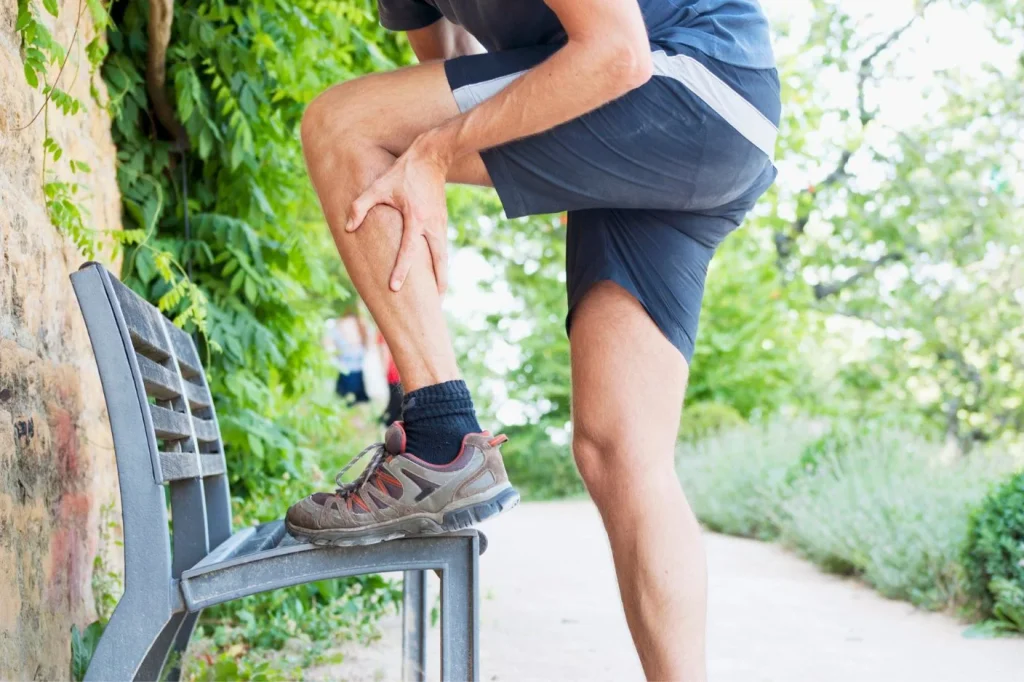
Why Tropical Heat and Activity Trigger Spasms
Extended exposure to tropical heat combined with intense physical activity dramatically speeds up your body’s sweat rate, rapidly depleting water and essential minerals like sodium, magnesium, and potassium. This severe decrease in mineral levels disrupts fluid pathways within your tissues, making it impossible for microscopic cell channels to pump calcium out of the muscle fibers.
Without this calcium release, your tissue is unable to relax on its own, locking the entire muscle group into a painful contraction. This acute metabolic imbalance behaves differently from sudden structural ligament tears caused by a whiplash from a minor scooter crash or standard post-exercise fatigue.
Recognizing Severe Muscle Cramp Complications
Identifying whether your muscle locking is a benign cramp or a sign of severe tissue distress involves checking for key physiological markers:
- Ischemic Muscle Guarding: A persistent hardness or a solid knot in the muscle bellies that refuses to release after several minutes, signaling prolonged tissue ischemia.
- Secondary Nerve Compression: A radiating numbness or electric tingling travelling down from the cramped muscle area, which occurs when hyper-tonic muscle walls press against nearby peripheral nerves.
- Post-Cramp Biomechanical Compensation: Limping or altering your walking gait to protect the sore area, which can cause alignment strain and worsen an existing poor scooter riding posture.
According to clinical resources shared by the Mayo Clinic, tracking these localized tension signals early is essential. Spasms followed by noticeable skin redness, swelling, or severe muscle weakness require immediate professional diagnostic screening to ensure no structural muscle tearing has taken place.
Muscle Spasm First Aid for Travelers
If an acute spasm locks your calf, thigh, or back while exploring the island, employ these immediate first aid protocols:
- Continuous Passive De-loading: Slowly and gently lengthen the shortened muscle wall. Hold the stretch at a mild discomfort level rather than bouncing, which can re-trigger the spasm reflex.
- Isothermal Relaxation Support: Apply a cool pack wrapped in a cloth to the center of the spasm to reduce neural excitability, preventing the localized muscle swelling often seen after treating overworked muscles.
- Deep Workspace Adjustments: If you experience recurring back spasms while working, stretch your hamstrings and change your sitting dynamics to avoid the static loads of a poor digital nomad posture.
How Professional Physiotherapy Restores Muscle Health
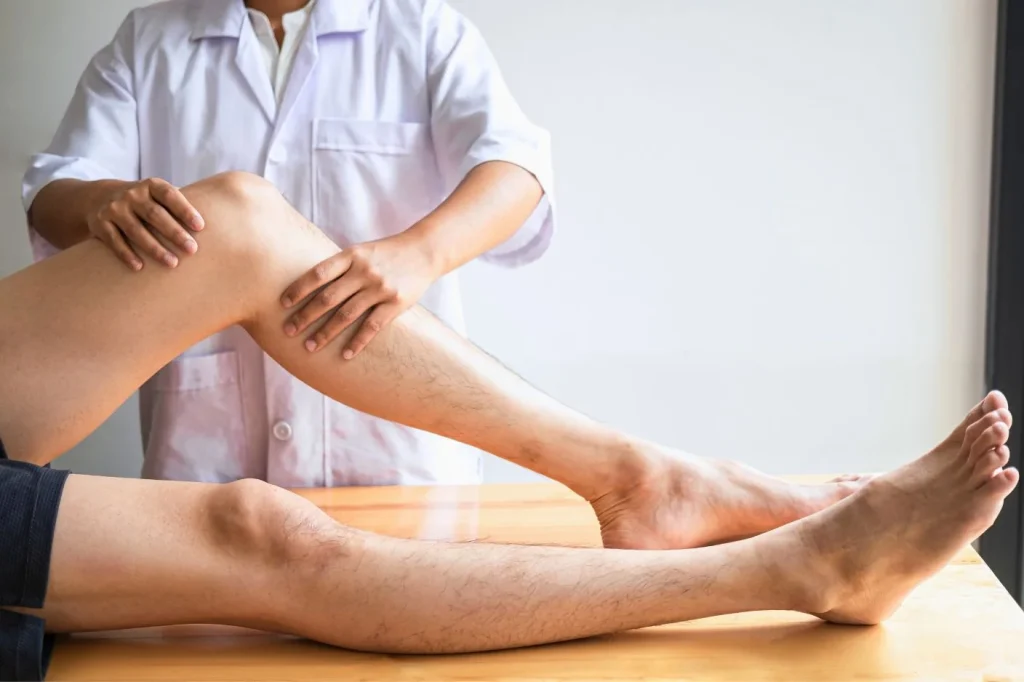
Severe muscle spasms require professional rehabilitation rather than simple rest. Hydro Medical’s specialized physiotherapy in Bali targets deep muscle guarding and myofascial restrictions, using manual release techniques to break up fiber clusters, boost circulation, and clear metabolic waste.
Our team also uses neuromuscular re-education to restore reflex thresholds and stabilize your body against re-injury. This approach mirrors the recovery pathways for padel joint injuries, employing tailored stretching to guide your body back to full health.
Conclusion
Allowing a severe muscle knot to remain tight will eventually pull your surrounding joints out of alignment and increase your risk of a painful soft-tissue strain. If an intense cramp has left you with persistent soreness or limited movement, contact Hydro Medical to receive a comprehensive lower-limb or spinal evaluation from our musculoskeletal specialists.
RELEASE THE KNOT.
Persistent post-spasm muscle tightness limits your mobility and puts extra strain on your joints. Let our specialized musculoskeletal therapists restore your muscle flexibility and alignment safely today.
Frequently Asked Questions (FAQ)
Why does Bali’s tropical heat cause such sudden, severe muscle spasms?
Sweating heavily under the tropical sun rapidly depletes essential minerals like magnesium, sodium, and potassium, causing your nerves to misfire and lock your muscle fibers into a cramp.
How can I tell if my muscle pain is a standard cramp or a deeper injury?
A regular cramp releases within minutes through gentle stretching; a deeper muscle strain or nerve compression leaves a painful, hard knot that limits movement for days.
Can bad footwear or flat arches trigger recurring leg spasms while walking in Bali?
Yes, collapsed arches throw off your entire lower-limb tracking, forcing your calves and hamstrings to work double-time, which leads to early muscle fatigue and spasms.
What is the best immediate first aid move for a sudden hamstring spasm?
Sit down immediately, extend your leg completely straight out, and gently pull your toes upward toward your body to passively stretch and lengthen the spasming muscle wall.
Should I apply a cold pack or a hot towel to a hard muscle knot after a cramp?
Use a cold pack wrapped in a light towel for 15 minutes to reduce acute nerve irritation and tissue swelling; avoid immediate heat as it can worsen internal inflammation.
How does professional manual therapy systematically treat a persistent muscle knot?
Our physical therapists use deep tissue release and manual mobilization to manually separate clustered muscle fibers, restore local circulation, and clear out trapped metabolic waste.
Can your rehabilitation team provide clinical muscle mobilization directly at my Bali villa?
Yes, Hydro Medical provides dedicated home visit physiotherapy across Bali, delivering advanced manual release treatments straight to your villa or hotel room.
Why do my severe muscle spasms keep returning during long scooter rides?
Keeping your legs fixed in a static, bent position restricts local blood flow, which starves your lower-limb tissues of oxygen and prompts severe protective muscle spasms.
How many physiotherapy sessions are usually needed to release severe muscle guarding?
Most clients experience a notable reduction in tissue tightness and pain within 1 to 2 focused manual therapy sessions, with full movement returning shortly after.
How can I immediately coordinate a clinical knee evaluation slot?
You can secure an on-call appointment directly by messaging our clinical coordination team on WhatsApp at +6281999571911.