
High-impact workouts or surfing can cause micro-traumatic friction, leading to shoulder and hip bursitis. When these protective sacs are overloaded, they swell and restrict your range of motion. Restoring pain-free movement requires strategic unloading and specialized physiotherapy.
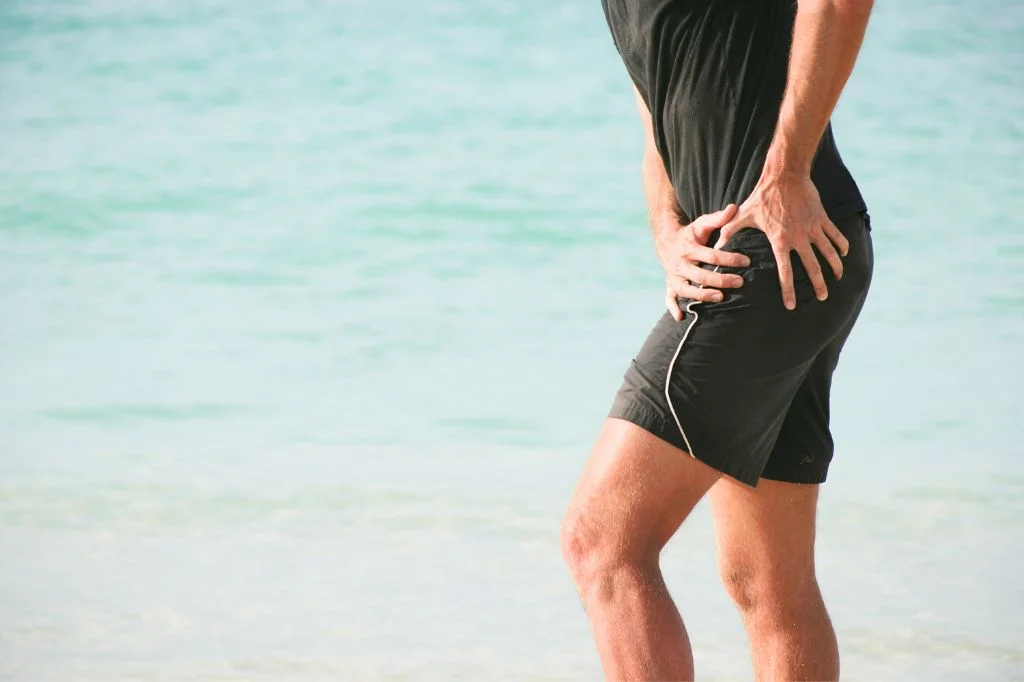
Understanding How Bursal Sacs React to Overuse
Bursal sacs are fluid-filled cushions that prevent tendons from grinding against bone during movement. Repetitive motions like overhead paddling or running on uneven sand generate shear stress, causing these protective structures to swell. Early intervention is the key to preventing these minor irritations from becoming chronic issues.
This swelling restricts joint extension and creates a constant, throbbing pain. This localized pressure is distinct from transient muscle spasms or the general fatigue associated with overworked muscles. Properly identifying this distinction helps ensure you choose the correct approach for your recovery.
Red Flags of Shoulder and Hip Bursitis
Identifying whether your joint pain stems from minor fatigue or true bursal sac inflammation involves checking for these specific mechanical warning signs:
- Localized Pressure Tenderness: Sharp, distinct pain when pressing directly on the outside of your hip bone or on the tip of your shoulder, making sleeping on that side difficult.
- Painful Movement Arc: Intense, catching discomfort specifically when raising your arm overhead between 60 and 120 degrees or when swinging your leg outward.
- Postural Overcompensation: Unconsciously shifting your pelvic weight or altering your stride, which actively compromises your digital nomad posture or sitting posture.
According to documented care criteria outlined by the NHS, tracking these localized physical signals early is vital. Allowing dense, chronic bursa swelling to tighten unchecked can lead to localized joint tracking restrictions, premature structural wear, or permanent changes in your movement mechanics.
Proactive Joint Unloading Protocols at Your Villa
To keep the irritated bursa from getting pinched further during daily movements, apply these immediate first aid steps at your villa:
- Targeted Cryotherapy: Apply a cold pack wrapped in a clean towel over the painful outer hip or shoulder joint for 15 minutes twice a day to reduce swelling.
- Rotational Load Modification: Temporarily replace high-repetition overhead lifting, intense paddling, and long sand running with non-impact movement pathways.
- Symmetric Extension Sleeping: Sleep on your back with a pillow under your knees to take direct pressure off the inflamed bursal walls.
Practicing these immediate home care adjustments calms the acute inflammatory spike, shielding your compromised joint surfaces from cumulative micro-trauma. This unloading phase effectively drops localized friction, ensuring you do not worsen structural tissue pathing before an assessment.
How Clinical Physiotherapy Resolves Bursal Friction
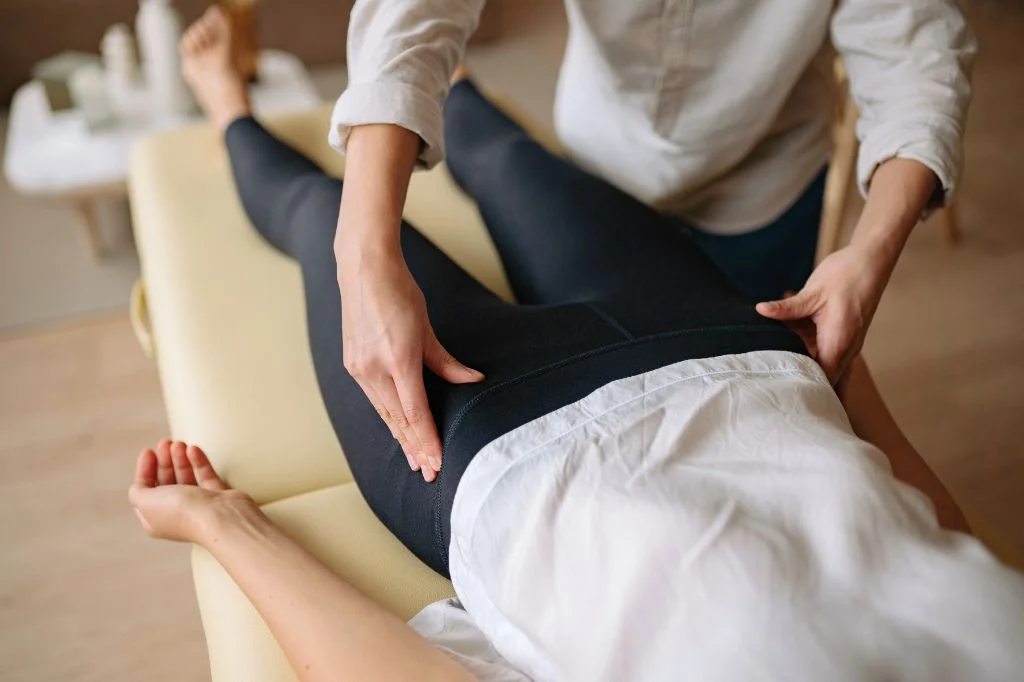
Stopping chronic bursal compression requires correcting dynamic joint pathing. At Hydro Medical, our specialized physiotherapy in Bali protocols resolve the movement imbalances pinching your bursal tissues. Our sports therapists use manual therapy, soft-tissue release, and joint mobilizations to decrease local pressure and restore pain-free range of motion.
We pair these techniques with motor control exercises to stabilize your shoulder and hip, preventing future flare-ups. This pathway follows the same safety guidelines used for managing complex padel joint injuries. If clinic travel is difficult, our specialists can coordinate direct treatment at your villa to protect your active lifestyle.
Conclusion
Pushing through deep bursa inflammation can result in chronic tissue thickening and long-term joint restrictions. If persistent shoulder catching or outer hip pain stops you from enjoying your vacation activities, contact Hydro Medical to secure a complete biomechanical evaluation from our rehabilitation specialists today.
MOVE WITHOUT FRICTION.
Do not allow chronic bursa inflammation to stiffen your joints or compromise your training. Let our specialized musculoskeletal therapists evaluate your mechanics and eliminate your joint friction today.
Frequently Asked Questions (FAQ)
How does a repetitive activity like surfing trigger shoulder bursitis?
Continuous paddling forces your shoulder joint into hyperextension and overhead rotation, causing nearby tendons to repeatedly pinch and inflame the protective subacromial bursa sac.
Why does my outer hip pain feel significantly worse when I sleep on my side in my Bali villa?
Lying directly on your side places direct mechanical pressure on an already inflamed trochanteric bursa, compressing it against the hip bone and worsening joint pain.
What is the main structural difference between bursitis and a muscle strain?
A muscle strain involves localized micro-tears in the muscle fibers themselves, whereas bursitis is localized inflammation inside the fluid-filled capsule cushioning the joint space.
Can running on Bali’s uneven sandy beaches cause hip bursitis?
Yes, running on unstable, sloped sand forces your hip stabilizers to overwork, generating excessive friction as your tendons slide across the outer hip bursa.
Should I apply ice or a heat pack to a burning, throbbing shoulder joint?
Use ice wrapped in a towel for 15 minutes to reduce active bursa swelling; avoid heat initially as it increases fluid accumulation inside the inflamed sac.
How does a clinical physical therapist safely treat an inflamed bursa?
Our physical therapists use precise manual joint mobilization to open up the joint space, alongside soft-tissue release to remove painful muscle guarding.
Can your rehabilitation team deliver customized joint treatments directly to my villa?
Yes, Hydro Medical specializes in on-demand orthopedic rehabilitation, coordinating with senior sports therapists to deliver assessment and targeted care straight to your accommodation.
Is it safe to continue fitness training if my hip joint aches during lateral movements?
It is unsafe to push through a sharp, burning ache. Modify your training by avoiding high-friction rotations until a professional evaluates your movement pathways.
How many physiotherapy sessions are typically required to resolve chronic bursitis?
Many clients note a major drop in joint compression and localized pain within 4 to 6 focused physiotherapy sessions.
How can I immediately coordinate a priority clinical slot for a joint assessment?
You can book an appointment instantly by sending a message to our on-call clinical coordination team on WhatsApp at +6281999571911.