
You walked out of the clinic feeling relieved after starting your treatment for rabies in Bali, but hours later, you feel feverish and achy. A terrifying thought creeps in: “Is the vaccine failing?” Take a deep breath. What you are feeling is likely not the infection, but the solution—evidence that your body is building the “army” (antibodies) to protect you.
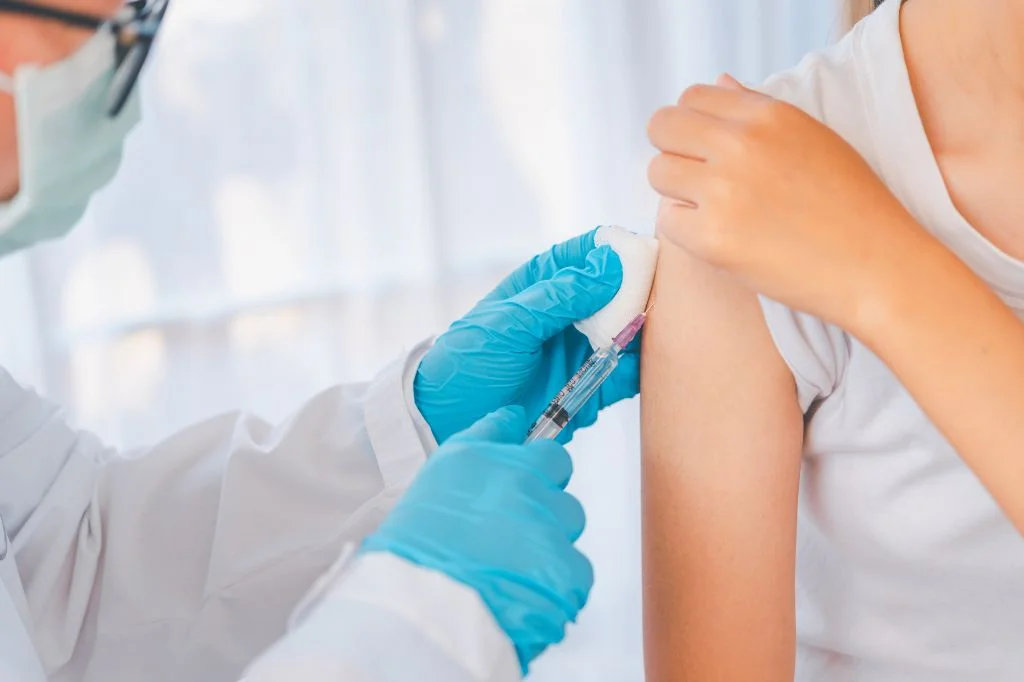
Common Side Effects: The “Good” Signs
When you receive a vaccine, your immune system wakes up and starts processing the inactivated virus to learn how to fight it. This process takes energy and creates inflammation, which manifests as side effects.
Local Reactions
It is very common to experience discomfort specifically where the needle went in (usually the upper arm or shoulder). Your arm might feel heavy, sore to lift, or you might see a pink patch, swelling, or mild itching around the injection site.
Systemic Reactions
Because your immune system is active, you might feel general “flu-like” symptoms. These include mild fever (usually low grade), headache, nausea, dizziness, or muscle fatigue. These side effects typically appear within 24 to 48 hours after the shot and resolve on their own with rest.
Actual Rabies Symptoms: The “Bad” Signs
If you are worried that your fever is a sign of rabies, look at the location and the timing. Vaccine side effects cause pain at the injection site (arm) immediately. In contrast, early symptoms of rabies typically appear weeks or months later and start with a specific tingling, burning, or prickling sensation at the animal bite wound itself, even if that wound has healed. It is medically extremely rare for rabies symptoms to appear within 24 hours of a bite.
The “Alcohol Myth”: Can I Drink After My Shot?
This is the most common question we hear from tourists. The truth is that moderate alcohol consumption does not cancel out or damage the rabies vaccine. Having a beer at sunset or a glass of wine with dinner is safe.
However, doctors recommend avoiding heavy drinking immediately after your shot simply because alcohol causes dehydration. This can suppress your immune system temporarily and make common side effects—like headaches or nausea—feel much worse. The advice is simple: listen to your body. If you feel tired, stick to water or a coconut.
When to Call the Doctor (Allergic Reactions)
While mild side effects are normal, a severe allergic reaction (anaphylaxis) is a medical emergency. Although rare, you need to seek immediate help if you experience:
- Difficulty breathing or wheezing.
- Swelling of the face, eyes, lips, or throat.
- A widespread itchy rash (hives) all over your body, not just on the arm.
- Rapid heartbeat or feeling faint.

Managing the Discomfort
If you are feeling the post-vaccine slump, treat it like a mild flu. You can take Paracetamol to lower the fever and reduce arm pain—this will not affect the vaccine’s potency. Apply a cool cloth to your sore arm and drink plenty of water.
If you feel completely drained and need a faster recovery to enjoy the rest of your trip, some patients opt for an immune booster IV drip to restore hydration and energy levels. Most importantly, do not skip your next dose. Completing the full schedule is vital, reinforcing the importance of timely vaccination to ensure 100% protection.
Conclusion
A sore arm or a mild fever is a small price to pay for life-saving protection. Stay calm, rest up, and trust the process. If you are unsure about your symptoms, Hydro Medical Clinic is open 24/7 to assess you. We believe in transparent care, from explaining side effects to providing a clear rabies vaccine cost guide.
EXPERIENCING SEVERE REACTIONS?
Mild fever is normal, but difficulty breathing is not. If you suspect an allergic reaction, contact our emergency team immediately.
Frequently Asked Questions (FAQ)
Is it normal to have a fever after the rabies vaccine?
Yes, it is very common. A mild fever indicates that your immune system is responding to the vaccine and building antibodies. It typically subsides within 24 to 48 hours and can be managed with Paracetamol.
Can the rabies vaccine actually give me rabies?
No, absolutely not. Modern rabies vaccines (like Verorab used in Bali) are made from inactivated (killed) viruses. They cannot replicate or cause the disease. Any symptoms you feel are immune responses, not the infection itself.
How do I tell the difference between vaccine side effects and rabies symptoms?
Location and timing are key. Vaccine side effects cause pain at the injection site (arm) and start within hours. Rabies symptoms typically cause tingling/itching at the animal bite site and usually appear weeks or months later.
Can I drink alcohol after getting the rabies shot?
Moderate alcohol consumption does not reduce the vaccine’s effectiveness. However, heavy drinking can cause dehydration and suppress your immune system temporarily, making side effects like headache or nausea feel worse. It is best to drink in moderation.
My arm is red, swollen, and painful. Is this an allergic reaction?
Not necessarily. Redness, swelling, and soreness at the injection site are normal local reactions. A dangerous allergic reaction (anaphylaxis) would involve difficulty breathing, swelling of the face/throat, or a full-body rash.
Can I go surfing or swimming after the vaccine?
Yes, physical activity does not affect the vaccine. However, listen to your body—if you feel fatigued or dizzy, rest. Also, ensure the animal bite wound itself is protected from seawater to prevent bacterial infection
What if I feel too sick to get my next dose?
Do not skip a dose. Staying on the strict schedule (Day 0, 3, 7, etc.) is critical for the vaccine to work effectively. If you feel unwell, consult the doctor at Hydro Medical, but aim to keep the appointment.
Can I take painkillers for the side effects?
Yes. Over-the-counter painkillers like Paracetamol (Acetaminophen) or Ibuprofen can be taken to relieve fever or arm pain without affecting the vaccine’s potency.
Do side effects get worse with each dose?
Not always. Some people feel fine after the first shot but react to the second, while others adapt quickly. Reactions vary by individual but generally remain mild.
Why do I feel a lump under the skin where I was injected?
A small, hard lump (induration) at the injection site is a common, harmless reaction to the injection process. It usually resolves on its own over a few days or weeks.