
Bali is a tropical paradise, but for many travelers, its beauty comes with a specific concern: rabies. While the virus is endemic here, safety is entirely within your control. By understanding the real risks, avoiding “red zones,” and knowing where to access international-standard care like Hydro Medical, you can ensure your island getaway remains safe and stress-free.

Is Rabies Common in Bali? The Current Landscape
One of our most frequent questions is whether rabies is common in Bali. The honest answer is yes, the virus circulates, but the statistical risk for a vigilant tourist is relatively low. Most incidents are avoidable and occur when travelers try to pet or rescue stray animals.
To stay safe, you should be extra cautious in known “Red Zones” where stray animal populations are denser:
- Canggu & Seminyak: High human-animal interaction due to tourism density requires extra care on the streets.
- Ubud: Known for the Monkey Forest and a high population of community dogs.
- Rural Villages: Vaccination coverage among animals can be lower in remote areas.
Vectors of Transmission: Not Just Dogs
When people think of rabies, they usually picture an aggressive dog. While dogs are responsible for approximately 99% of human rabies cases globally, they are not the only threat in Bali. It is crucial to understand that any mammal can transmit the virus.
Be aware of these potential vectors during your trip:
- Cats: Often overlooked, cats in Bali can carry rabies. A deep scratch from a cat can be just as dangerous as a bite because they lick their claws, transferring infectious saliva into the wound.
- Monkeys: Popular tourist spots like the Monkey Forest present a unique risk. While managed populations are monitored, wild macaques can bite or scratch if provoked.
- Bats: Though rare, bat bites are a known transmission route and often go unnoticed because their teeth are so small.
Prevention: Pre-Exposure Prophylaxis (PrEP)
Should you get vaccinated before you travel? This is a personal decision, but strictly recommended for digital nomads, long-term expats, and children. Pre-Exposure Prophylaxis (PrEP) involves receiving a series of rabies vaccines before any potential exposure.
Getting PrEP offers two massive medical advantages:
- Simplified Treatment: If you get bitten, you will require fewer follow-up shots.
- No HRIG Needed: You will not need Human Rabies Immunoglobulin (HRIG), a blood-product injection that is expensive and sometimes in short supply globally.
- Peace of Mind: For parents, knowing do I need a rabies vaccine for my child is a resounding “yes” for added safety.
Emergency Protocol: What to Do If You Are Bitten
If you are bitten, scratched, or licked on an open wound, time is your most valuable asset. Do not wait to see if the animal looks “sick.” Follow these immediate first aid steps instantly:
- Wash Immediately (Critical): Scrub the wound vigorously with soap and running water for at least 15 minutes to mechanically flush out the virus.
- Disinfect: Apply povidone-iodine (Betadine) or 70% alcohol to the wound to kill remaining surface bacteria.
- Seek Medical Help: Go straight to a medical facility. Do not wait 48 hours. Immediate professional treatment is the only cure.
Medical Treatment Options at Hydro Medical Bali
At Hydro Medical, we strictly adhere to protocols set by the World Health Organization (WHO). We provide comprehensive care for animal bites at our clinics located in Canggu, Batu Belig, Seminyak, and Berawa.
Our comprehensive Rabies Vaccine & HRIG includes:
- Rabies Risk Consultation: Our doctors will assess your wound category (I, II, or III) to determine the exact treatment needed.
- Animal Bite Wound Care: Even if the rabies risk is managed, bites are prone to severe bacterial infections. We perform professional cleaning to prevent sepsis.
- Post-Exposure Prophylaxis (PEP): This is the standard vaccine series administered on specific days to stimulate your immune system.
- Rabies Immunoglobulin (HRIG): For high-risk exposure (Category III wounds), we provide HRIG to inject antibodies directly into the wound.
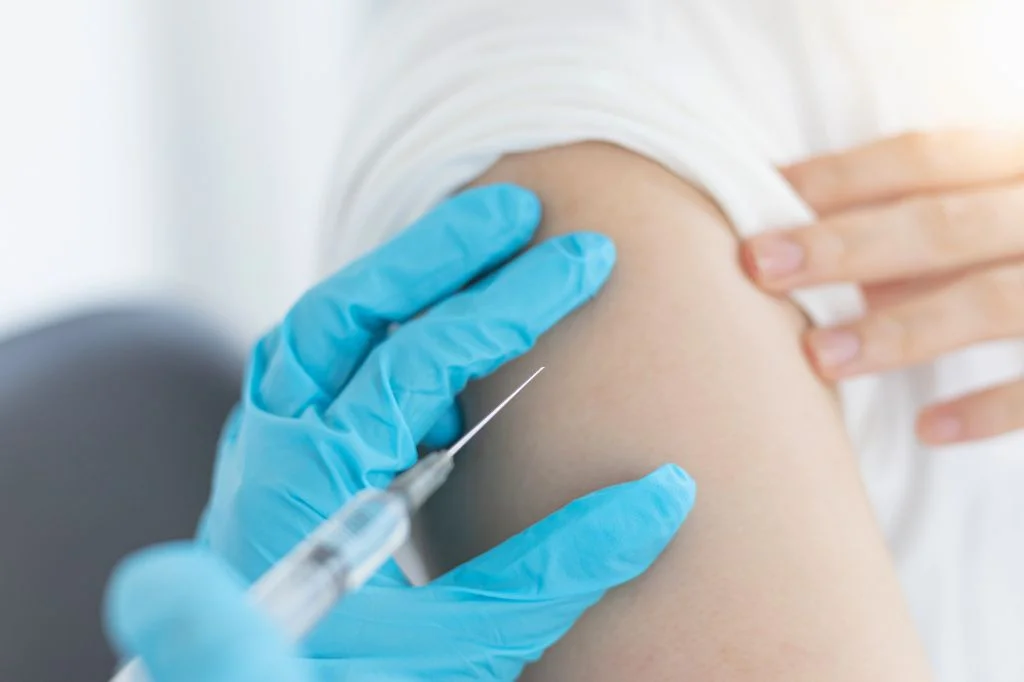
Logistics: Cost, Insurance, and Home Visits
We believe that safety should be accessible and transparent. Whether you are worried about the rabies vaccine cost or logistics, we have you covered. Most travel insurance policies cover animal bites as medical emergencies, and we provide all necessary medical reports to help you claim reimbursement.
We also offer flexible service options to suit your needs:
- Transparent Pricing: We offer clear pricing for our vaccine and wound care services.
- 24-Hour Doctor on Call: If you are bitten late at night, our team is ready to assist.
- Home Visit Service: Too traumatized to leave your villa? We can bring the vaccine to you anywhere in Canggu and Seminyak.
Conclusion
Bali is a wonderful place to live and travel. Do not let the fear of rabies ruin your experience. The key is simply awareness and speed. Avoid contact with stray animals, and if an accident happens, know that world-class medical care is just a phone call away. At Hydro Medical, we are open 24/7 to ensure that a simple bite remains just a medical inconvenience, not a life-threatening tragedy.
EMERGENCY? DON’T GUESS, GET TREATED.
Whether it’s a scratch from a cat or a bite from a dog, time is critical. Hydro Medical offers comprehensive Rabies Vaccination (PEP), HRIG, and Wound Care 24/7.
Frequently Asked Questions (FAQ)
Is rabies common in Bali?
Yes, rabies is endemic in Bali. However, the risk for tourists is manageable. Avoid direct contact with stray animals, especially in high-density areas like Canggu and Ubud, to stay safe.
Do I need a rabies vaccine for Bali?
Pre-exposure vaccination (PrEP) is recommended for long-term travelers and children. If you travel without it, Hydro Medical offers immediate Post-Exposure Prophylaxis (PEP) if an incident occurs.
What is the chance of getting rabies in Bali?
While the statistical chance is low, the disease is 100% fatal. Therefore, you must treat any bite, scratch, or lick on broken skin as a confirmed exposure and seek medical help immediately.
What happens if a dog bites you in Bali?
You must immediately wash the wound vigorously with soap and running water for 15 minutes, apply antiseptic, and then go straight to a clinic like Hydro Medical for professional wound care and vaccination.
Is 48 hours too late for rabies vaccine?
Ideally, get treated within 24 hours. However, it is never too late to start the vaccine series as long as symptoms have not appeared. Seek emergency help immediately.
How much is a rabies shot in Bali?
Costs vary depending on whether you need just the vaccine or also Immunoglobulin (HRIG). Contact Hydro Medical for a transparent price list and assistance with insurance claims.
Is there a red zone in Bali for rabies?
“Red zones” often refer to areas with high stray dog populations like Ubud and parts of Canggu. Always exercise caution with stray animals in these areas.
Do cats have rabies in Bali?
Yes. Cats and monkeys can also transmit rabies. A deep scratch from a cat requires the exact same emergency medical protocol as a dog bite.
Can I get the anti-rabies vaccine after 7 days?
Yes. Because the incubation period varies, vaccination is still critical and effective even if treatment is delayed. Do not wait any longer.
Is it okay to go to Bali without vaccination?
Yes. Many tourists visit safely without PrEP. The key is vigilance and knowing that Hydro Medical is available 24/7 for emergency vaccines if an accident happens.