
You were bitten weeks ago, the wound has healed, but now you feel feverish or notice a strange tingling sensation. A terrifying question arises: “Is this rabies?” The hard truth is that rabies in Bali is 100% fatal once symptoms appear. However, recognizing the early signs—which often mimic common illnesses—and acting immediately can still save your life .

The Timeline: When Do Symptoms Appear?
Unlike a snake bite, the rabies virus travels slowly along nerves, creating a “silent” window known as the incubation period.
Symptoms typically begin 1 to 3 months after the bite, though this can range from a week to over a year depending on the bite location. This silence is your golden opportunity: it is the critical window where rabies vaccination (Post-Exposure Prophylaxis) can still intercept the virus before it causes permanent damage.
The First Red Flag: Prickling at the Wound Site
If there is one specific symptom that should trigger an immediate emergency response, it is paresthesia at the site of the bite. While the wound itself may have healed weeks ago, you might suddenly feel a prickling “pins and needles” sensation, unexplained itching, or burning inside the skin.
This happens because the virus is replicating in the local nerves. If you experience this sensation combined with a history of an animal bite, do not waste time wondering if you followed the immediate steps after a bite correctly—get to a hospital immediately.
General “Flu-Like” Symptoms
Before dramatic neurological signs appear, rabies starts deceptively mild. Early symptoms include fever, severe headache, and extreme fatigue—signs easily mistaken for Bali Belly symptoms or the flu. The critical difference is your history: if you have any recent animal interaction and haven’t been vaccinated, do not dismiss these signs as simple sickness. It is a potential medical emergency.
The Advanced Stages
Once the virus reaches the brain, the disease progresses rapidly. While it is usually too late for treatment at this stage, understanding these signs is vital for awareness.
Furious Rabies
This is the classic form, characterized by hyperactivity, confusion, and Hydrophobia (fear of water). This isn’t a fear of water itself, but intense, painful throat spasms when trying to swallow, leading to panic at the sight of liquid.
Paralytic Rabies
Accounting for about 20% of cases, this form is less dramatic and often misdiagnosed because it lacks the aggressive signs. Instead, muscles slowly become paralyzed, usually starting at the bite wound and spreading gradually. The patient eventually slips into a coma and passes away without exhibiting the hydrophobia or hyperactivity seen in the furious form.
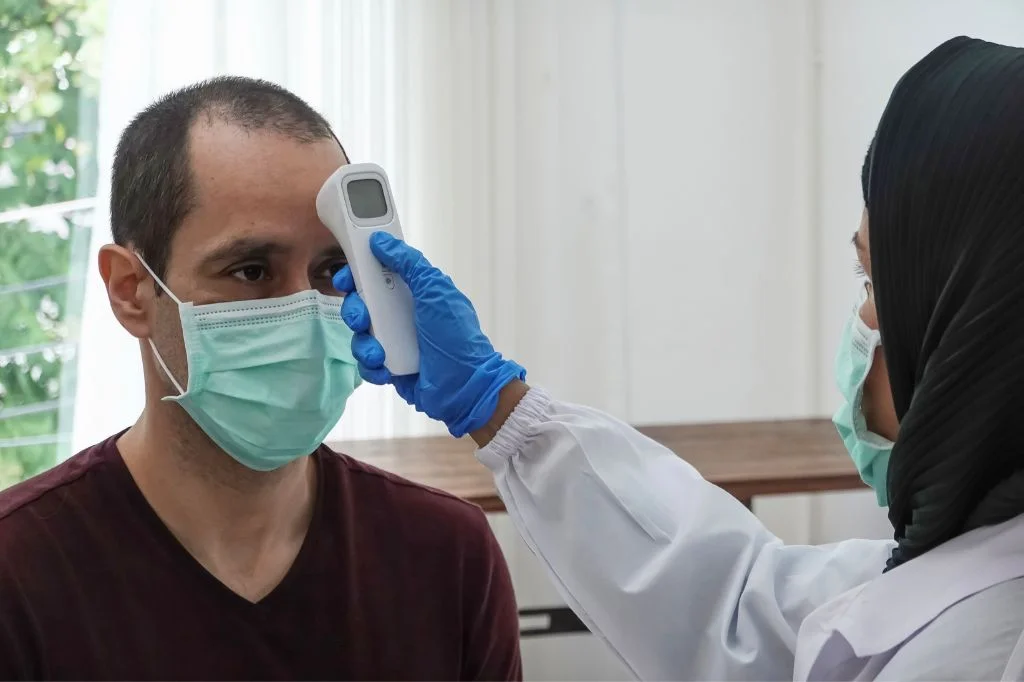
Is It Rabies or Just Anxiety?
The fear of rabies can be so intense that it creates physical symptoms. We often see patients experiencing “Phantom Rabies”—a psychosomatic condition where extreme stress causes a lump in the throat (globus sensation). While knowing how common rabies is in Bali helps assess statistical risk, do not diagnose yourself. A medical professional at Hydro Medical can distinguish between panic-induced symptoms and genuine neurological signs.
Conclusion
The window to treat rabies remains open right up until the moment symptoms start. If you are reading this and wondering if your headache is related to that dog nip last month, stop guessing. Visit Hydro Medical Clinic immediately for an assessment. We offer transparent information on the rabies vaccine cost so you can focus on what matters most: your survival.
WORRIED ABOUT SYMPTOMS?
Don’t let anxiety take over. If you have been bitten and haven’t been vaccinated, seek medical help immediately.
Frequently Asked Questions (FAQ)
What is the very first specific sign of rabies in humans?
Apart from general fever, the most specific early warning is paresthesia at the wound site. This feels like prickling, itching, or burning inside the healed wound, as the virus affects the local nerves.
How long after a dog bite do symptoms start?
The incubation period typically ranges from 1 to 3 months. However, it can vary from less than one week to more than a year, depending on the distance the virus must travel from the bite site to the brain.
Can rabies be treated once symptoms start?
Sadly, no. Once clinical symptoms (like hydrophobia or paralysis) appear, the disease is virtually 100% fatal. This is why pre-emptive vaccination (PEP) before symptoms start is the only cure
What does “Hydrophobia” actually feel like?
It is not a fear of water itself, but intense, painful throat spasms when trying to swallow liquid. The brain eventually creates a panic response to the sight or sound of water to avoid this pain.
Is fever always a sign of rabies?
Fever is a common prodromal (early) symptom, but it is non-specific. If you have a fever and a history of an animal bite without vaccination, you must treat it as a medical emergency.
Can intense anxiety mimic rabies symptoms?
Yes. Severe anxiety can cause a “lump in the throat” (globus sensation) or difficulty swallowing, which people mistake for hydrophobia. A medical professional can help distinguish between panic and viral symptoms.
Is it too late to get vaccinated if I have a headache?
Go to the doctor immediately. Do not assume it is rabies; a headache can be stress or dehydration. As long as you do not have neurological symptoms, doctors will likely still administer the vaccine protocol to save you.
What is “Paralytic Rabies”?
This is a less dramatic form of the virus (often from bat bites) where muscles slowly become paralyzed starting from the bite site. It causes coma and death without the aggressive “foaming” symptoms.
Does every dog bite result in rabies symptoms?
No. Symptoms only appear if the animal was infected and shedding the virus. However, because you cannot test the animal instantly, you must treat every bite as if it were positive to be safe.
Can I survive if I get the vaccine after symptoms appear?
Historical data suggests it is ineffective once the virus reaches the central nervous system. This emphasizes the critical need to get vaccinated during the incubation period (before you feel sick).