
You were bitten by a dog a week ago. Maybe it was just a small nip, or perhaps you thought the animal looked healthy. But now, you have stumbled upon information about rabies in Bali, and panic is setting in. The question racing through your mind is terrifying: “Is it too late for me?”
Take a deep breath. The answer is NO. Unlike many other infections, rabies has a unique window for treatment. As long as you are not showing symptoms, it is not too late to save your life.

The “It’s Never Too Late” Rule
In the medical management of rabies, there is a golden rule: it is never too late to start the vaccination protocol until clinical symptoms appear. Whether it has been 48 hours, 7 days, or even a month since the incident, the medical advice remains the same: seek rabies vaccination in Bali immediately.
The vaccine is designed to stimulate your immune system to produce antibodies that intercept the virus before it reaches your brain. Do not let the fear of being “too late” stop you from seeking care today.
The Science: Understanding the Incubation Period
To understand why delayed treatment still works, you need to understand how unique the rabies virus is compared to other common infections. It does not spread instantly; it takes a physical journey through your body.
Here is the critical difference in how it moves:
- Standard Infections (e.g., Dengue or Flu): These viruses enter the bloodstream and spread rapidly throughout the body, often causing symptoms within a few days.
- The Rabies Virus: It does not enter the bloodstream. Instead, it enters muscle tissue and must find a nerve ending. Once inside, it literally “crawls” physically along the nerve fibers toward the spinal cord and brain.
This slow “crawl” creates an incubation period that typically ranges from weeks to months. This delay is your lifeline; starting vaccination now allows your immune system to intercept and neutralize the virus before it reaches the brain.
Scenario Breakdown: What to Do
The urgency of your situation depends on how much time has passed, but the action required is always the same. Here is a realistic breakdown of the timeline:
- 48 Hours Late: You are still very close to the ideal window. Your prognosis is excellent, almost statistically identical to how soon you need a rabies shot within the first 24 hours.
- 7 Days Late: While the virus has had time to establish itself at the wound site, it likely hasn’t traveled far. The vaccine is still highly effective.
- 2 Weeks to 1 Month Late: This is a critical time. The virus may be moving, but if you have no symptoms, the door is still open. You need aggressive “catch-up” treatment immediately.
Why You Should Not Wait for Symptoms
The only deadline that matters is the onset of symptoms. Once clinical signs of rabies appear—such as fever, confusion, or hydrophobia (fear of water)—the disease is virtually 100% fatal, and vaccines can no longer help.
This is why you must not wait to see if the animal dies or if your wound heals. A healed wound does not mean the virus is gone; it travels internally. Understanding the symptoms of rabies in dogs is useful for assessing risk, but do not use your own body as a test subject. Stop the clock today by getting vaccinated.
Getting “Catch-Up” Treatment at Hydro Medical
At Hydro Medical, we practice non-judgmental care. We will not lecture you on why you didn’t come sooner; our only priority is ensuring your safety now.Our protocol for delayed treatment often involves the standard vaccine series (Verorab or equivalent) and, crucially, a thorough assessment to see if you need Human Rabies Immunoglobulin (HRIG).
If you still have an open wound or if the bite was severe, we will also perform professional immediate steps after a dog bite like wound irrigation to minimize bacterial load.
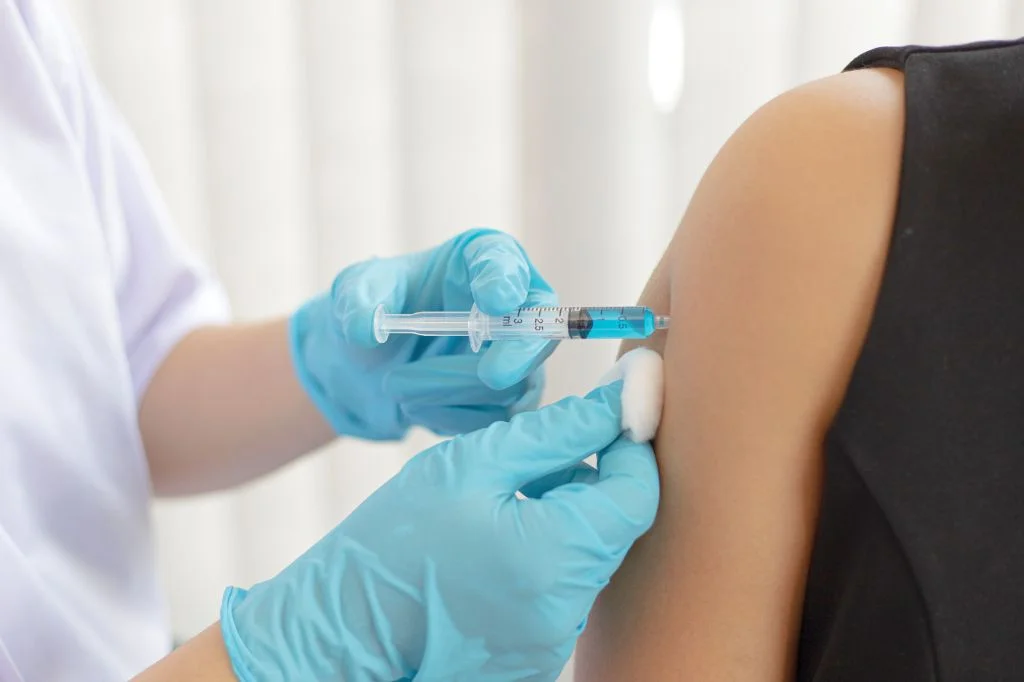
Conclusion
Guilt and panic are not useful, but action is. Do not let the delay paralyze you. The fact that you are reading this means you likely still have time to act. It is always better to be treated late than never. Visit Hydro Medical Clinic immediately—we are open 24/7 to help you restart your safety timeline. For details on the investment for this life-saving care, you can view our rabies vaccine cost information.
LATE IS BETTER THAN NEVER.
If you haven’t been vaccinated yet, do it today. The vaccine can still save your life as long as you have no symptoms.
Frequently Asked Questions (FAQ)
Is it too late to get a rabies vaccine after 7 days?
No. As long as you do not have symptoms (like fever or confusion), the vaccine is still effective. You should start the vaccination series immediately.
Can I take a vaccine after 2 weeks of a dog bite?
Yes. The incubation period for rabies can be long (months). Vaccinating at 2 weeks can still trigger your immune system to intercept the virus before it reaches the brain.
What happens if rabies vaccination is delayed?
The virus has more time to travel towards the nervous system, increasing the risk. However, the Post-Exposure Prophylaxis (PEP) protocol remains the only cure and must be administered as soon as possible.
How long is the incubation period for rabies?
It typically varies from 1 to 3 months but can range from less than a week to more than a year, depending on factors like the bite location and viral load.
Does the vaccine work if the wound has already healed?
Yes. The rabies virus travels internally along the nerve network, not on the skin surface. A healed wound does not indicate that the virus has been eliminated.
Is 48 hours too late for the rabies vaccine?
Absolutely not. While the first 24 hours are ideal, 48 hours is still very early in the incubation timeline. You should get treated immediately.
Why does the bite location matter for timing?
Bites on the face, neck, or hands are closer to the brain or have a denser nerve network, meaning the virus travels faster (shorter incubation period), requiring even faster treatment.
Do I still need Immunoglobulin (HRIG) if I am late?
Usually yes, especially if you have never been vaccinated before. Doctors will assess if neutralizing antibodies (HRIG) are needed systemically to provide immediate protection while the vaccine takes effect.
Can I stop worrying after I get the shot?
Once you complete the full Post-Exposure Prophylaxis (PEP) course prescribed by the doctor, the success rate for preventing rabies is virtually 100%.
Can I get the vaccine even if I don’t remember when I was bitten?
Yes. If you suspect a bite happened but aren’t sure of the exact date, it is always safer to get vaccinated (“better safe than sorry”) than to risk a fatal infection.