
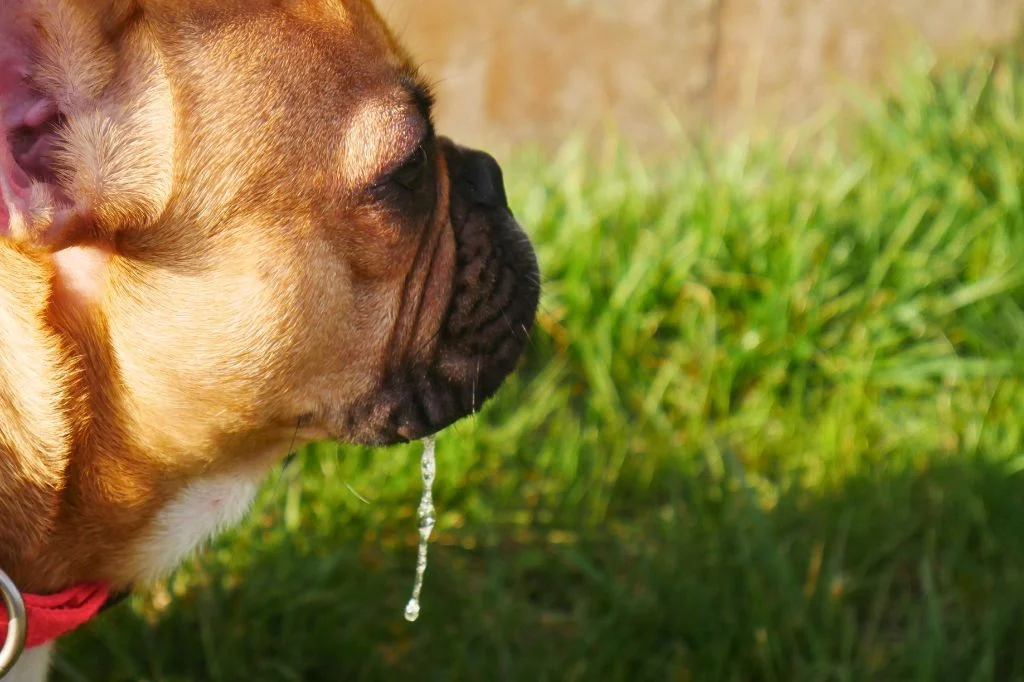
The image of a “rabid dog” usually resembles a movie monster: aggressive, barking, and foaming at the mouth. In Bali, this stereotype is dangerous because it gives tourists a false sense of security. Many visitors unknowingly gamble with their lives by ignoring bites from dogs that appear clean, fat, or friendly. Understanding the reality of rabies in Bali means accepting a hard truth: you cannot diagnose this virus just by looking at the animal.

Myth #1: “It Wasn’t Foaming at the Mouth”
Many people believe that if a dog isn’t foaming, it isn’t rabid. This is a fatal misconception. Foaming, or hypersalivation, is an extreme symptom that often appears only in the final stages of the disease, and sometimes not at all. Many infectious dogs simply look thirsty, have trouble swallowing, or have a slightly hanging jaw. Relying on the presence of foam to determine safety is a mistake; a dog can be fully infectious without showing this “classic” sign.
Myth #2: “The Dog Was Friendly, Not Aggressive”
While we expect rabies to make animals aggressive (“Furious Rabies”), there is a second, equally dangerous form called “Dumb” or “Paralytic” Rabies. Animals with this form do not attack; they become quiet, lethargic, and often unusually tame.
A wild dog seeking cuddles or a “sad” stray cat might be actively infectious. This poses a specific risk for those traveling with kids to Bali, who often try to comfort sick animals. Since this form also affects felines, understanding the risks from cats in Bali is crucial; unusually docile wild animals are major red flags.
Myth #3: “It Looks Healthy, So It Can’t Be Infectious”
Perhaps the most confusing aspect of rabies is “viral shedding.” An animal can shed the virus in its saliva for several days before it starts showing any clinical symptoms of illness. This means a dog could be playing fetch on the beach today, bite you in excitement, and only start looking sick three days later. By the time the dog shows symptoms, the virus has already been in your system for days. Knowing how common rabies is in Bali helps you understand why assuming an animal is “healthy” is a statistical risk you shouldn’t take.
The “10-Day Observation” Rule: Why It Fails in Bali
In many countries, if a pet bites you, the protocol is to observe the animal for 10 to 14 days. If the animal is still alive and healthy after that period, you generally do not need the vaccine.
However, this rule fails in Bali’s tourist hubs. In rabies red zones in Bali like Canggu or Seminyak, stray dogs are mobile and look similar to one another. If a dog bites you and then runs away or disappears into a crowd, you cannot monitor it. In these cases, medical protocol dictates that you must assume the dog was positive for rabies. You cannot wait and hope.
What This Means for You
The takeaway is simple: do not trust your eyes because the physical appearance of the animal is irrelevant to your medical safety. If your skin is broken by a tooth or a claw, you have been exposed and must act immediately. Your response should be practical, not analytical: perform the immediate steps after a bite by washing the wound vigorously for 15 minutes, and then go straight to a clinic for rabies vaccination in Bali.
Conclusion
Rabies is a deceptive virus that hides behind wagging tails and calm demeanors. While appearances can be misleading, vaccines are not. They provide the only certainty in an uncertain situation. If you have had any contact with an animal that breaks the skin, visit Hydro Medical Clinic immediately. We are open 24/7 to ensure a moment of bad luck doesn’t turn into a tragedy.
DON’T GUESS WITH YOUR LIFE.
You cannot diagnose rabies just by looking. If you’ve been bitten, get professional assessment and vaccination immediately.
Frequently Asked Questions (FAQ)
Can a healthy-looking dog transmit rabies?
Yes. An infected dog can shed the virus in its saliva a few days before showing any visible symptoms of illness or aggression.
Do all rabid dogs foam at the mouth?
No. Foaming is a late-stage symptom of “furious” rabies. Many dogs suffer from “dumb” rabies and may just look tired, thirsty, or paralyzed.
What are the first signs of rabies in a dog?
Early signs are often subtle behavior changes: a normally friendly dog becomes shy and retreats, or a normally shy dog becomes overly friendly and clingy.
How long after a bite does a dog show symptoms?
If a dog is infectious at the time of the bite, it will typically become visibly sick or die within 10 to 14 days.
Can I wait to see if the dog dies before getting vaccinated?
Only if the dog is secured and observed by a professional vet. If it is a stray that runs away, you must assume it is rabid and get vaccinated immediately.
What is “Dumb Rabies”?
It is a common form of rabies where the animal becomes paralyzed, lethargic, and quiet instead of aggressive. This form is particularly dangerous because people often try to help the “sick” animal.
Do puppies carry rabies in Bali?
Yes. Puppies born to unvaccinated mothers can carry rabies. Never assume a puppy is safe to touch just because it is young or cute.
Can a vaccinated dog still carry rabies?
It is extremely rare if the vaccination is current and documented. However, unless you have proof (a vet book), you should treat every dog as potentially unvaccinated.
Is water fear (Hydrophobia) a sign in dogs?
Interestingly, hydrophobia is primarily a symptom in humans. Rabid dogs do not fear water; they simply cannot swallow it due to throat paralysis.
Why did the dog bite me unprovoked?
Unprovoked aggression is a classic sign of rabies. However, the dog might also be protecting territory or in pain. Regardless of the reason, you must assume the worst medically and seek treatment.