
When a tourist gets bitten by a dog or scratched by a cat in Bali, the immediate panic is almost always about rabies. While valid, this single-minded focus often obscures two other “silent killers” that are far more common: Tetanus and severe bacterial infection.
Any animal injury, no matter how minor it looks, carries a triple threat that requires comprehensive medical attention. Understanding the difference between these three risks is the key to seeking the right help at Hydro Medical Clinic.
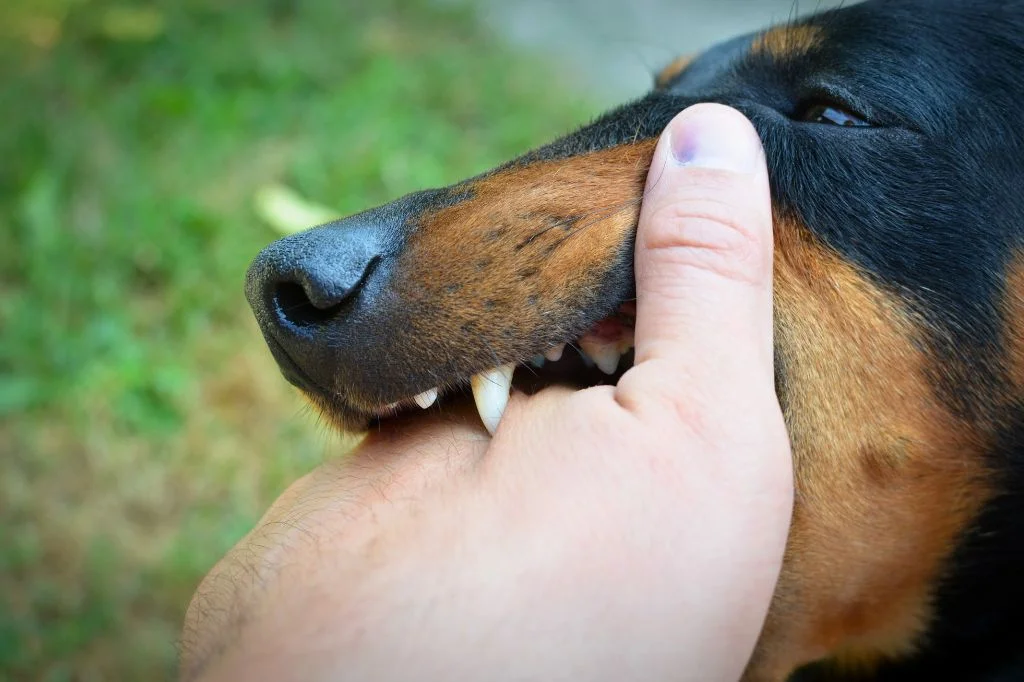
The “Big Bad”: Rabies
Rabies is the most feared of the three because it is neurological and 100% fatal once symptoms appear. The virus attacks the central nervous system, traveling from the bite site to the brain. The danger lies in its incubation period; you might feel fine for weeks or months, but by the time you feel sick, it is too late to save you. This is why immediate understanding of rabies in Bali and getting vaccinated before symptoms start is the only cure.
The “Lockjaw” Threat: Tetanus
While rabies comes from the animal’s saliva, Tetanus is caused by Clostridium tetani, a bacterium found in soil and dust—exactly where dogs sniff and dig. It enters the body through deep puncture wounds, which are typical of animal fangs.
Unlike rabies, tetanus attacks the muscular system, causing painful muscle spasms and “lockjaw” (inability to open the mouth). If your last tetanus booster was more than 5 to 10 years ago, your protection has faded, and a booster shot is mandatory after any animal injury.
The Most Common Risk: Bacterial Infection
While rabies gets the headlines, bacterial infections are what actually send most people to the hospital. The mouths of dogs, cats, and monkey bites in Bali are teeming with bacteria like Pasteurella, Staphylococcus, and Streptococcus. Without professional cleaning, these bacteria can rapidly turn a small scratch into a spreading infection or sepsis (blood poisoning).
According to the NHS guide on animal bites, you must seek immediate medical attention if you observe these warning signs:
- Localized Heat: The skin around the wound feels hot to the touch compared to the rest of your body.
- Swelling and Redness: Inflammation that spreads outward from the bite mark, often accompanied by pain.
- Discharge: Pus or cloudy fluid oozing from the puncture wound.
- Red Streaks: Red lines tracking away from the wound towards the body, which is a critical sign of sepsis.
The “Cocktail” Treatment: Why You Need Comprehensive Care
This is why treating a bite at home with alcohol wipes is insufficient. Effective medical treatment is rarely just one shot; it is a “medical cocktail” designed to stop all three threats simultaneously.
When you visit a clinic, the protocol typically includes:
- Rabies Protocol: Administration of the Vaccine (VAR) and potentially Immunoglobulin (HRIG) to neutralize the virus.
- Tetanus Toxoid: A quick booster shot to reactivate your immunity against lockjaw.
- Antibiotics & Cleaning: Professional animal bite wound care involves high-pressure irrigation to flush out bacteria, often followed by a course of prophylactic antibiotics.
You should never “cherry-pick” your treatment. Skipping the wound cleaning or the tetanus shot because you are only worried about rabies leaves you vulnerable to serious complications.

Conclusion
Do not fall into the trap of looking at a small wound and thinking, “It’s clean, I’m fine.” You cannot see viruses or bacteria with the naked eye. A single visit to the clinic covers you against all three fatal risks. Perform the immediate first aid steps and head to a professional immediately. For transparency on pricing for these treatments, you can check the rabies vaccine cost or contact our team directly.
DON’T RISK INFECTION.
A small bite can lead to big complications like Sepsis or Tetanus. Get comprehensive treatment (Wound Cleaning + Vaccines) at Hydro Medical.
Frequently Asked Questions (FAQ)
Do I need a tetanus shot for a dog bite in Bali?
Yes, absolutely. Dog mouths contain bacteria found in soil, so if your last tetanus booster was over 5-10 years ago, you need a shot immediately to prevent lockjaw.
What are the signs of infection from a dog bite?
Watch for increasing redness, swelling, warmth around the wound, pus, or red streaks spreading from the bite, which indicates the infection is entering your bloodstream.
Is rabies the only risk from animals in Bali?
No, it is not the only risk. Bacterial infections (like Staph or Pasteurella) and Tetanus are actually more common complications than rabies, though rabies is the most fatal if untreated.
Can I get sepsis from a cat scratch?
Yes, you can. “Cat Scratch Fever” or severe bacterial infections can enter the bloodstream through a deep scratch, leading to sepsis if the wound is not cleaned and treated properly.
How soon do infection symptoms appear?
Bacterial infection symptoms can appear rapidly, often within 24 hours. In contrast, Rabies takes weeks to months to show symptoms, while Tetanus typically takes 3 to 21 days.
Do I need antibiotics for a monkey bite?
Almost always. Monkey bites are considered high-risk for severe bacterial infection due to the bacteria in their mouths, so doctors typically prescribe a course of prophylactic antibiotics.
Can I just clean the wound with alcohol and ignore it?
No, surface cleaning is not enough. Alcohol doesn’t reach bacteria injected deep into the tissue by teeth, so you need professional irrigation (flushing) and medical assessment to be safe.
What is the difference between Rabies and Tetanus symptoms?
Rabies primarily affects the brain, causing confusion and hydrophobia. Tetanus affects the muscles, causing stiffness, lockjaw, and painful spasms; both are fatal without treatment.
Does Hydro Medical provide Tetanus shots?
Yes, we do. We provide Tetanus Toxoid boosters alongside Rabies vaccines as part of our comprehensive bite treatment protocol to ensure full protection.
Is a shallow scratch dangerous?
Yes, it can be. Even shallow scratches can transmit Rabies (via saliva on claws) and Tetanus spores, so never judge the medical risk solely by the depth of the wound.