
Landing in Bali after a long-haul flight often leaves your body battling severe stiffness, swollen ankles, and debilitating back aches. True post flight stiffness recovery requires more than just resting; it demands a targeted bio mechanical approach to actively release locked joints and muscle tension. Seeking professional physiotherapy in Bali is the safest way to reset your posture and restore your mobility instantly.
The Science of “Airplane Stiffness”
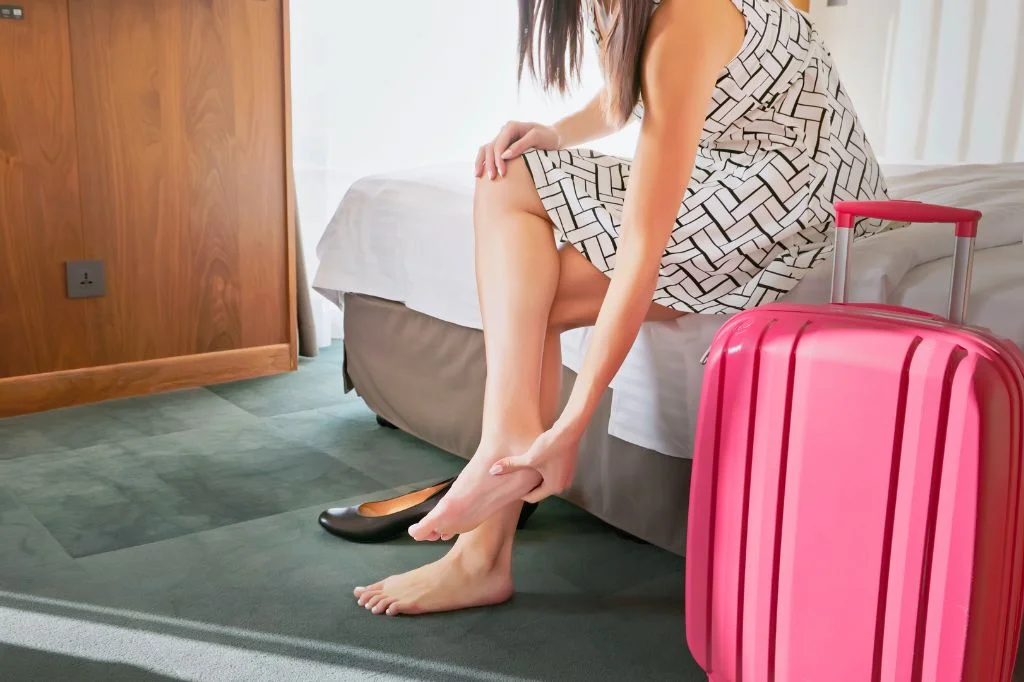
Understanding why your body aches after a flight comes down to basic biomechanics. Sitting in cramped airplane seats for 15 hours or more forces your hip flexors into a shortened, locked position. When you finally stand up, these tight hip flexors pull your pelvis forward into an anterior tilt, which directly causes severe compression and lower back pain.
Furthermore, the lack of normal muscle contraction combined with gravity causes blood and lymphatic fluid to pool in your lower extremities. This stagnant circulation is what leads to swollen legs after flight and the overall long haul flight body pain that makes your first day on the island feel so heavy and uncomfortable.
Red Flag: Normal Stiffness vs. DVT (Deep Vein Thrombosis)
While feeling stiff and puffy is a normal reaction to cabin pressure and immobility, it is crucial to recognize deep vein thrombosis flight symptoms. DVT is a dangerous blood clot that requires immediate emergency medical care.
According to the Mayo Clinic, unlike normal travel stiffness that affects both sides of the body equally, a DVT typically causes severe swelling, redness, and a localized hot sensation in only one leg, accompanied by a sharp, stabbing pain in the calf that does not improve with movement.
3 Fastest Ways to Reset Your Body
Instead of forcing yourself through aggressive stretches that could tear dehydrated tissues, you need a safe and strategic approach to get your joints moving again. Here are three effective techniques to jumpstart your body’s recovery after landing:
- Active Mobility over Static Stretching: Walking lightly on the beach or taking a gentle swim is far more effective at pumping lymphatic fluid out of your legs than forcing static stretches on fragile, dehydrated muscles.
- Targeted Joint Decompression: Perform gentle spinal decompression movements, such as the cat-cow yoga pose, for safe airplane back pain relief and to restore blood flow to your compressed lumbar spine.
- Myofascial Release: Gently use a foam roller or massage ball on your glutes and calves to break up fascial adhesions caused by static sitting, utilizing techniques similar to those used when treating overworked muscles.
How Physiotherapy Accelerates Your Recovery
Clinical intervention goes far beyond what you can achieve with self-stretching in your villa. A professional assessment for tight hip flexors flight stiffness ensures that your recovery is structurally sound and safe.
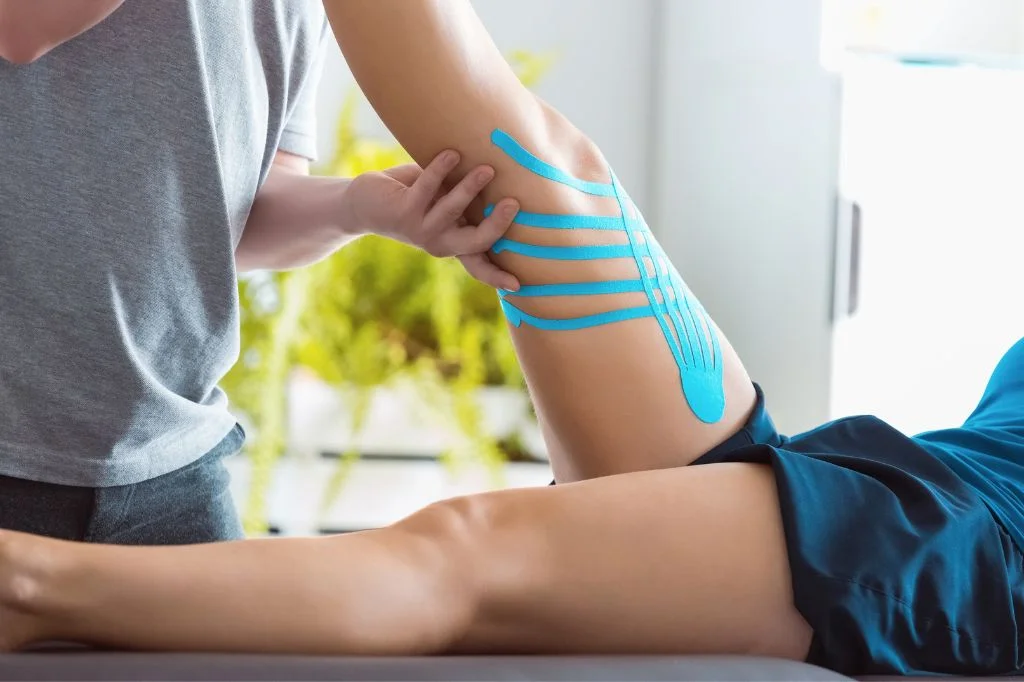
Through expert physiotherapy in Bali, our team can manually release locked pelvic muscles, perform targeted lymphatic drainage to safely clear extreme fluid retention, and correct compensatory posture habits. This prevents minor travel stiffness from turning into a severe injury when you hit the surf or start exploring the island.
Conclusion
Do not let the first few days of your Bali holiday go to waste because of muscle aches and restricted mobility from a long flight. By recognizing the difference between normal stiffness and serious conditions, and seeking targeted clinical recovery, your body will adapt and heal much faster. Reclaim your range of motion with Hydro Medical and enjoy everything Bali has to offer completely pain-free.
STOP THE POST-FLIGHT PAIN. RESTORE YOUR MOBILITY.
Don’t let a 15-hour flight dictate your holiday. Our expert physiotherapists specialize in biomechanical recovery, releasing locked muscles, and safely flushing post-flight fluid retention.
Frequently Asked Questions (FAQ)
Why do my lower back and hips hurt so much after flying to Bali?
Sitting in cramped airplane seats forces your hip flexor muscles into a shortened, tightened position for hours. When you finally stand up, these tight hips pull aggressively on your lower back, causing severe stiffness and pain.
How long should post-flight muscle stiffness last?
Normal post-flight stiffness and mild swelling should naturally subside within 24 to 48 hours once you resume normal walking. If it persists, a biomechanical assessment from a physiotherapist is highly recommended.
Should I force myself to stretch my stiff back immediately?
No. Aggressive static stretching on cold, dehydrated muscles that have been locked in one position for 15 hours can cause micro-tears. Active mobility (like light walking) is much safer initially.
Is a traditional Balinese massage good for post-flight stiffness?
While relaxing, a traditional massage might not address the specific joint compression or shortened ligaments caused by flying. Clinical physiotherapy targets the exact structural issues to restore proper range of motion.
How can I tell the difference between normal airplane stiffness and DVT (a blood clot)?
Normal stiffness affects both legs. A blood clot (DVT) typically occurs in just one leg, causing sharp, stabbing pain, localized redness, extreme swelling, and feels hot to the touch. This requires immediate emergency medical attention.
Why are my ankles and feet so swollen after the flight?
Prolonged immobility causes blood and lymphatic fluid to pool in your lower legs due to gravity. The lack of muscle contraction (which normally pumps fluid back up) leads to this fluid retention, known as dependent edema.
Can I go surfing or to the gym on my first day in Bali?
It is risky. Your central nervous system is fatigued, and your joints are decompressed. Engaging in heavy physical activity with locked hip flexors significantly increases your risk of lower back and shoulder injuries.
How does physiotherapy help with post-flight recovery?
A physiotherapist uses manual therapy techniques, targeted joint mobilization, and specific myofascial release to safely elongate shortened muscles, correct pelvic tilt, and improve lymphatic drainage to clear swelling.
Should I use ice or heat for a stiff lower back from flying?
If the muscle feels simply tight and achy, heat can help relax the spasms and encourage blood flow. If there is sharp pain indicating a possible strain, avoid heat and seek professional assessment.
Does Hydro Medical offer physiotherapy for tourists in Bali?
Yes, our specialized physiotherapy team provides comprehensive structural assessments and manual therapy designed to treat travel-induced stiffness, sports injuries, and general mobility issues.