
The rapid expansion of wellness tourism in Bali has led to an explosion of options for those seeking a quick health boost. While a relaxing session might look identical on social media, the clinical standards behind IV therapy in Bali vary drastically between a dedicated medical facility and a casual beauty lounge.
For travelers asking “are IVs in Bali safe?”, understanding the differences in protocol and medical oversight is the first step in ensuring your recovery remains a benefit rather than a risk.
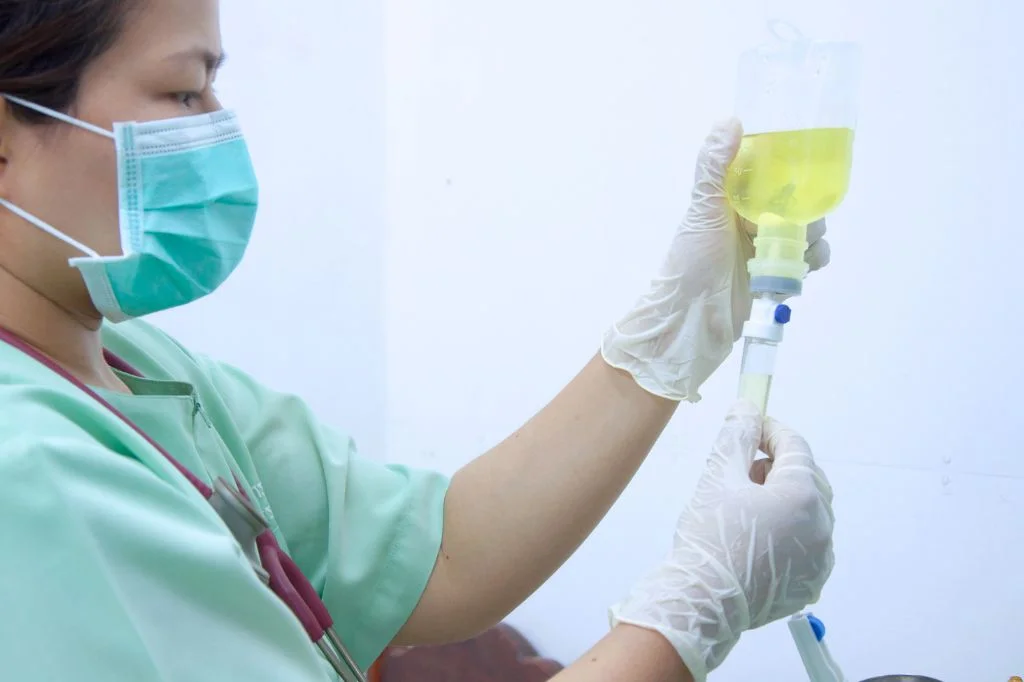
What Defines “Medical Grade” IV Therapy?
Medical-grade IV therapy is treated as a clinical procedure rather than a cosmetic service, prioritizing systemic safety and pharmaceutical precision. This standard begins with the supply chain; medical clinics use high-potency vitamins and minerals that are often “cold-chain” stored to maintain their biological activity.
Furthermore, every infusion is prepared using sterile compounding techniques by licensed healthcare professionals, ensuring that no contaminants enter the bloodstream during the delivery of treatments like the immune booster IV drip.
The Risks of Beauty Lounge “Wellness” Drips
The trend of offering “drips” in non-clinical environments like beauty salons or spas often prioritizes aesthetic appeal over medical necessity. While these lounges may offer a comfortable atmosphere, they frequently lack the rigorous safety infrastructure required for intravenous procedures. Common risks in these settings include:
- Absence of Medical Screening: Administering fluids without reviewing a patient’s medical history can lead to complications, especially regarding undiagnosed heart or kidney sensitivities.
- Non-Sterile Environments: Without a controlled clinical environment, the risk of localized infection at the injection site significantly increases.
- Lower Nutrient Potency: Wellness lounges may use lower-quality nutrient precursors that do not offer the same bioavailability as pharmaceutical-grade ingredients.
Are IVs in Bali Safe? Key Safety Indicators
When choosing a provider, travelers should look for specific medical indicators that prove a facility adheres to international safety standards. According to the Centers for Disease Control and Prevention (CDC), the safety of any invasive procedure depends on strict “Standard Precautions” to prevent infection. Use this checklist to verify your provider:
- On-Site Physician: A licensed doctor must be present to supervise the treatment and handle potential reactions.
- Vital Sign Monitoring: A legitimate clinic will always record your blood pressure, heart rate, and oxygen saturation before starting.
- Cold-Chain Storage: Ensure vitamins are stored in medical refrigerators to maintain their chemical stability and potency.
- Medical Screening: You should be asked about allergies, current medications, and pre-existing heart or kidney conditions.
Why a Doctor’s Consultation is Non-Negotiable
Every human body reacts differently to a sudden influx of fluids and concentrated nutrients. A physician’s role is not just to prescribe the drip, but to ensure your cardiovascular and renal systems can safely handle the infusion volume.
This assessment is critical to determine who should avoid certain infusions and to tailor the treatment—such as atraveler IV drip—to your specific physiological needs. Without this initial screening, even a standard vitamin boost can cause fluid overload or electrolyte imbalances in susceptible individuals.

Conclusion
Your health is the most valuable asset you bring on your journey, and it should never be sacrificed for a lower price or a trendy “vibe.” By choosing clinical excellence over convenience, you ensure that your body receives the scientific benefits of hydration without unnecessary exposure to risk. Prioritizing medical-grade standards withHydro Medical provides the peace of mind that your treatment is handled with the same professionalism and care you would expect in your home country.
CHOOSE SAFETY FIRST
Your health is too valuable to leave to chance. Experience the peace of mind that comes with medical-grade protocols and expert doctor-supervised care during every session.
Frequently Asked Questions (FAQ)
Are IVs in Bali safe for international tourists?
They are safe only when administered in a licensed medical clinic by qualified professionals following strict sterile protocols.
What is the main difference between a clinic and a beauty salon for IVs?
A clinic has licensed doctors on-site, performs rigorous medical screenings, and uses pharmaceutical-grade ingredients.
Do I really need to see a doctor before a vitamin drip?
Yes, a doctor must check your vitals and medical history to ensure your body can safely process the volume of the infusion.
How can I tell if an IV clinic is legitimate?
Look for displayed medical licenses, the presence of a doctor, and whether they record your blood pressure before starting.
What are the risks of a “cheap” IV drip?
Potential risks include infections from poor sterilization, allergic reactions, or fluid overload if heart health isn’t assessed.
Are the ingredients in beauty lounge drips the same?
Not usually; medical clinics utilize high-potency, cold-chain stored vitamins that maintain their full biological effectiveness.
Is vital sign monitoring necessary during the drip?
Yes, a professional clinic will monitor you periodically to ensure your body is responding well to the treatment.
Can I get an IV if I have a pre-existing condition?
This can only be determined by a doctor during a consultation to ensure the infusion is safe for your specific condition.
Why is sterile compounding important for IVs?
It prevents bacteria from entering the IV bag, which is critical since the fluid goes directly into your bloodstream.
Why choose Hydro Medical for safe IV therapy?
We prioritize clinical safety with on-site doctors, rigorous patient screening, and 100% pharmaceutical-grade nutrients.