
Sanur is a paradise for kitesurfing enthusiasts in Bali, offering consistent winds and a vibrant water sports community. However, holding against the extreme power of a kite places immense mechanical stress on your lower back and core muscles. Recognize the early signs of a kitesurfing back injury so you can get the right physiotherapy in Bali before the pain grounds you for the rest of the windy season.
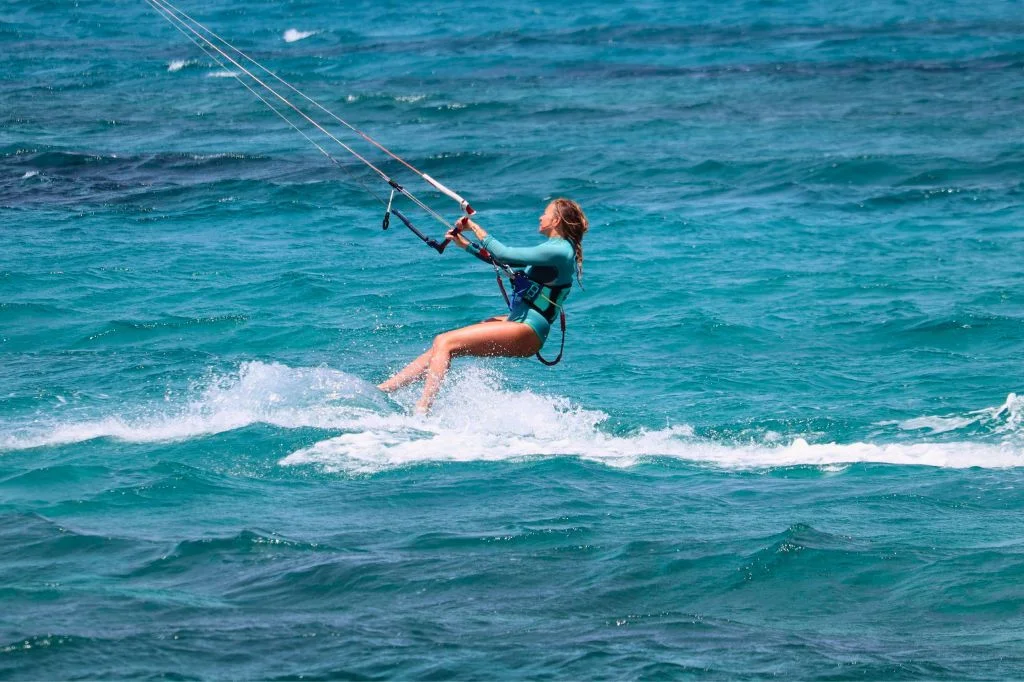
The Mechanics of the Pull: Why Your Back Takes the Hit
When you are out on the water, your waist harness acts as the primary anchor point, transferring the entire pulling force of the kite directly to your lumbar spine and abdominal wall. Every time a gust hits or you perform a jump, your body absorbs that shock.
The sudden twisting and torquing motions required to maneuver the board can easily overload your muscles and spinal discs beyond their natural capacity, making you highly susceptible to a severe lower back strain.
Warning Signs You Shouldn’t Ignore
It is easy to brush off a little soreness after a long session, but structural injuries feel distinctly different from normal muscle fatigue. Pay close attention to these red flags:
- Sharp, Shooting Pain: This is not your typical post-workout soreness. If you feel a sharp, stabbing sensation in your lower back or pain that radiates down into your buttocks and legs, it is a sign of nerve compression or a serious strain.
- Severe Muscle Spasms: If your back muscles suddenly seize or lock up after you return to the beach, making it incredibly painful to stand up straight or bend over, your body is forcefully immobilizing the injured area.
- Core Weakness: Experiencing intense pain or a complete inability to perform simple movements, like sitting up from a lying position, indicates that your core has been structurally compromised.
First Aid for Kiteboarders at the Beach
If you feel a sudden pop or sharp pain while riding, how you handle the next few minutes is critical to your recovery. Take these immediate steps as soon as you get back to the sand:
- Stop Immediately: Do not try to push through the pain for “just one more run.” Just like ignoring sudden knee pain after walking, forcing an injured back to keep working will tear the muscle fibers further and worsen the damage.
- Ice the Area: Apply an ice pack to your lumbar region for 15 to 20 minutes to constrict the blood vessels and reduce acute inflammation. Avoid using heat on a fresh injury.
- Rest Flat: Lie flat on your back with your knees bent and supported by a bag or towel. This position removes the traction and pressure from your lower spine.
The Risk of Pushing Through the Pain
A kitesurfing back injury does not just affect your time on the water; it disrupts your entire body’s biomechanics. When your lower back hurts, you subconsciously alter your posture to avoid the pain. This compensation can trigger a chain reaction of joint issues, similar to the long-term damage caused by poor scooter riding posture around the island.
Furthermore, leaving core weakness untreated means your spine loses its primary stabilization, putting you at a high risk for a herniated disc during your next aerial maneuver.
Recovery and Prevention with Targeted Physiotherapy
Total recovery from an extreme water sports injury requires much more than just resting at your villa. The overworked muscles that spent hours fighting the wind require professional myofascial release and specific rehabilitation to heal correctly.
A targeted physiotherapy assessment will focus on releasing the tight muscle spasms locking your back and implementing clinical core strengthening exercises. This ensures your stabilizing muscles are retrained and resilient, preventing reinjury the next time you strap into your harness.

Conclusion
The wind in Sanur isn’t going anywhere, so you need to make sure your body’s biomechanics are fully prepared to handle it. A kitesurfing back injury is a common setback for many riders, but it is highly recoverable when addressed early with professional physiotherapy. Do not gamble with your mobility and ruin your island holiday; let Hydro Medical restore your muscle strength and get you back to peak performance.
DON’T LET BACK PAIN END YOUR WINDY SEASON.
Whether it is a minor core strain or a severe lower back spasm, our physical therapists can release the tension, fix your biomechanics, and get you back on the board safely.
Frequently Asked Questions (FAQ)
Why does my lower back hurt so much after kitesurfing?
Kitesurfing places enormous torque and traction forces on your lumbar spine and core muscles, especially if you use a waist harness, which directly pulls on your lower back.
Is it normal to have core soreness after a session in Sanur?
Mild muscle soreness (DOMS) in your abs and obliques is normal, but sharp pain or pain that prevents you from sitting up is a sign of a structural muscle strain.
How do I know if my back injury requires physiotherapy?
You should seek a physiotherapy assessment if the pain is sharp, causes muscle spasms that lock your back, alters your walking posture, or does not improve after 48 hours of rest.
Should I use a seat harness instead of a waist harness?
If you have a history of lower back pain, a seat harness is often recommended because it distributes the kite’s pull to your hips and pelvis rather than your vulnerable lumbar spine.
Can I keep kitesurfing if my back is just a little stiff?
It is highly risky. Riding with a stiff back means your core is compromised, increasing the likelihood of a sudden twisting motion causing a severe muscle tear or disc injury.
Should I use heat or ice for my kitesurfing back injury?
In the first 48 hours after a sharp injury or spasm, always use ice to reduce acute inflammation. Heat can be used later to relax tight and overworked muscles.
How does a physiotherapist treat a kitesurfing back injury?
A physiotherapist will use manual therapy to release the tight muscles causing the spasm, realign your posture, and provide targeted exercises to strengthen your deep core to prevent reinjury.
Will an IV drip help with muscle recovery after kitesurfing?
Yes, severe muscle fatigue can be alleviated by staying properly hydrated and receiving essential vitamins through an IV drip, which helps accelerate tissue repair alongside physiotherapy.
Can core weakness cause lower back pain?
Absolutely. Your core acts as a corset that stabilizes your spine. When your core fatigues from kitesurfing, your lower back muscles are forced to overcompensate, leading to spasms and pain.
How long does a lower back strain take to heal?
A mild strain can heal in 1 to 2 weeks with physiotherapy, while a severe injury could take months. A proper clinical assessment is necessary to establish an effective rehabilitation timeline.