
One of the most common debates on travel forums is whether you need a rabies shot before visiting Bali. While it is not a legal entry requirement for Immigration, it remains a critical health decision for your safety. For many travelers, specifically those staying long-term or exploring off the beaten path, understanding the reality of rabies in Bali is the first step toward a worry-free trip.
Understanding PrEP (Pre-Exposure Prophylaxis)
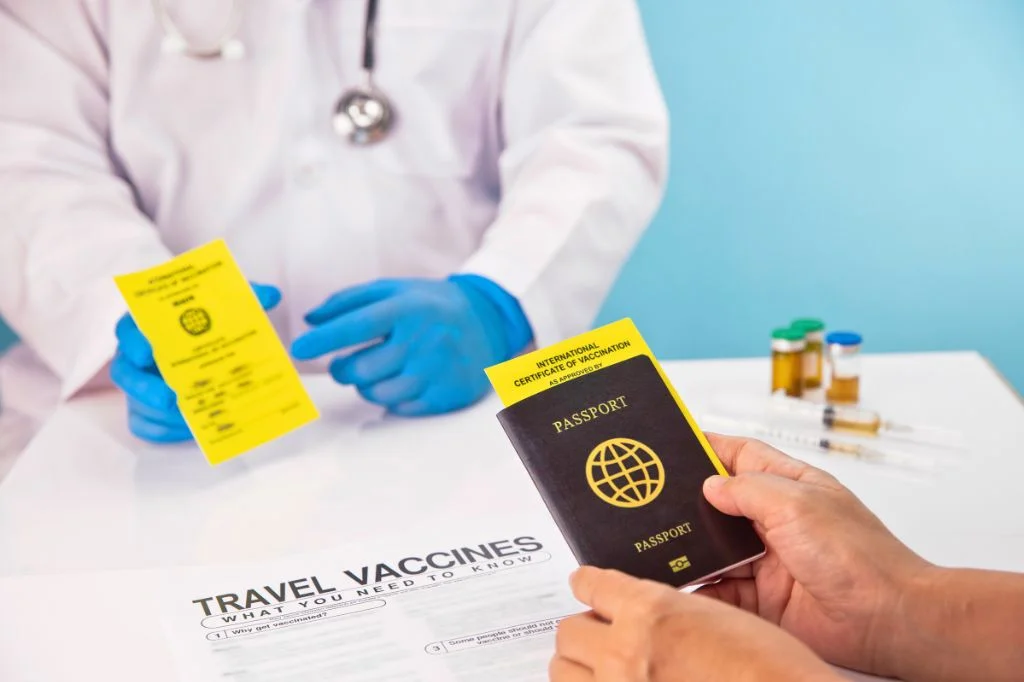
Pre-Exposure Prophylaxis, commonly known as PrEP, involves receiving a series of vaccines before you are ever bitten. Unlike the emergency treatment, this proactive measure prepares your immune system to fight the virus immediately.
According to CDC recommendations for travelers, this is particularly vital for those likely to come into contact with animals or those spending time in rural areas where medical care is limited. The standard schedule typically involves doses given on Day 0 and Day 7, simplifying your safety protocols significantly.
The “Mathematics” of Safety: PrEP vs. No PrEP
The decision often comes down to a simple calculation of risk versus convenience. By investing in PrEP, you are essentially “pre-paying” for a simpler experience during an emergency. Here is how the two scenarios compare if a bite occurs:
Scenario A (Vaccinated/PrEP)
The protocol is incredibly straightforward. You typically require only two booster shots and, crucially, you do not need Human Rabies Immunoglobulin (HRIG). This makes the treatment faster, less painful, and avoids the need for blood-derived products.
Scenario B (Unvaccinated)
The protocol is much more complex. You will need a full course of 4-5 vaccines plus HRIG (Immunoglobulin). HRIG is expensive, calculated based on your body weight, and sometimes harder to source in remote areas. Ultimately, choosing PrEP drastically lowers the unexpected logistical stress and rabies vaccine cost if an accident happens.
Who Should Absolutely Get It? (The “Yes” List)
While short-term beachgoers might skip it, certain profiles should consider PrEP a non-negotiable part of their travel prep to mitigate risks:
- Digital Nomads: If you plan to live in a villa for months, your exposure chances increase simply due to time.
- Families: Traveling with kids to Bali brings unique risks; children often play with animals and may not report a scratch or bite immediately.
- Scooter Riders: Street dogs often chase motorbikes, leading to bites or accidents.
- Rural Explorers: If you are trekking far from the main clinics in Canggu or Seminyak, PrEP buys you valuable time before you reach a hospital.
- Risk Assessors: Anyone concerned about how common is rabies in Bali often finds the peace of mind worth the investment.
If you fit any of these profiles, the vaccine isn’t just an option—it is a critical safety buffer. It removes the panic from the equation, ensuring that even if an animal encounter goes wrong, your path to recovery is simple and assured.

I Didn’t Get Vaccinated Before Arriving. Is It Too Late?
If you have already landed in Bali without the vaccine, do not panic. It is not too late to protect yourself. You can receive your rabies vaccination in Bali at international-standard clinics like ours. This is a common choice for expats who decide to extend their stay. However, if you choose to remain unvaccinated, you must be hyper-vigilant. If a bite occurs, you must know the immediate steps after a dog bite and seek full emergency treatment within 24 hours.
Conclusion
Ultimately, the choice is personal, but vaccines remain the best “insurance” you can buy. Whether you choose to get vaccinated now for peace of mind or rely on emergency treatment later, knowing your options is key. Hydro Medical Clinic is ready to support your decision with world-class care, ensuring your time in paradise remains safe.
PEACE OF MIND STARTS HERE.
Whether you want Pre-Exposure protection (PrEP) or need emergency treatment, our doctors are ready 24/7.
Frequently Asked Questions (FAQ)
Do I need a rabies vaccine for Bali?
It is not a legal entry requirement, but it is highly recommended by medical professionals for long-term travelers, children, and those planning to interact with animals.
Is rabies vaccine mandatory for Bali?
No. Immigration does not check for rabies vaccination. It is a personal health choice, unlike Yellow Fever for certain countries.
What is the difference between PrEP and PEP?
PrEP (Pre-Exposure) is taken before you are bitten to prepare your immune system. PEP (Post-Exposure) is the emergency treatment taken after a bite to prevent the virus from spreading.
Can I get the rabies vaccine in Bali?
Yes. Clinics like Hydro Medical offer both PrEP (preventative) and PEP (emergency) vaccinations using international-standard vaccines.
How many shots is the PrEP schedule?
The standard pre-exposure schedule usually involves 2 to 3 doses given on Day 0 and Day 7 (and sometimes Day 21 or 28), depending on the specific vaccine brand protocols.
Is it safe to go to Bali without a rabies vaccine?
Yes, many tourists do. However, if you are bitten, you must get treated immediately (within 24 hours) with a full course of vaccines and possibly Immunoglobulin (HRIG).
How much is a rabies shot in Bali?
Prices vary, but generally, getting vaccinated in Bali is comparable to or sometimes cheaper than in Western countries. Contact Hydro Medical for a current price list.
What if I got vaccinated years ago?
If you have had the full PrEP series in the past, you are considered “previously immunized.” If bitten, you typically only need 2 booster shots and no Immunoglobulin.
Are there side effects to the rabies vaccine?
Modern vaccines are very safe. Common side effects are mild, such as soreness at the injection site, mild fever, or headache, which usually resolve within 24 hours.
Does travel insurance cover rabies vaccination?
Most travel insurance covers emergency treatment (PEP) after a bite. However, preventative shots (PrEP) are usually an out-of-pocket expense unless you have a specific wellness plan.