
High fever in a tropical environment is frequently dismissed as a severe flu or temporary heat exhaustion, yet in Bali, these symptoms often signal more serious clinical infections. Conditions like Dengue fever and Typhoid are endemic to the region and require precise medical intervention to prevent life-threatening complications. Accessing specialized internal medicine in Bali ensures that acute fevers are diagnosed with laboratory accuracy and managed under expert supervision.
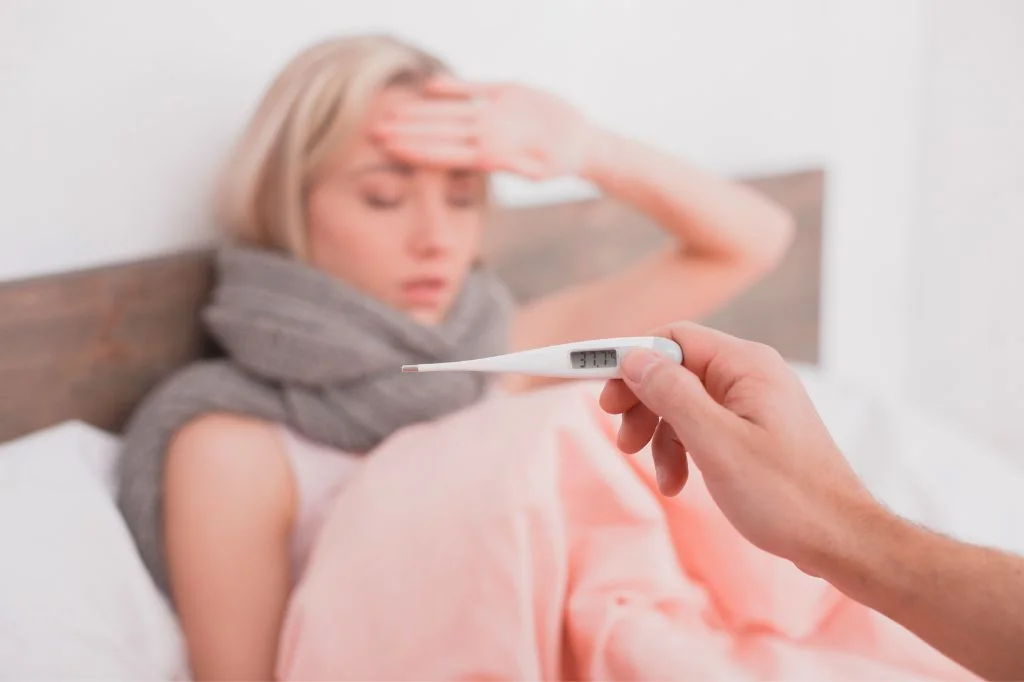
Dengue Fever: Monitoring the Critical Phase
Dengue is a viral infection transmitted by mosquitoes that demands vigilant clinical monitoring, particularly as the initial fever begins to subside. Many patients mistakenly believe they are recovering when their temperature drops, but this often marks the beginning of the “critical phase” where the risk of plasma leakage and internal bleeding is highest.
A specialist internist in Bali closely tracks platelet counts and hematocrit levels to navigate this window safely, providing the necessary medical support to prevent Dengue Shock Syndrome.
Common Symptoms and Hidden Triggers
Tropical infections often share overlapping symptoms, making professional differentiation vital. Our clinical team identifies specific indicators to distinguish between these two common pathogens:
- Dengue Indicators: Sudden onset of high fever (up to 40°C), severe pain behind the eyes, intense joint/muscle aches (breakbone fever), and a distinctive faint rash.
- Typhoid Indicators: A “step-ladder” rise in temperature over several days, extreme lethargy, abdominal tenderness, and sometimes a coated tongue or “rose spots” on the chest.
- The Overlap: Both can cause severe dehydration and systemic inflammation, which is why diagnostic certainty is required to differentiate them from chronic digestive issues or simple food poisoning.
Why Specialist Oversight is Mandatory
Managing tropical infections involves more than just symptom relief; it requires a sophisticated understanding of fluid dynamics and systemic inflammatory responses. At Hydro Medical, our specialists focus on several critical intervention areas:
- Precision Fluid Resuscitation: Maintaining the delicate balance of hydration to support blood pressure without causing fluid overload during the Dengue critical phase.
- Co-Infection Screening: Identifying dual infections, such as a patient suffering from both Dengue and Typhoid simultaneously, which significantly complicates recovery.
- Organ Function Protection: Monitoring the liver and spleen for inflammation, ensuring that the body’s internal filtration systems are not overwhelmed by recurrent infections or existing vulnerabilities.
- Longitudinal Recovery: Integrating your recovery data into your digital medical history to monitor for post-viral fatigue or long-term gastrointestinal sensitivity.
Advanced Diagnostics in Canggu & Seminyak
Rapid diagnosis is the most effective tool in managing tropical fevers before they escalate into emergencies. By incorporating advanced blood panels and infection screenings into our comprehensive medical check-ups, we help expats identify pathogens like Dengue (NS1) or Typhoid (Tubex) within hours.
Our clinics in Canggu and Seminyak are equipped to provide the specialist oversight needed to manage these infections effectively, reducing the likelihood of prolonged hospitalization.

Conclusion
Tropical infections are a manageable reality of island life when addressed with clinical precision and timely specialist care. By choosing a diagnostic-led approach to unexplained fevers, you ensure a safer and more efficient path to recovery. Visit Hydro Medical Clinic today to consult with a specialist and protect your health against the unique challenges of Bali’s tropical environment.
ACT QUICKLY AGAINST TROPICAL FEVERS
High fever in Bali requires immediate professional assessment. Schedule a diagnostic screening with our specialist internist today for a safe recovery.
Frequently Asked Questions
What are the early signs of Dengue?
Sudden high fever, severe headache, pain behind the eyes, and intense joint or muscle pain.
How is Typhoid different from a standard stomach flu?
Typhoid causes a sustained, rising fever and extreme fatigue, often without the immediate vomiting associated with typical flu.
When should I see an internist for a fever?
If your fever exceeds 39°C, lasts more than 48 hours, or is accompanied by severe abdominal pain or a rash.
Can I treat Dengue at home?
While mild cases involve rest and hydration, an internist must monitor your blood counts to ensure you don’t enter the dangerous critical phase.
Is there a vaccine for Typhoid available in Bali?
Yes, Typhoid vaccinations are available and highly recommended for long-term residents and frequent travelers.
Why are platelets so important in Dengue cases?
The virus causes platelets to drop; if they fall too low, the risk of spontaneous internal bleeding increases significantly.
Can I get Dengue and Typhoid at the same time?
Yes, co-infection is a known risk in Bali and requires intensive specialist supervision to manage two different pathogens.
What is the “Critical Phase” of Dengue?
It is the 24–48 hour window after the fever breaks where plasma leakage and circulatory collapse are most likely to occur.
Are antibiotics effective against Dengue?
No, Dengue is viral. Antibiotics are only prescribed if a secondary bacterial infection like Typhoid is also present.
Why choose Hydro Medical for tropical fever care?
We provide rapid on-site diagnostics and specialist-led monitoring tailored to the specific infectious diseases found in Bali.