
Moving between countries is a common reality for many living in Bali, but it often leads to a major health risk: fragmented medical records. Without a unified history, your healthcare providers are essentially working with puzzle pieces, missing the full picture of your health. This is why regular internal medicine consultations in Bali are essential; they provide the continuity you need to ensure safe, effective care wherever you are.
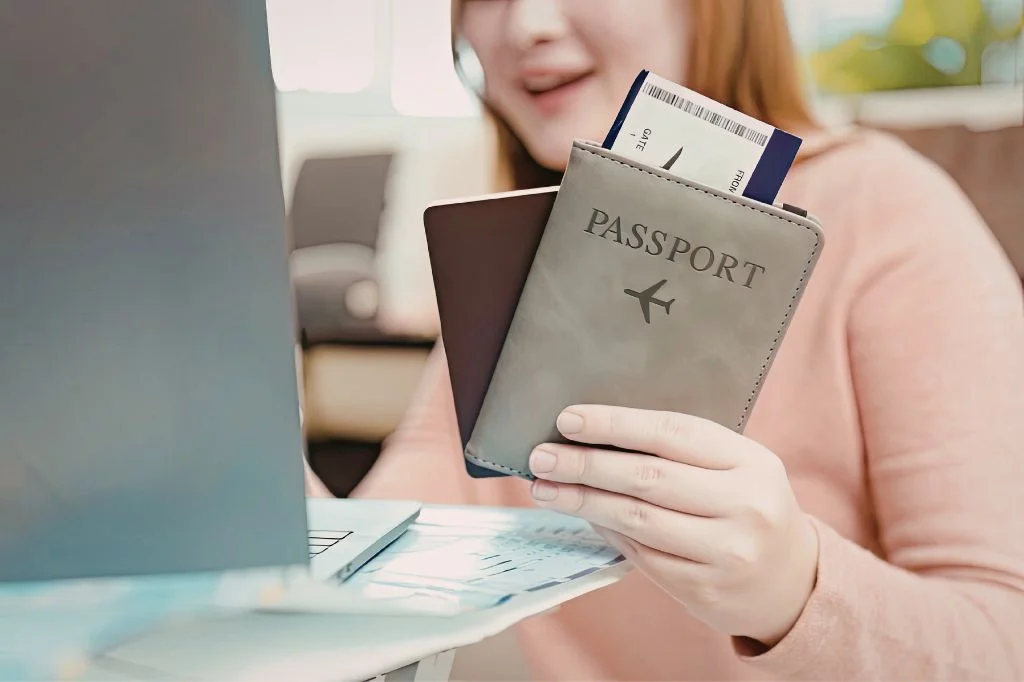
The “Fragmented Health” Trap
When your medical data is scattered across different clinics and digital portals, continuity of care suffers. This fragmentation creates preventable risks, including redundant diagnostic testing, unrecognized drug interactions, and potential misdiagnosis because a previous doctor’s observation was left behind.
Often, these fragmented records contribute to the prevalence of common medical myths, where patients rely on hearsay instead of their own verified history. In a tropical environment, where specific health issues arise, having a clear trail of your past treatments is vital. By keeping your data centralized, you save time, reduce costs, and ensure your current treatment is built upon a solid foundation of past evidence.
What to Include in Your “Health Passport”
Your health record should serve as a portable summary of your medical life. For maximum utility, your record should include:
- Diagnosis History: A clear list of past and current health conditions, surgeries, or chronic illnesses.
- Medication Logs: Names of medications, current dosages, and a list of any known drug or food allergies.
- Diagnostic Reports: Copies of recent lab test results, radiology images, and summaries from previous specialist visits.
- Immunization Records: A verified list of your vaccines, often required for travel or visa applications.
Tips for Managing Your Data
Maintaining your records doesn’t have to be overwhelming. Use these simple steps to stay organized:
- Go Digital: Store your records in a secure, encrypted cloud service to ensure data is backed up and accessible from anywhere.
- Request Copies: After every consultation or laboratory visit, ask the clinic for a digital or physical copy of your results.
- Stay Updated: Keep a simple document detailing emergency contacts and active insurance policy details, and update it annually.
How Your Internist Uses This Data
When you provide a comprehensive record to your internist, you give them the tools to look at your health as a total system. They don’t just treat the symptom appearing today; they analyze your historical patterns—such as blood pressure trends or metabolic markers—to provide proactive solutions.
With your history in hand, your internist can better assess your status regarding tropical hydration or evaluate your metabolic resilience. This data-driven approach is the cornerstone of routine medical screenings, ensuring every recommendation is supported by your unique timeline rather than an educated guess.

Conclusion
Your health is your most valuable asset, and maintaining control over your medical data is the best way to protect it. By organizing your records today, you are empowering yourself to receive the best care possible, no matter where your journey takes you. To start organizing your health profile, you can consult with the medical team at Hydro Medical Clinic.
ORGANIZE YOUR HEALTH JOURNEY
Don’t leave your health history to chance. Let us help you consolidate your medical records and plan your future health strategy.
Frequently Asked Questions
Why should I care about keeping my own medical records?
Records act as your medical history summary. Having them ready ensures that no matter which doctor you visit, they have the full picture to avoid misdiagnosis or redundant tests.
What is the most important thing to keep in my records?
Your list of current medications, known drug allergies, and recent laboratory test results. These three things save lives in emergencies.
Should I keep physical or digital records?
Both. A physical folder is good for immediate access in a clinic, but digital copies (stored on a secure cloud) are essential for backup when you are traveling.
Can Hydro Medical help me organize my health data?
Yes, our internists can help you consolidate your past findings into a centralized, comprehensive profile so you are always prepared.
Does my internist really need records from years ago?
Yes, even if it seems old, past conditions can provide crucial clues about your current metabolic or systemic health trends.
How can I protect my medical privacy?
Store your digital files in password-protected or encrypted cloud services and always request that your medical data be handled according to strict clinic confidentiality protocols.
Are immunization records really that important?
Yes, especially if you travel frequently or apply for specific insurance/visas that require verified proof of vaccination.
What if I lose my medical records?
Keep a digital backup. If you visit Hydro Medical, we maintain patient files securely, so you can always request a copy of your records from us when needed.
Do I need to share these records with every doctor I see?
It is best practice to show them to any new provider so they understand your background, allergies, and the treatments you have already tried.
Is it safe to share health records via email?
Avoid regular email. Use secure portals or encrypted messaging platforms that your clinic provides to ensure your data stays protected.