
Bali’s street dogs, often called “Kintamani mixes” or simply “Bali Dogs,” are as iconic to the island as its temples. They are everywhere—sleeping on cafe steps, patrolling the beaches, and wandering the roads.
However, a common mistake tourists make is treating them exactly like domesticated pets back home. To stay safe and enjoy your trip, understanding their unique behavior and reading our complete guide to rabies in Bali is essential before you attempt to interact with them.
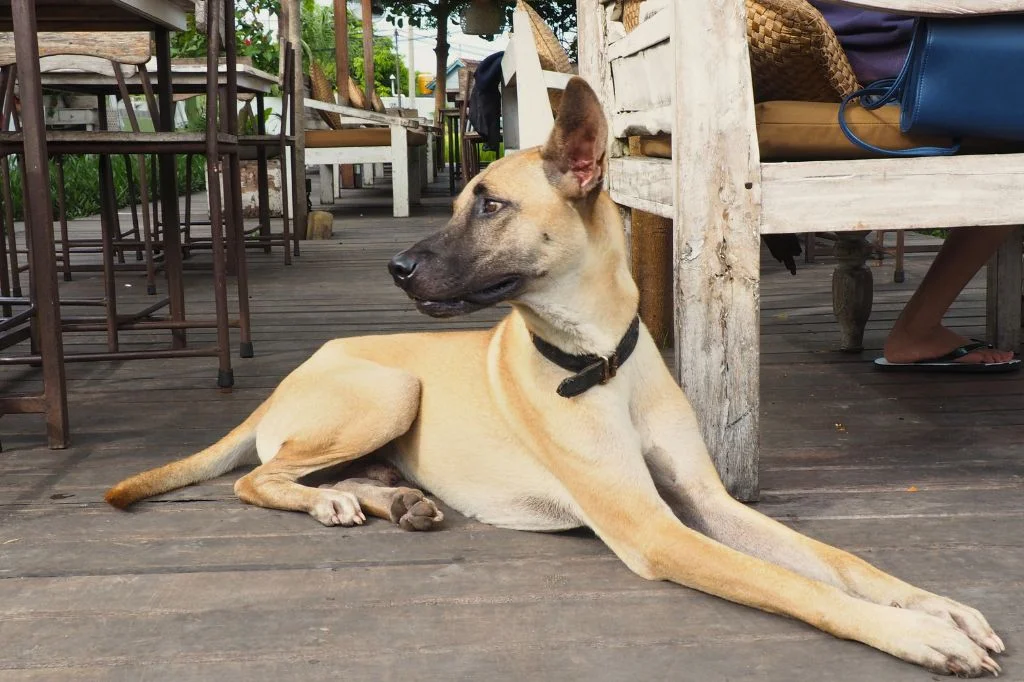
The 3 Types of Dogs You Will Meet
Not all dogs in Bali have the same temperament. If you are exploring the rabies red zones in Canggu, you will likely encounter a mix of three distinct categories. Recognizing which one you are dealing with is the first step in safety.
- The Villa Pet: These usually wear collars, look clean, and walk with an owner (often an expat). While generally safer, never assume they are friendly; always ask the owner before reaching out.
- The Community Dog: These dogs do not have a single owner but are “owned” by the local banjar (neighborhood). They often sleep in front of shops or on the beach. They are territorial and confident but usually calm if you respect their space.
- The True Stray: These dogs are often skinny, suffer from skin conditions, and are skittish around humans. They are the most unpredictable because they often bite out of fear rather than aggression.
Regardless of the category, always err on the side of caution. Even a well-groomed villa pet can bite if startled, so treat every dog with the same level of respect and distance until you are certain it is safe.
Reading the Signs: Tail Wags Aren’t Always Friendly
One of the biggest misconceptions travelers have is that a wagging tail always equals happiness. In the language of Bali dogs, a tail wag simply indicates arousal or excitement—which could be excitement to play, or excitement to attack.
To assess the situation correctly, look at the whole body. A high, stiff wag accompanied by a stiff body posture, ears pinned back, or a “hard stare” (unblinking eye contact) is a clear warning sign. If you see a dog licking its lips repeatedly while you approach, it is signaling stress, not hunger. Understanding how common rabies is in Bali helps reinforce why ignoring these subtle red flags can lead to dangerous consequences.
The “No-Go” Zones: When to Stay Away
Even the friendliest community dog has boundaries. Most bites occur not because the dog is “bad,” but because a human intruded on a critical moment. You should strictly avoid interacting with dogs in these four situations:
- Sleeping: Startling a sleeping dog is one of the most common causes of bites in cafes. Let them rest.
- Eating: Street dogs have limited resources. If you approach them while they eat, they may instinctively defend their food.
- Fighting: Never try to break up a dog fight. You will almost certainly get bitten in the crossfire.
- Mating or Nursing: Mother dogs are fiercely protective. Never approach puppies, no matter how cute they are, if the mother is nearby.
Respecting these boundaries is not just about avoiding a bite; it is about respecting the animal’s survival instincts. Give them space during these vulnerable moments, and they will likely ignore you in return.

What to Do If a Dog Approaches You
If a dog approaches you aggressively or a pack surrounds you, your instinct might be to run. Do not run. Running triggers their prey drive, and they will chase you.
Instead, follow these steps to prevent the dog bites:
- “Be a Tree”: Stop moving completely. Keep your arms folded against your chest.
- No Eye Contact: Look away from the dog (at the ground or to the side). Staring is seen as a challenge.
- Back Away Slowly: Once the dog loses interest, back away slowly without turning your back on them completely.
If the worst happens and you are bitten, you must seek professional animal bite wound care immediately. Do not treat it lightly.
The “Cute” Danger: Cats and Monkeys
While dogs get the most attention, they are not the only animals that require caution. The risks from cats in Bali are frequently underestimated. A stray cat may look harmless, but a scratch can transmit rabies just as effectively as a bite. Similarly, monkeys in tourist areas can be aggressive thieves. The rule of “no touch” applies to every animal on the island.
Conclusion
Coexistence is the key to enjoying Bali. These animals are intelligent and resilient; they deserve respect, but they also require boundaries. Admire them from a distance, and you will likely have no issues. However, accidents can happen even to the most careful travelers. If you are bitten or scratched, perform the immediate steps after a dog bite and visit Hydro Medical Clinic for professional help.
STAY SAFE, BUT BE PREPARED.
Misunderstandings happen. If a dog bites or scratches you, immediate wound care and vaccination are vital. We are open 24/7.
Frequently Asked Questions (FAQ)
Why do Bali dogs bark at foreigners?
They are territorial. Barking is often an alarm signal, not necessarily an attack. Ignore them and keep walking; they usually stop once you leave their zone.
Is it safe to pet stray dogs in Bali?
Generally, no. Even friendly-looking dogs can carry fleas, skin diseases, or react unpredictably. It is safer to admire them from a distance.
What does it mean if a dog wags its tail?
It just means arousal/excitement. A high, stiff wag can mean aggression. Look at the whole body—if it’s stiff, stay away.
Should I feed the stray dogs?
It is kind but risky. Feeding can cause food aggression or make them dependent/aggressive towards others. Leave feeding to established local animal NGOs.
What should I do if a pack of dogs surrounds me?
Stay calm. Do not run. Avoid eye contact. Speak firmly (“No” or “Hus”) and back away slowly. Do not scream or wave your arms.
Are dogs in villas safe?
Not always. Stray dogs often enter open villas. Treat them with the same caution as street dogs and do not try to corner them.
Can I get rabies if a dog licks me?
Yes, if the saliva touches broken skin (a cut, scratch, or mosquito bite). Wash the area immediately and see a doctor.
Why are there so many dogs in Canggu?
They are “Community Dogs.” Locals care for them, and they serve as guards against spirits and intruders. They are part of the ecosystem.
What if I hit a dog with my scooter?
Stop if safe. Prioritize your medical safety first (check for bites/scratches). If the dog is injured, contact a local animal rescue group.
How do I tell if a dog has rabies?
You can’t always tell. Symptoms include excessive drooling, aggression, or paralysis, but animals can shed the virus before showing signs. Assume risk with every bite.