
If you’ve spent real time in the sun here and noticed a mole or spot that wasn’t there before, that’s worth a closer look, not immediate alarm. Our dermatologist in Bali sees this often, especially among travelers and expats who’ve had more sun exposure than usual, and there’s a clear, simple next step from here. This page walks through why it happens and how to know if it’s worth booking a check, no guesswork required.

A New Spot Isn’t Automatically Bad News
Noticing a new mole after a stretch of beach days, pool time, or general sun exposure is common enough that it shouldn’t be treated as an emergency. It’s simply the kind of change worth paying attention to, and the fact that you noticed it at all is a good sign, not a bad one.
Most people who search this are looking for clarity, not confirmation of the worst case, and that’s exactly what a quick check gives you. Noticing early is the advantage here, not something to feel anxious about.
Why Strong Sun Can Trigger New Moles
There’s a real, explainable pattern behind this, not just bad luck, and it comes down to how your skin responds to extended UV exposure over time:
- UV exposure can stimulate the pigment-producing cells in your skin, sometimes prompting new moles to form
- A history of sunburn is one of the recognized factors linked to new mole formation
- Simply spending far more cumulative time in strong, direct sun than most people get at home
None of this means a new mole is dangerous, it just explains why one is more likely to show up here than somewhere with milder sun.
New Moles Mean Something Different in Adulthood
According to the American Academy of Dermatology, most moles actually appear during childhood and the teenage years, not adulthood. That’s part of why a mole showing up new as an adult gets treated differently than one you’ve had since you were young, it’s simply a less common event, and less common events are worth a look. It’s the same instinct behind regular mole checks, just triggered by a single new spot instead of a routine visit.
Most adults already have somewhere between 10 and 40 moles by the time they’re grown, and the large majority of those appeared years earlier. That’s exactly why a new one after adulthood stands out, it’s the exception rather than the rule, not because a single new mole is automatically concerning, but because it’s genuinely uncommon enough to be worth a dedicated look rather than folding it quietly into everything else on your skin.
What Makes This One Worth Checking Sooner
A few signs make a new mole worth checking sooner rather than later, and knowing them takes the guesswork out of deciding when to book:
- It’s growing or changing since you first noticed it
- The border looks uneven, or the color isn’t uniform
- It itches, bleeds, or feels tender
- It looks different from your other moles
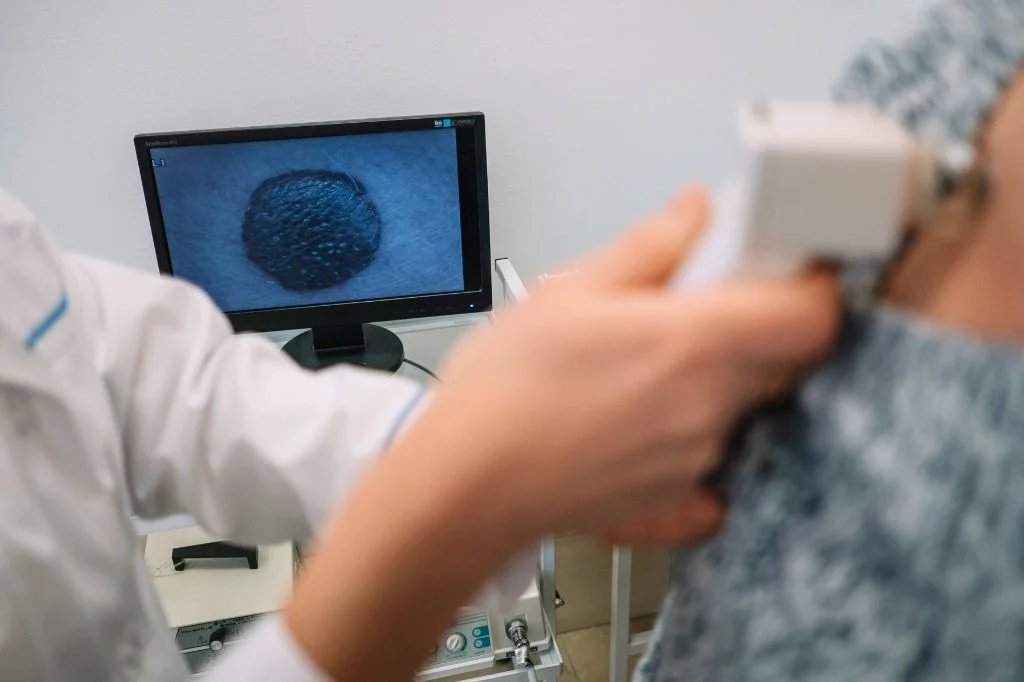
This overlaps closely with the ABCDE rule, and a dermoscopy exam is how a dermatologist actually settles the question, rather than guessing from a glance.
How Hydro Medical Helps
At Hydro Medical, every mole check includes a dermoscopy exam as standard, so you get a clear answer instead of a guess, and our clinics in Canggu, Seminyak, and Kuta make this easy to fit into a trip or daily life here. If this isn’t your first new spot, or you’d simply rather have things tracked over time, a mole mapping appointment builds a record you can return to on future visits.
Frequently Asked Questions (FAQ)
Is it normal to get a new mole as an adult?
It happens, but less often than in childhood, which is exactly why a genuinely new mole in adulthood is worth a look rather than being assumed to be nothing.
Does every new mole after sun exposure mean skin cancer?
No, most new moles turn out to be benign, but a check is still the only way to actually know rather than guess.
How is a new mole different from an existing mole that changed?
Both are worth checking for the same reason, a genuine change in your skin, whether it’s brand new or a mole you’ve had for years looking different now.
I got a bad sunburn, could that be why I have a new mole?
It’s possible, sunburn history is one of the recognized factors, though a check is still the only way to confirm what you’re looking at.
Should I wait and see if it changes before booking a check?
Waiting doesn’t add information, a check now gives you an answer today instead of more time spent watching and wondering.
Can a new mole appear just from tanning, without a burn?
Yes, cumulative UV exposure can play a role even without an obvious burn, which is part of why time in strong sun matters more than any single sunburn.
Will the dermatologist think it’s silly to check just one new spot?
No, a single new spot is one of the most common and reasonable reasons people come in, it’s taken seriously every time.
Is the consultation private?
Yes, every consultation is private.
A quick check turns a new spot into a settled question. Message us and our team can help you book a mole check that fits your schedule.