
HIV. The word itself often carries more fear and misinformation than any other sexually transmitted disease. This guide is designed to replace fear with facts. Modern medicine has completely changed the landscape of HIV. It is no longer a death sentence; it is a highly manageable chronic condition. But the first step is understanding the real risks and modern early detection.

How is HIV Actually Transmitted? (Facts vs. Myths)
Understanding the real risks is the first step to easing panic. The virus is not transmitted through casual, everyday contact.
Real Transmission Risks
HIV is only transmitted through direct contact with specific bodily fluids (blood, semen, vaginal/rectal fluids, breast milk). The primary ways this happens are:
- Unprotected Sexual Contact: This is the most common route. Unprotected anal or vaginal sex with a person who has a detectable viral load. Anal sex carries the highest statistical risk of transmission.
- Sharing Contaminated Needles: Sharing needles, syringes, or other equipment used to inject drugs.
- From Mother to Child: The virus can be passed from mother to baby during pregnancy, childbirth, or breastfeeding, if the mother is not on effective treatment.
How HIV is Not Transmitted
It is crucial to know that HIV is a fragile virus that does not survive long outside the body. You cannot get it from:
- Kissing, hugging, or shaking hands.
- Sharing food, drinks, or cutlery.
- Mosquito bites or other insects.
- Toilet seats.
As for oral sex, the risk is considered extremely low by health authorities, though not zero. However, it is far, far lower than the risk from unprotected anal or vaginal sex.
Early Symptoms: What is Acute Retroviral Syndrome (ARS)?
About 2 to 4 weeks after exposure, some (but not all) people experience a short, flu-like illness called Acute Retroviral Syndrome (ARS). The symptoms are caused by the body’s first response to the infection.
These flu-like symptoms can include:
- Fever
- Severe fatigue
- Swollen lymph nodes (in the neck, armpits, groin)
- Sore throat
- A body rash
This is “The Pretender” trap. These symptoms feel exactly like a bad flu or mononucleosis, and they will go away on their own after 1-2 weeks. You cannot rely on symptoms, especially since some people have no symptoms at all.
The “Window Period”: The Key to Early Detection
This is the most important, actionable part of this guide. The “Window Period” is the critical time between after a potential exposure and when a test can accurately detect the virus.
Why You Must Wait to Test
Testing the day after exposure is useless. The test looks for signs of the virus (antigens) or your body’s response (antibodies), neither of which has had time to develop. A test taken too early will give you a false negative.
The Gold Standard: 4th Generation “Combo” Tests
This is the modern 4th Generation lab test (not a rapid finger-prick test). It is the new standard for early detection. It works by looking for two things:
- Antibodies (your body’s immune response).
- p24 Antigen (a protein from the virus itself).
Because the p24 antigen appears before antibodies, this test can detect an infection much sooner. A 4th Generation “Combo” test is considered 99.9% conclusive at 6 weeks (42 days) after exposure.
What About Rapid Tests?
Rapid tests (3rd Generation) are good, but they only look for antibodies. This means they have a longer window period and are only considered conclusive after 90 days (3 months).
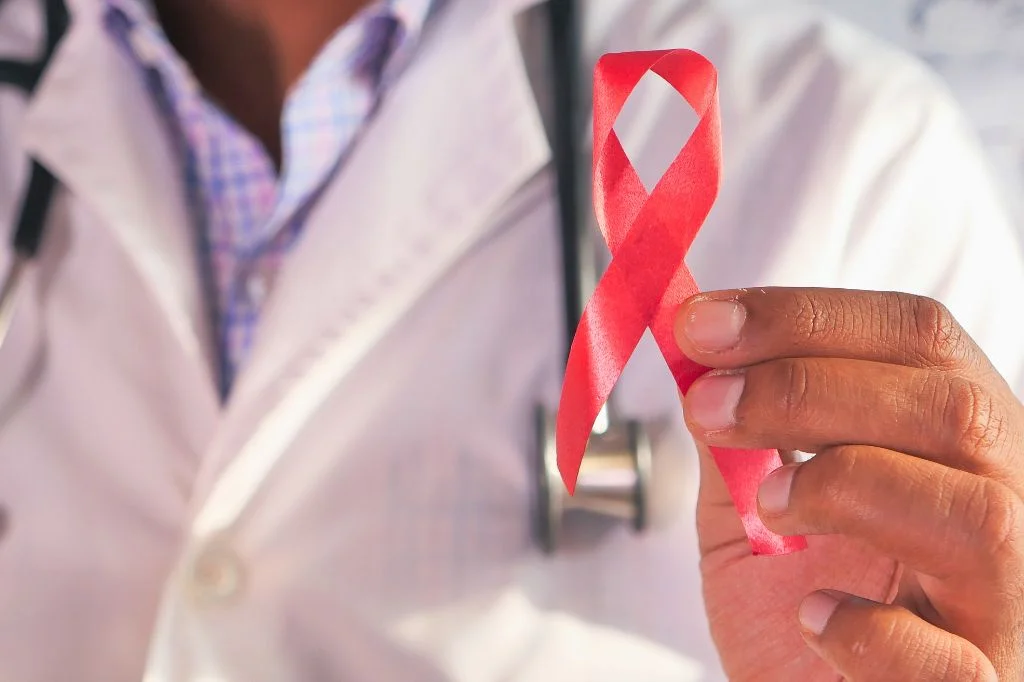
The Good News: Undetectable = Untransmittable (U=U)
This is the most important fact about modern HIV. If a person tests positive, they start treatment (ART), which is highly effective. This treatment suppresses the virus to a level so low it’s called “Undetectable.”
Global health authorities, including the World Health Organization (WHO), confirm the fact: Undetectable = Untransmittable (U=U). As the WHO states, a person with an undetectable viral load cannot transmit HIV to a sexual partner. HIV is now a fully manageable health condition.
Conclusion
HIV is a serious topic, but it is surrounded by myths. The facts are: it is preventable, its symptoms are unreliable, and modern detection is fast and accurate. The only way to know your status is to test. Don’t live with the anxiety of “what if.” Get certainty. Hydro Medical offers modern, 100% confidential 4th Generation HIV testing.
REPLACE FEAR WITH FACTS. GET TESTED.
The anxiety of “not knowing” is worse than the reality. Our clinic provides 100% confidential, modern 4th Generation HIV tests for conclusive results.
Frequently Asked Questions (FAQ)
What is ARS (Acute Retroviral Syndrome)?
ARS is a short, flu-like illness that some people (not all) experience 2-4 weeks after HIV infection. Its symptoms (fever, fatigue, sore throat) are unreliable and disappear on their own, making testing the only way to know your status.
What is the “window period” for an HIV test?
This is the time between exposure and when a test can detect the virus. For the most accurate “4th Generation” lab tests, the window is 6 weeks (42 days) for a conclusive result.
What’s the difference between a 3rd and 4th Generation test?
A 3rd Gen test only looks for antibodies (your body’s response). A 4th Gen test is better because it looks for antibodies and the p24 antigen (part of the virus itself), making it accurate much sooner.
Can I get HIV from oral sex?
The risk is extremely low, but not zero. It is far, far lower than the risk from unprotected anal or vaginal sex, but it is still recommended to use protection.
Can I get HIV from kissing, a toilet seat, or mosquitoes?
Absolutely not. HIV is a fragile virus that does not survive outside the body. It is only transmitted through specific bodily fluids, not through casual contact, saliva, or insects.
I tested negative 3 weeks after exposure. Am I safe?
A 4th Gen test at 3 weeks is a very good indicator, but it is not conclusive. You must re-test at the 6-week (42-day) mark to be 100% certain of your status.
What is U=U?
U=U stands for “Undetectable = Untransmittable.” It is a scientific fact that a person with HIV who is on effective treatment (ART) and has an undetectable viral load cannot transmit the virus to a sexual partner.
Is HIV a death sentence?
No. With modern treatment (ART), HIV is a manageable chronic condition, much like diabetes. People with HIV on treatment can live long, healthy, and completely normal lives.
What’s the difference between HIV and AIDS?
HIV is the virus (Human Immunodeficiency Virus). AIDS is the late-stage condition (Acquired Immunodeficiency Syndrome) that develops only if HIV is left untreated for many years, causing severe immune system damage.
I had a high-risk exposure 3 days ago. What should I do?
You are in the 72-hour window for PEP (Post-Exposure Prophylaxis). You must see a doctor immediately to start this emergency medication.