
Exploring Bali’s world-class dive sites, from the Liberty Wreck to Manta Point, is an exhilarating experience that often leads to “post-dive fatigue.” This heavy lethargy is driven by breathing dry compressed air and the metabolic stress of nitrogen absorption. Utilizing IV therapy in Bali restores your systemic hydration more effectively than water alone, specifically addressing the unique way diving dehydrates your respiratory system.
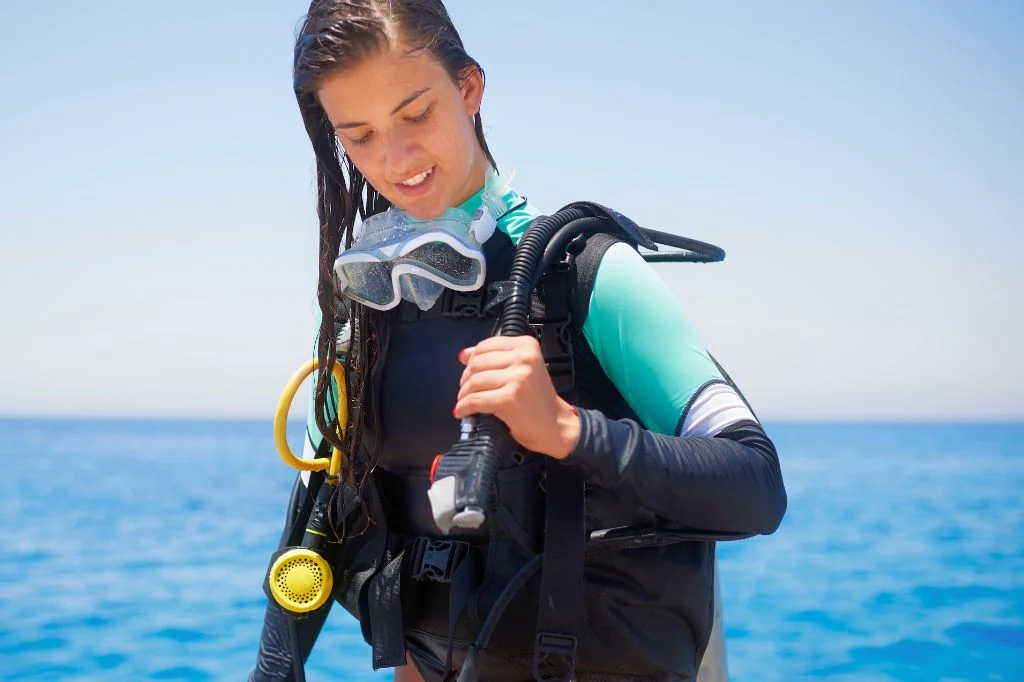
The Silent Dehydrator: Breathing Compressed Air
One of the most overlooked aspects of diving safety is the air inside your scuba tank. To prevent tank corrosion and internal freezing, tank air is filtered to be bone-dry, often reaching 0% humidity. As you breathe, your lungs are forced to humidify every breath you take by drawing moisture directly from your body’s tissues for 45 to 60 minutes underwater.
This continuous fluid “theft” is the primary reason divers surface with intense thirst, a dry throat, and persistent brain fog. Understanding the scientific benefits of hydration is essential because this specific type of respiratory dehydration cannot be solved quickly through drinking water alone.
Nitrogen and Metabolic Stress: Why You Feel Heavy
The physical toll of diving continues even after you are back on the boat, as your body begins the vital process of “off-gassing” excess nitrogen. This process relies heavily on optimal blood circulation to transport nitrogen from your tissues back to the lungs.
When you are dehydrated, your blood becomes more viscous (thicker), which significantly hinders the efficiency of this gas exchange and worsens that “drained” feeling.
When comparing IV drip vs oral supplements, IV therapy is the clinical choice for active divers because it provides 100% bioavailability, allowing your circulatory system to clear metabolic waste and nitrogen far more rapidly.
The Diving Recovery Drip: Restoring Homeostasis
In professional sports medicine, systemic recovery is viewed as a critical safety step to prevent cumulative exhaustion during multi-dive holidays. At Hydro Medical, our specialized IV protocols target the specific physiological strains faced by divers through a focused, three-pronged clinical approach:
- Hyper-Hydration: It rapidly restores plasma volume, which is essential for maintaining efficient blood flow and oxygen transport to fatigued muscles.
- Electrolyte Rebalancing: This process neutralizes mineral imbalances caused by “immersion diuresis” (the body’s natural urge to urinate more when submerged) and thermal stress.
- Antioxidant Support: By delivering high-dose vitamins directly to the bloodstream, it helps neutralize oxidative stress caused by the atmospheric pressure changes experienced during deep descents.
Safety First: Recovery in Your Sanctuary
The most effective way to support nitrogen clearance is to allow the body to rest in a stable, cool environment. By booking a professional IV drip in Bali, you can receive medical-grade rehydration in the comfort of your villa, avoiding the extra heat and physical exertion of Bali’s traffic.
Safety is our ultimate priority; many travelers ask are IVs in Bali safe before their session. We ensure all diving recovery treatments are administered by licensed medical professionals following strict clinical protocols, keeping you fit and ready for your next underwater adventure.

Conclusion
An incredible day under the waves deserves an incredible recovery. Post-dive fatigue doesn’t have to ruin your evening or force you to skip your next day’s descent. Hydro Medical provides the specialized medical solutions needed to help divers regain their vitality and stay ready for the deep.
RECHARGE AFTER THE DEEP.
Finished a long day of diving? Don’t let fatigue keep you on the couch. Our medical team provides professional rehydration at your villa so you’re ready for your next dive.
Frequently Asked Questions (FAQ)
Why am I so tired after scuba diving?
It is usually a combination of dehydration caused by breathing dry tank air, thermal stress from water temperature, and the metabolic energy your body consumes to process nitrogen off-gassing.
Does IV therapy help with nitrogen off-gassing?
While it is not a treatment for decompression sickness, optimal hydration improves blood circulation, which is essential for the efficient transport and clearance of nitrogen from the tissues.
How soon after a dive can I get an IV drip?
You can receive an IV drip immediately after surfacing or once you have returned to your villa or hotel.
Will an IV drip help with post-dive headaches?
Yes. Post-dive headaches are common and are typically caused by severe dehydration or the extreme dryness of the compressed air used in scuba tanks.
Is it safe to have an IV if I’m diving again tomorrow?
Yes, it is highly recommended. Starting your next dive fully hydrated reduces the risk of fatigue-related errors and supports overall diving safety.
Can I get this treatment in Amed or Tulamben?
Yes, Hydro Medical offers mobile services and has multiple locations to serve the most popular diving areas across Bali.
Why is an IV better than just drinking water?
IV therapy provides 100% absorption by bypassing the digestive system, which can be sluggish or less efficient after the physical stress of deep-sea diving.
Does it help with ear or sinus congestion?
While it doesn’t clear ears directly, systemic hydration helps maintain healthy, moist mucous membranes, which can assist in overall respiratory comfort.
Which package is best for divers?
The Traveler Package or Immune Booster are excellent choices as they focus on restoring essential fluids, electrolytes, and high-dose vitamins.
Why choose Hydro Medical for diving recovery?
We are Bali’s leading mobile medical service with experienced professionals who understand the specific physiological and hydration needs of active divers and travelers.