
Catching the perfect wave in Canggu or Uluwatu requires immense upper body strength, making shoulder pain a common complaint among surfers. Many brush off this persistent ache as normal muscle fatigue, unaware it could be an early warning sign of a structural injury that requires professional physiotherapy in Bali. Ignoring these symptoms can lead to chronic damage that keeps you out of the water, making an early assessment essential.
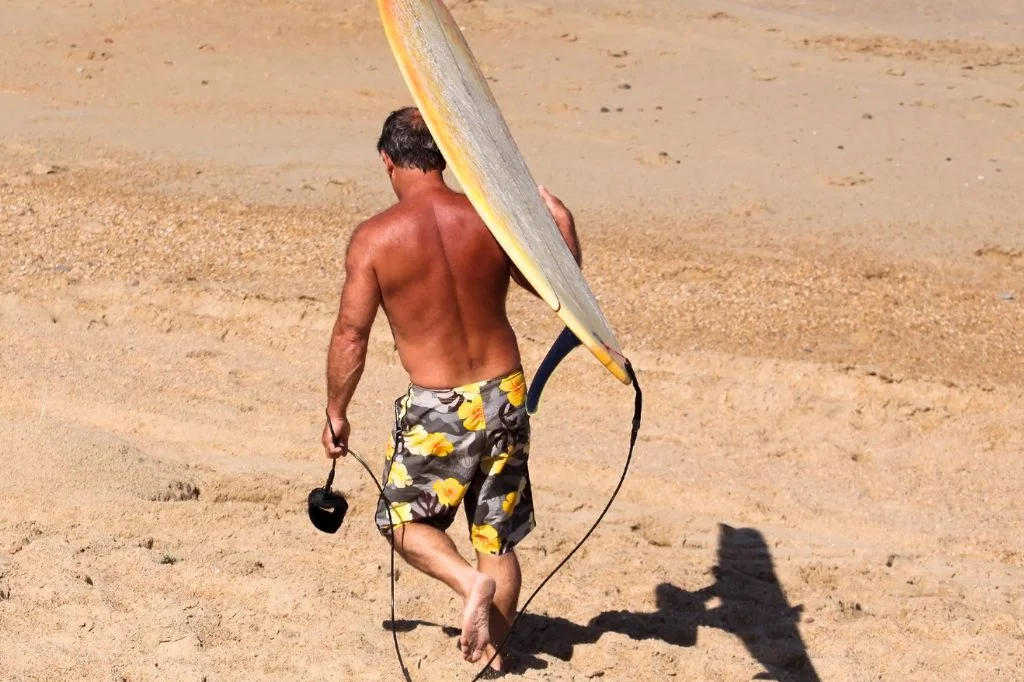
The Physical Demands of Surfing in Bali
Riding the waves at Berawa is exhilarating, but the reality is that surfers spend about 85% of their time in the water just paddling. This constant overhead rotational movement forces your arms to act like propellers, putting an unnatural amount of mechanical stress on your joints.
Over time, this repetitive strain severely overworks your upper body musculature. Without proper rest and biomechanical balance, this repetitive motion leads to chronic tightness, back pain, and severe shoulder tension that can ruin your time in the ocean.
What Exactly is “Surfer’s Shoulder”?
While the term sounds casual, “surfer’s shoulder” refers to a group of very real clinical conditions caused by overusing your upper body. According to Mayo Clinic, rotator cuff injuries frequently occur in people who repeatedly perform overhead motions, causing inflammation and pain over a prolonged period.
The Anatomy of the Injury
At its core, this injury usually involves shoulder impingement syndrome or rotator cuff tendinopathy. Your rotator cuff is a group of four delicate muscles and tendons that stabilize your shoulder joint. When you paddle excessively, the space inside your shoulder narrows, pinching and inflaming these tendons.
The Silent Symptoms
The tricky part about this condition is that it rarely starts with a sudden snap; it creeps up on you quietly. Watch out for silent red flags like a dull ache when lifting your arm above your head, a noticeable “clicking” sensation in the joint, and sudden weakness when paddling against the current.
The Root Causes
Beyond just repetitive paddling, poor posture while sitting on the board and muscle imbalances contribute heavily to the problem. When your back muscles are weak, the smaller shoulder muscles overcompensate, accelerating the wear and tear on your joints.
Normal Soreness vs. Serious Injury
It can be difficult to tell the difference between a great workout and a developing injury. If you are ever unsure, booking general health consultations with a medical professional is always the safest bet.
- Normal Soreness (DOMS): Normal muscle fatigue presents as a generalized, dull ache that typically fades within 24 to 48 hours, leaving your overall range of motion completely unrestricted.
- Warning Signs of Strain: You might feel a lingering stiffness that lasts up to three days, accompanied by a mild pinching sensation or discomfort specifically when you perform overhead reaching movements.
- Serious Injury Red Flags: A structural injury causes sharp, localized pain at the front or top of your shoulder that disrupts your sleep and actively prevents you from reaching overhead without wincing.
Why Rest Isn’t Always Enough
When the pain flares up, most surfers assume that simply staying out of the water for a few days will cure the problem. Unfortunately, resting only calms the temporary inflammation without fixing the root cause.
Taking a break does absolutely nothing to correct the underlying mechanical imbalances, weak tendons, or poor paddling posture. Once you get back on your board, the impingement and pain will inevitably return.
Professional intervention is the only way to permanently break this cycle. A structured program of physiotherapy in Bali provides targeted manual therapy and strengthening protocols to restabilize your joints so you can paddle out with confidence.

Conclusion
Experiencing severe shoulder pain after every surf session should never be accepted as your new normal. Ignoring these early warning signs of a rotator cuff injury will only keep you away from the ocean for much longer than necessary. Reach out to Hydro Medical to address the root cause of your pain so you can safely return to riding Bali’s best waves.
STOP PADDLING THROUGH THE PAIN.
Ignoring shoulder pain can lead to chronic injuries that keep you out of the water for months. Get a professional bio mechanical assessment today and rebuild your strength with our expert physiotherapy team.
Frequently Asked Questions (FAQ)
Is it normal for my shoulders to hurt after surfing?
Mild muscle fatigue is normal, especially if you are a beginner or haven’t surfed in a while. However, sharp pain or pain that restricts your movement is a clear sign of an underlying injury.
What exactly causes a surfer’s shoulder?
It is typically caused by repetitive strain on the rotator cuff muscles from constant paddling, combined with poor posture and muscle imbalances in the upper back.
Should I use ice or heat for my shoulder pain?
If the pain is sharp and acute right after surfing, ice is generally recommended to reduce immediate inflammation. For chronic, stiff aches, heat can help relax the muscles and improve blood flow.
Can I continue surfing if my shoulder hurts?
Continuing to surf through the pain can cause micro-tears in your tendons to worsen, potentially leading to a full muscle tear that requires surgery. It is best to get evaluated first.
How does physiotherapy help with shoulder pain?
A physical therapist will relieve tight muscles through manual therapy and provide specific exercises to strengthen the weaker muscles, correcting the mechanical imbalance causing your pain.
Do I need an X-ray for my shoulder pain?
Not always. A physical therapist can usually diagnose mechanical and muscular issues through a thorough physical examination. If they suspect a severe structural tear, they will refer you for imaging.
How many physiotherapy sessions will I need?
It entirely depends on the severity of the strain. Mild cases might improve with just a few sessions and a home exercise plan, while chronic impingement may require a longer, structured rehabilitation program.
Are the physiotherapists in Bali internationally certified?
Top clinics like Hydro Medical ensure that their physical therapists are highly trained, experienced in sports rehabilitation, and fluent in English for clear communication.
Can a sports massage fix a rotator cuff injury?
While a massage can provide temporary relief from muscle tension, it does not fix the underlying biomechanical imbalances or strengthen the tendons like a structured physiotherapy plan does.
How can I prevent shoulder injuries while surfing?
Always warm up properly before getting into the water, incorporate resistance training for your back and rotator cuffs into your weekly routine, and listen to your body when it signals fatigue.