
Receiving a diagnosis for a Sexually Transmitted Disease (STD) like Herpes (HSV) can feel overwhelming, but the medical reality is far more positive than the stigma suggests. Herpes is simply a manageable skin condition, not a life sentence. With modern antiviral treatments available in Bali, you can live a completely normal life, keep symptoms under control, and significantly reduce the risk of transmission to partners.
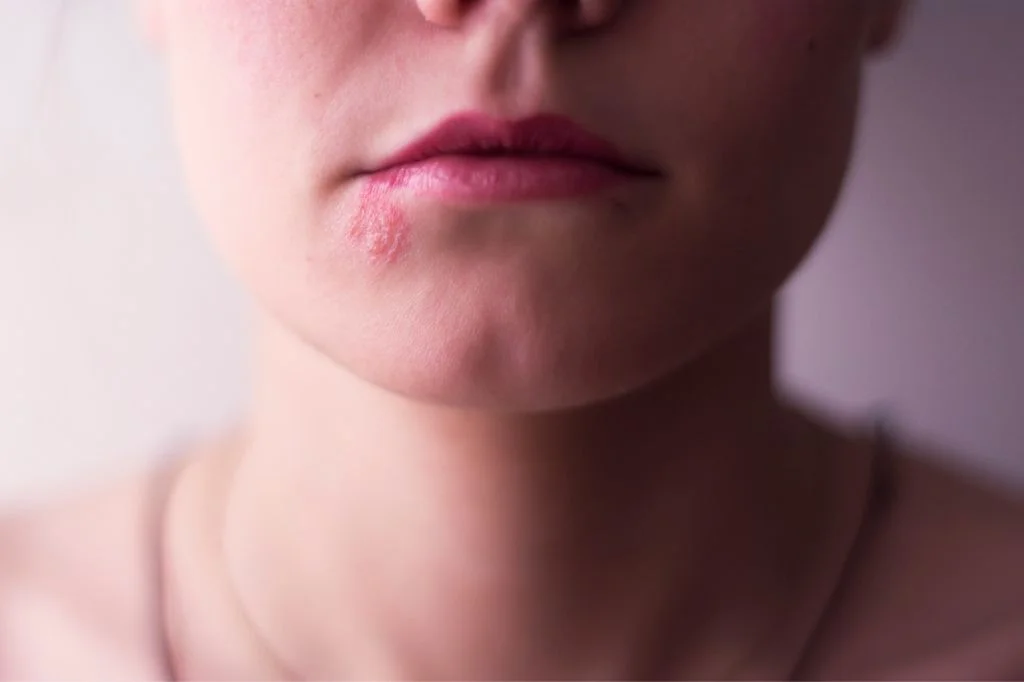
The Two Ways to Treat Herpes: Episodic vs. Suppressive
There is no “one size fits all” approach to Herpes. At Hydro Medical, we offer STD testing and management services tailored to your specific needs. Generally, there are two main strategies for using antiviral medication:
Episodic Therapy (Treating an Outbreak)
This approach involves taking medication only when you feel an outbreak coming on (often signaled by itching or tingling). The goal is to shorten the duration of the sores and reduce severity. This is usually the best choice for people who have very rare outbreaks (e.g., once a year).
Suppressive Therapy (Daily Management)
This involves taking a lower dose of antiviral medication every day, regardless of symptoms. This strategy is highly effective at preventing outbreaks from happening in the first place and can reduce the risk of transmitting the virus to a partner by up to 50%.
The Medications: Acyclovir vs. Valacyclovir
When you consult with a doctor in Bali, you will typically have two main pharmaceutical options. Both are effective, but they differ in convenience.
Acyclovir
This is the standard, time-tested antiviral. It is highly effective at stopping the virus from replicating. However, it has a short half-life in the body, meaning you typically need to take pills 3 to 5 times a day during an outbreak to keep the levels high enough to work.
Valacyclovir (Valtrex)
This is a more modern “prodrug” of Acyclovir. The body absorbs it much more efficiently, which means you can take it less frequently—usually just once or twice a day. Many expats and travelers prefer Valacyclovir for its convenience and ease of use.
Managing an Active Outbreak (Pain Relief)
If you are currently experiencing a painful flare-up, medication is just one part of the solution. Proper self-care can speed up healing. Here are the steps you should take:
- Keep it Clean & Dry: Gently wash the area with water and pat it completely dry. Moisture can prolong the healing process, so keep it as dry as possible.
- Manage the Pain: Use over-the-counter pain relievers or ask your doctor about topical lidocaine creams to numb the area if it is very painful.
- Reduce Friction: Avoid tight clothing or synthetic underwear. Wear loose, cotton fabrics to let the skin breathe and reduce irritation.
Recognizing the early signs is key—you can read more about understanding Herpes symptoms to catch the next outbreak before it fully starts.
Protecting Your Partner
One of the biggest anxieties for patients is the fear of passing the virus to a partner, but this risk can be effectively managed through a multi-layered approach.
The most effective strategy involves using condoms, avoiding sexual contact completely during the “prodrome” phase (when tingling starts), and considering daily Suppressive Therapy to reduce viral shedding.
Open communication is vital, and many couples navigate this successfully by combining honesty with these medical precautions.
The Mental Game: Overcoming the Stigma
For many people, the physical symptoms of Herpes are minor compared to the psychological weight of the diagnosis. Stress is a known trigger for outbreaks, creating a cycle where anxiety about the virus actually causes it to flare up.
It is important to remember that your value is not defined by a common virus. If you are struggling with feelings of shame or isolation, acknowledge them.
We discuss this in detail in our guide on the mental health impact of an STD, because managing your stress levels is just as important as taking your pills.

Conclusion
Herpes does not have to stop your life, your dating, or your happiness. It is a manageable condition with clear medical solutions. Whether you need a prescription for an active outbreak or a long-term management plan, Hydro Medical is here to help you take control of your health confidentially and professionally.
TAKE CONTROL OF YOUR HEALTH.
Don’t let outbreaks control your life. Get effective antiviral prescriptions and a personalized management plan today.
Frequently Asked Questions (FAQ)
Can Herpes be cured?
No, there is no cure yet, but it is highly manageable. Antiviral medication can make outbreaks rare or even non-existent.
Which is better, Acyclovir or Valacyclovir?
Both are effective. Valacyclovir is often preferred because it requires fewer pills per day, making it easier to stick to the schedule.
Can I buy these medications over the counter in Bali?
No. These are prescription medications. You need to consult a doctor to get the correct dosage for your specific needs (episodic vs. suppressive).
How often will I get outbreaks?
It varies wildly. Some people have one and never again; others have monthly outbreaks. Frequency usually decreases over time.
Can I pass Herpes if I don’t have a sore?
Yes, due to “asymptomatic shedding,” though the risk is lower than during an outbreak. Daily suppressive therapy significantly reduces this risk.
What triggers an outbreak?
Common triggers include stress, fatigue, illness, friction/irritation, and sun exposure.
Can I have sex if I have Herpes?
Absolutely. By avoiding sex during outbreaks, using condoms, and considering daily medication, you can have a healthy sex life.
Does Herpes affect fertility?
No. Herpes does not prevent you from getting pregnant. However, you must tell your doctor if you are pregnant, as precautions are needed during delivery.
Can I get Herpes from a toilet seat?
No. The virus dies very quickly outside the body. It requires skin-to-skin contact for transmission.
Do I need to take pills forever?
Not necessarily. Many people take them only during outbreaks. Others take them daily for a period to stop frequent outbreaks, then stop to see if their body’s immunity can handle it.