
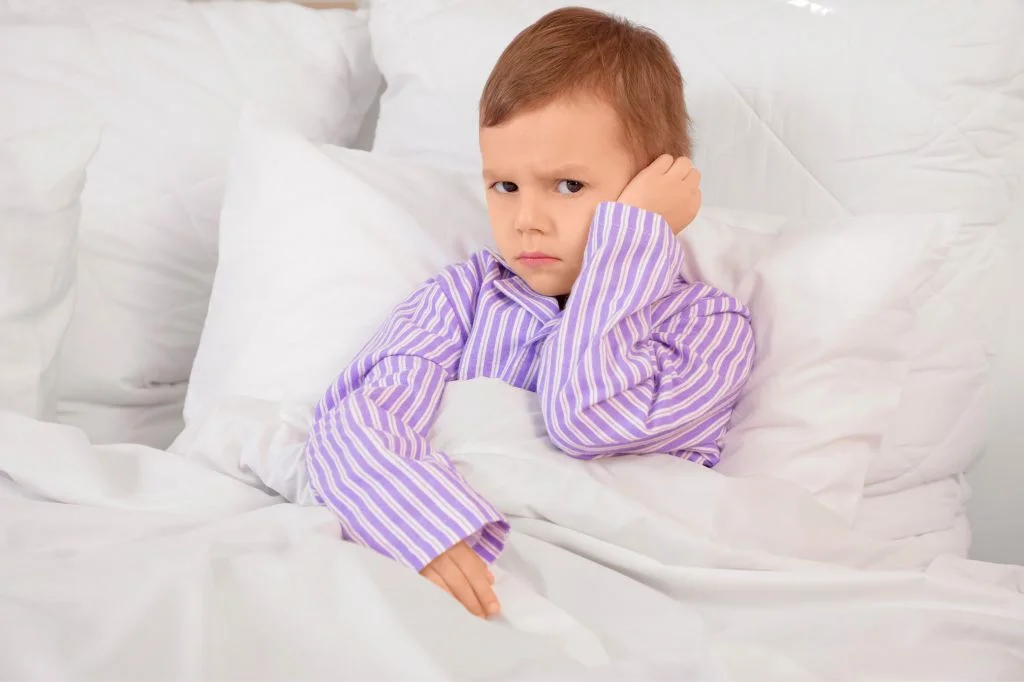
You see your little one tugging at their ear and immediately think, “Oh, it must be teething.” While often true, in Bali’s tropical environment, this gesture is frequently a distress signal for more serious issues like swimmer’s ear or pressure accumulation. Distinguishing between simple growing pains and an infection is vital for your child’s comfort and requires attention to pediatric ENT and general health standards to ensure a safe holiday.
The Confusion: Is It Teething or an Infection?
It is easy to get confused because the nerves in the teeth and gums share the same pathways as the ear. When a tooth pushes through, the pain often radiates upward, causing the baby to rub their ear. However, there are key differences to look for:
- Teething Signs: The child is drooling heavily, wants to chew on everything, and their gums appear swollen. If there is a fever, it is usually very mild (below 38°C).
- Infection Signs: The child is tugging the ear frantically, is inconsolable when lying down, and may have a high fever (above 38°C). Unlike teething, an ear infection often follows a cold or a day at the pool.
Why Kids Are Prone to Ear Issues in Bali
Children are biologically more susceptible to ear issues because their Eustachian tubes (the canals connecting the ear to the throat) are shorter and more horizontal than in adults. This makes it difficult for fluid to drain out and easy for bacteria to travel in.
In Bali, three main holiday triggers exacerbate this anatomy:
- Pool Water: Spending hours in the water can trap bacteria in the ear canal, leading to painful swimmer’s ear (Otitis Externa).
- Flights: The rapid change in cabin altitude can cause “barotrauma,” where pressure from flying blocks the small Eustachian tubes, causing intense pain.
- AC & Colds: Moving between heat and freezing air conditioning often causes nasal congestion in children. This mucus blockage backs up into the ear, creating a breeding ground for bacteria.
Decoding the Signs (When It’s Not Teething)
Since toddlers often cannot say “my ear hurts,” you need to watch for these non-verbal red flags:
- Sleep Disruption: Fluid in the ear shifts when a child lies flat, increasing pressure and pain. If your child screams the moment you put them down for a nap, it is likely an ear issue, not just crankiness.
- Appetite Loss: The motion of sucking (breast or bottle) and chewing changes the pressure in the ear. A hungry child who refuses to eat because it hurts is a classic sign of an ear infection.
- Drainage: If you see yellow, white, or bloody fluid on their pillow or coming from the ear, this is a definitive sign of infection (and possibly a ruptured eardrum). Teething never causes ear drainage.
- Balance Issues: The inner ear controls balance. If your toddler is stumbling more than usual or seems dizzy, the infection may be affecting the vestibular system.
First Aid for Parents (What to Do Tonight)
If your child wakes up screaming in the middle of the night, focus on pain management until you can see a doctor:
- Pain Relief: Administer pediatric Paracetamol or Ibuprofen (ensure the dosage is correct for their weight/age) to help them sleep.
- Elevation: Prop their head up with extra pillows (if they are old enough) to use gravity to help drain the fluid and reduce pressure.
- Keep Dry: Avoid the pool and be careful during bath time to ensure no water enters the ear canal.
When to Visit Hydro Medical
You should seek professional help if your child has a fever over 39°C, if there is pus or discharge coming from the ear, or if the pain persists despite pain medication.
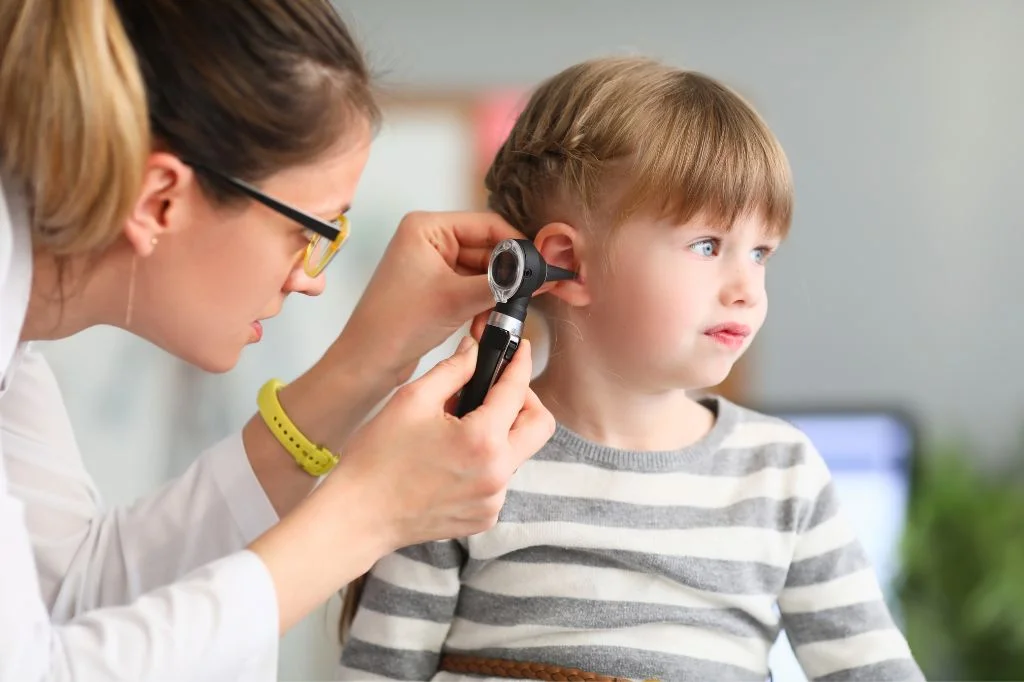
At Hydro Medical, we understand that examining a scared, crying child requires a gentle touch. Our doctors use pediatric-sized equipment to carefully examine the eardrum and determine if the issue is a bacterial infection requiring antibiotics or a viral issue that simply needs pain management.
A proper consultation with a doctor ensures you don’t use the wrong drops, which can sometimes make the condition worse.
Conclusion
A child pulling at their ear is a cry for help that shouldn’t be dismissed as just “teething.” By recognizing the difference and acting quickly, you can save your holiday from being a week of sleepless nights. If you are unsure, bring your little one to Hydro Medical; we are here to help them get back to building sandcastles pain-free.
TODDLER IN TEARS?
Seeing your child in pain is stressful. Get fast, gentle, and kid-friendly pediatric care at Hydro Medical.
Frequently Asked Questions
Can my child swim with an ear infection?
No. It is best to keep the ear dry until the infection clears up completely. Swimming can introduce more bacteria and worsen the pain.
Is ear pulling always an infection?
Not always. Babies also pull their ears when they are teething, tired, or just exploring their bodies. Look for other signs like fever, sleep refusal, or fussiness to confirm infection.
Can I use ear drops for my child?
Only if prescribed by a doctor. If the eardrum is perforated (torn) due to pressure, putting drops inside can damage the middle ear. Always get it checked first.
Why do ear infections happen at night?
Lying down causes fluid in the ear to shift and put more pressure on the sensitive eardrum, which increases pain and makes sleep difficult.
Can air conditioning cause ear infections in kids?
Indirectly, yes. AC can cause nasal congestion or dry out the nose, which blocks the Eustachian tubes and leads to fluid buildup in the ear.
Do all ear infections need antibiotics?
No. Many are viral and heal on their own. Doctors usually wait 24-48 hours or prescribe antibiotics only if it’s bacterial, the child is very young, or the pain is severe.
Is it safe to fly with a child who has an ear infection?
It can be extremely painful due to pressure changes. Consult a doctor before flying; they may recommend pain relief or specific nasal sprays to help open the tubes.
Does Hydro Medical treat infants?
Yes, our medical team is experienced in general pediatric care and can safely examine infants and children.
How can I prevent swimmer’s ear in my child?
Dry their ears thoroughly after swimming. You can also use a soft towel to dry the outer ear.
What if there is pus coming out of the ear?
This usually means the eardrum has ruptured due to pressure. While it sounds scary, it often relieves the pain immediately. However, you must see a doctor to treat the infection and ensure the drum heals correctly.