
Anal itching (pruritus ani) is extremely common, but it’s also extremely stressful. It’s easy to dismiss it as a simple case of hemorrhoids or a hygiene issue, but it can also be the only sign of a serious Sexually Transmitted Disease (STD). Here’s how to tell the difference and what medical steps you must take.

Common Causes of Anal Itching (That Aren’t STDs)
First, it’s important to know that many non-infectious issues can cause these symptoms. The most common culprits include:
- Hemorrhoids and Anal Fissures: These are the most common causes. Symptoms typically include itching, pain, and sometimes bright red blood on the toilet tissue after wiping.
- Fungal Infections (Yeast) or Pinworms: These can cause intense, persistent itching, especially at night.
- Dermatitis or Irritation: This is simply skin irritation caused by harsh soaps, excessive sweat and moisture (common in Bali’s climate), or wiping too hard.
The Red Flag: When It Could Be an STD (Proctitis)
Often, anal symptoms are caused by Proctitis—an inflammation of the lining of the rectum. While it can have several causes, the most common infectious causes of Proctitis are Sexually Transmitted Diseases. According to the CDC, infectious proctitis requires specific medical treatment based on its cause (often an STD), which is why testing is essential.
Gonorrhea or Chlamydia in the Rectum
The #1 red flag for these infections is anal discharge (mucus or pus). You might also feel a ‘fullness’ in the rectum or pain during bowel movements. Critically, just like in other areas, these rectal infections are often completely asymptomatic.
Herpes (HSV-1 or HSV-2)
Anal Herpes often begins with itching or tingling, which is then followed by a cluster of small, painful blisters or sores. It is very frequently misdiagnosed by patients as a simple fissure or a bad case of hemorrhoids.
Syphilis
The primary stage of Syphilis can present as a single, painless sore (called a chancre) in or around the anus. Because this sore doesn’t hurt, it often goes completely unnoticed.
Why You Absolutely Cannot Guess
As you can see, the symptoms overlap. Pain could be a fissure OR Herpes. Itching could be a yeast infection OR chlamydia. Anal discharge, however, is almost always a serious red flag for infection.
This leads to the “Treatment Trap”—the biggest danger. Using an over-the-counter hemorrhoid cream for what is actually a Gonorrhea infection will not work. It only masks the symptoms and allows the infection to get worse, potentially causing permanent damage or being spread to others.
The Only Solution: A Specific Anal/Rectal Test
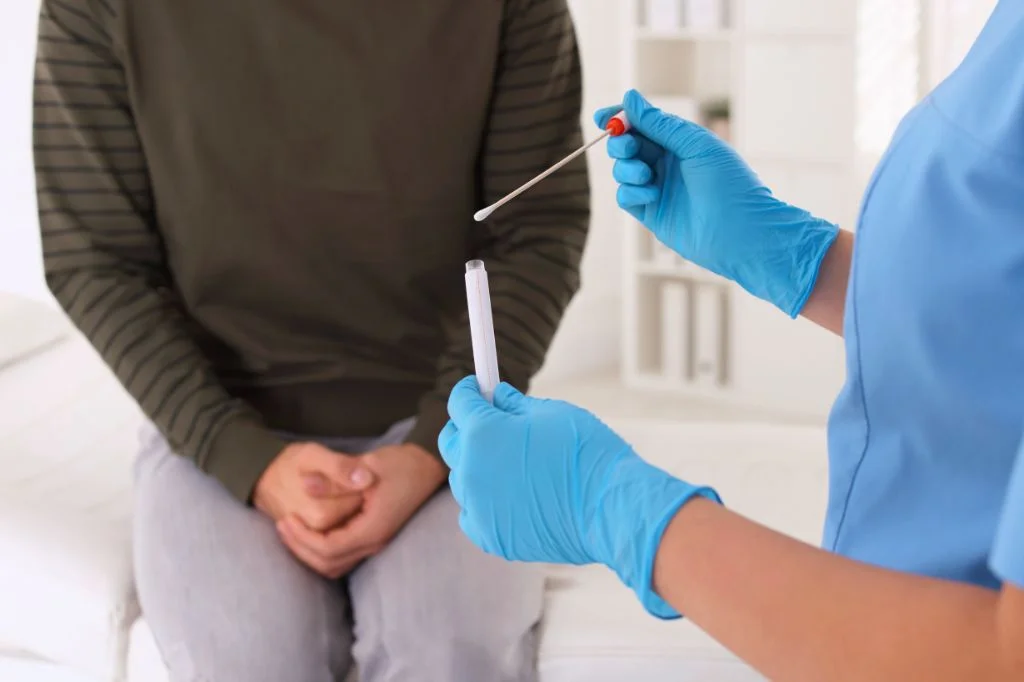
Stop guessing. A doctor cannot tell what it is just by looking. To definitively diagnose a rectal STD, you need a specific test: an anal or rectal swab.
This is the most critical fact to understand: a urine test or blood test cannot find Chlamydia or Gonorrhea in the rectum. If you are concerned about an anal infection, you must have a rectal swab. It’s a simple, fast, and 100% confidential test a doctor can perform.
Conclusion
Don’t let embarrassment or stigma stop you from getting an answer. Anal symptoms are a clear signal from your body to get checked. Whether it’s a simple irritation or a serious sexually transmitted disease, you need the right diagnosis to get the right treatment. Hydro Medical provides completely confidential and non-judgmental testing so you can get an answer and the peace of mind you deserve.
STOP GUESSING. GET ANSWERS.
Anal symptoms are impossible to self-diagnose. Our doctors provide 100% confidential, judgment-free testing to give you peace of mind.
Frequently Asked Questions (FAQ)
What’s the main difference between hemorrhoids and an STD?
Hemorrhoids often cause itching and bright red blood on the toilet paper. STD symptoms, particularly Proctitis (from Gonorrhea/Chlamydia), are more likely to involve a mucus-like or pus-like discharge and a feeling of rectal fullness.
What does anal discharge from an STD look like?
It’s often a yellow or white mucus or pus-like discharge from the rectum. This is a major red flag for Gonorrhea or Chlamydia and requires immediate medical attention.
I’m a woman who doesn’t have anal sex, can I still get an anal STD?
While less common, it is possible. Infections can sometimes spread from the vaginal area to the rectal area (e.g., through fluid spread or wiping).
I only have anal itching, no discharge. Could it still be an STD?
Yes. Anal Herpes, in its early stages, often presents as itching or tingling before blisters appear. Syphilis can present as a single, painless sore. It’s not always about discharge.
I’m too embarrassed to ask for an anal test. What do I do?
This is a very common fear. Please remember, doctors are professionals who see these symptoms daily. Your visit is 100% confidential. It’s a medical issue, not a moral one.
What does an anal/rectal STD test involve? Is it painful?
It’s a very quick and simple procedure called a rectal swab. A doctor gently inserts a small, soft cotton swab (like a long Q-tip) into the rectum for a few seconds. It is generally not painful, though it might be momentarily uncomfortable.
Can I get an anal STD from oral sex (anilingus)?
Yes. You can get infections like Herpes, Syphilis, and HPV from mouth-to-anus contact.
What is Proctitis?
Proctitis is an inflammation of the lining of the rectum. While it has several causes (like IBD), one of the most common infectious causes is a sexually transmitted disease.
If I see blood, is it an STD or a fissure?
Bright red blood on the paper is most often caused by a fissure (a small tear) or hemorrhoids. However, some STDs (like Herpes) can cause painful sores that bleed. You must get it checked to be sure.
Can a urine test detect rectal Chlamydia?
No. This is a critical myth. A urine test can only detect Chlamydia in the urethra (penis) or vagina. If you are concerned about an anal infection, you must have a rectal swab.