
If you suspect an allergy, maybe you’ve already noticed a pattern with a product, a food, or something else, formal testing is a straightforward, well-established way to get a confirmed answer rather than continuing to guess. This is different from a general Bali rash assessment, since testing is specifically about confirming or ruling out a suspected trigger.
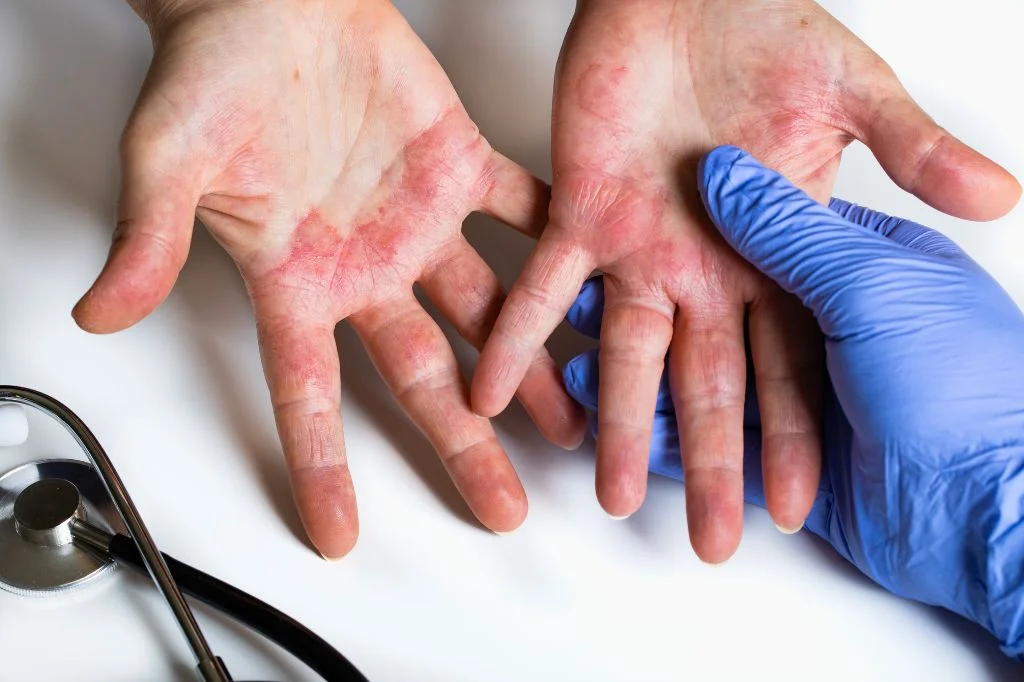
When Skin Allergy Testing Makes Sense
Testing tends to make the most sense when avoidance alone isn’t giving you a clear answer. Maybe you’re still narrowing down a skincare allergic reaction, or dealing with sudden hives that keep recurring without an obvious single cause, testing is the natural next step: a way to confirm a specific suspected allergen before committing to avoiding it long-term, or something your dermatologist recommends after an initial consultation.
It’s also worth considering if you’re planning a longer stay or return trips to Bali and want a definitive answer rather than repeatedly guessing at triggers each time something flares up. A confirmed result means you can plan around a specific allergen with confidence, rather than avoiding a broad category of products or foods just to be safe.
Types of Skin Allergy Testing We Offer
A skin prick test in Bali’s clinics generally works the same way it would anywhere else, and which test makes sense depends on the type of reaction you’re trying to confirm:
- Skin prick (scratch) testing: for immediate-type allergies, like food or environmental triggers, where a reaction shows up within minutes, a tiny amount of a suspected allergen is introduced just under the skin’s surface
- Patch testing: for delayed contact allergies, like fragrance, preservatives, or metals, where a reaction takes longer to develop, small patches containing suspected allergens are applied to your back and left in place
Both are standard, well-established methods, not experimental procedures. If your trigger touched your skin directly, a product, jewelry, or a plant, patch testing is usually the better fit, and our contact dermatitis article covers that category in more detail.
What to Expect During Your Appointment
Booking a skin allergy test dermatologist appointment in Bali follows a straightforward process:
- A consultation to discuss your suspected triggers, symptom history, and which test type fits your situation
- The testing itself, a series of small scratches for a prick test, or patches applied to your back for a patch test
- A waiting period to observe any reaction, which varies by test type
- A follow-up discussion of your results and what they mean for avoiding the confirmed trigger going forward
One prep note: ACAAI recommends avoiding antihistamines for about a week before a prick test, since they can suppress the skin’s reaction and affect accuracy. Confirm the exact timing with your dermatologist when you book.
How Long Results Take
Results timing depends on which test you have. ACAAI notes that prick testing typically gives a same-visit result within about 15 to 20 minutes, so you’ll usually know before you leave. Patch testing takes longer: the patches stay on for about 48 hours, and sometimes a second reading is needed a couple of days after that, so it’s worth planning for at least one follow-up visit rather than expecting a same-day answer.
If you’re on a short trip, this timing is worth building into your plans. A prick test can usually fit into a single day even on a tight itinerary, while a patch test works better if you have at least a few extra days in Bali to return for the follow-up reading, rather than trying to squeeze it into your last 48 hours.

How Hydro Medical Helps
A dermatologist in Bali at Hydro Medical matches the right test type to your suspected trigger rather than defaulting to one method, and uses the results to build a practical avoidance and treatment plan rather than just handing over a list of positives.
If your results point toward a specific product, food, or environmental trigger, we’ll walk through what that actually means day to day, what to avoid, what’s safe, and whether any additional treatment is needed for the reaction itself. Every consultation is private, and our team is fluent in English, with appointments available across Canggu, Seminyak, and Kuta.
Frequently Asked Questions (FAQ)
How do I know if I need allergy testing instead of just avoiding the suspected trigger?
If avoidance alone isn’t giving you a clear answer, if the trigger keeps recurring without an obvious single cause, or if you want a confirmed answer before making a longer-term change, testing is worth considering.
What’s the difference between a skin prick test and a patch test?
A prick test checks for immediate-type allergies, like food or environmental triggers, with results in about 15 to 20 minutes. A patch test checks for delayed contact allergies, like fragrance or metals, and takes about 48 hours before the first reading.
Does allergy testing hurt?
A prick test involves a series of small scratches on the skin’s surface, generally described as more uncomfortable than painful. A patch test is not painful, since the patches simply sit on the skin.
Do I need to stop taking antihistamines before testing?
For a prick test specifically, avoiding antihistamines for about a week beforehand is generally recommended, since they can suppress the skin’s reaction and affect accuracy. Confirm the exact timing with your dermatologist.
How long does a testing appointment take?
A prick test appointment is usually around an hour including the waiting period for results. A patch test requires an initial visit to apply the patches and at least one follow-up visit about 48 hours later to read the results.
Can I get tested for a food allergy and a contact allergy at the same time?
Yes, though they use different testing methods, prick testing for food and patch testing for contact allergens, so your dermatologist will plan the approach based on what you’re trying to confirm.
Will testing tell me exactly what caused my rash?
Testing can confirm or rule out specific suspected allergens, which is often the missing piece when a pattern isn’t obvious from avoidance alone, though it works best alongside a detailed history of your symptoms.
Is allergy testing accurate?
Skin testing is a well-established, standard method for confirming allergies, though like any medical test it works best interpreted alongside your symptom history by a qualified professional rather than read in isolation.
Can children be tested for allergies?
Yes, though the approach may be adjusted for younger patients. Speak with our team about your child’s specific situation when booking.
Can I get allergy testing the same day in Bali?
Prick testing is often available same-day depending on the clinic schedule. Patch testing requires planning ahead since it needs a follow-up visit about 48 hours later. Contact us to check current availability.
Getting a confirmed answer is usually more useful than continuing to guess. Hydro Medical’s dermatologist is available across Canggu, Seminyak, and Kuta for private consultations.