
The vibrant Bali lifestyle—from daily caffeine hits in Canggu to sunset cocktails—can take an unexpected toll on your smile. While you might maintain a rigorous brushing routine, you may notice a gradual yellowing that seems resistant to over-the-counter fixes. Identifying whether your discoloration is a surface-level habit or a deeper structural change is the first step toward maintaining your dental care in Bali and reclaiming your social confidence.

Understanding Extrinsic Stains from the Bali Lifestyle
Extrinsic stains are surface-level discolorations that bond to the protein pellicle covering your enamel. These are the most common culprits for expats due to specific local consumption habits:
- Dark Liquids: Frequent consumption of local Balinese coffee, imported teas, and red wine introduces chromogens that attach to enamel, causing noticeable yellowing.
- Acidic Tropical Fruits: High-acid fruits like pineapples and citrus can temporarily soften enamel, making it more porous and easier for other stains to stick.
- Tobacco & Nicotine: Social smoking introduces tar and nicotine, creating stubborn yellowish-brown stains that often coexist with persistent bad breath in Bali.
The Deep Dive: What are Intrinsic Stains?
Unlike surface stains, intrinsic yellowing occurs within the inner structure of the tooth, known as the dentin. This type of discoloration is more complex because it cannot be removed by traditional cleaning or scrubbing methods.
As we age, outer enamel naturally thins, causing the yellowish dentin underneath to become more visible. Furthermore, internal darkening can be caused by physical trauma—such as a minor surfing or scooter accident—or past exposure to specific medications.
Because these stains are “inside” the tooth, they typically require professional chemical bleaching at a specialized dental clinic in Bali to achieve a brighter shade.
The Hidden Role of Hygiene and Local Environment
If plaque is not meticulously removed, it mineralizes into tartar (calculus), which is much more porous than enamel. This tartar acts like a sponge, absorbing pigments from Bali’s mineral-rich water and the vibrant spices found in local cuisine. This buildup is often a primary cause of bleeding gums after brushing, signaling that professional intervention is needed to restore both health and aesthetics.
Why Brushing Often Isn’t Enough
Many expats attempt to fix yellowing with abrasive charcoal powders or whitening toothpastes found in local markets. However, these cannot reach intrinsic stains and may actually thin your enamel further, making teeth appear yellower. Professional treatments are designed to safely penetrate enamel to break up deep-seated stains while adhering to international dental safety standards.
This clinical approach is essential if you are managing complex issues, such as difficulty cleaning around an impacted wisdom tooth in Bali, where bacteria and stains tend to accumulate. A professional assessment ensures the cause of your discoloration is accurately diagnosed, rather than just masked.
Conclusion
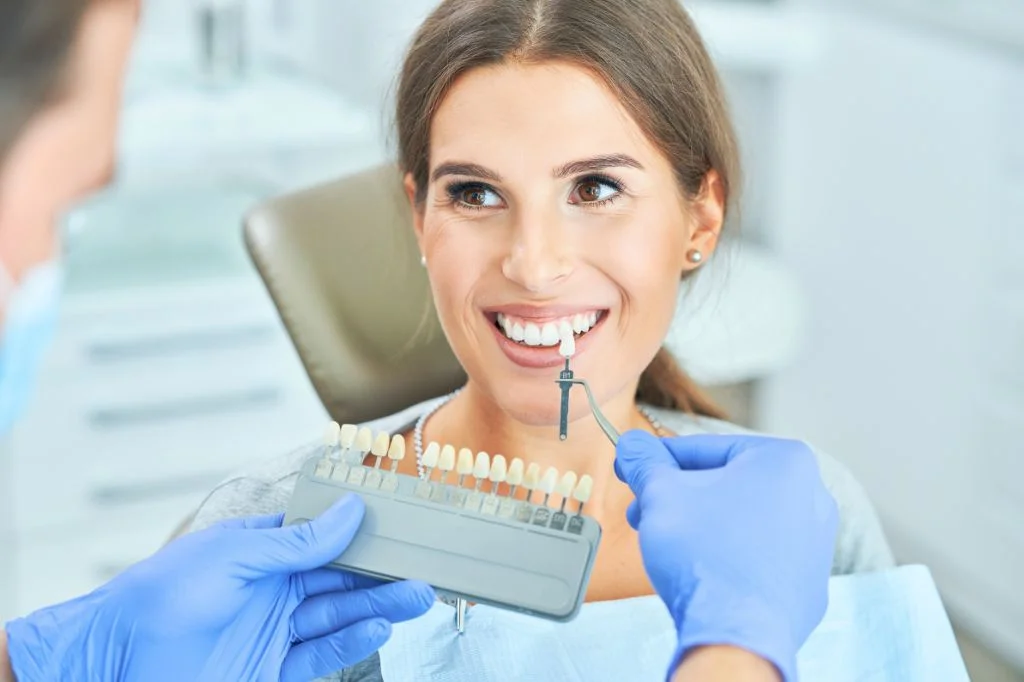
Yellow stains are a common side effect of the Bali lifestyle, but they are treatable once the root cause is identified. Whether you are dealing with surface-level habits or internal changes, a professional evaluation is the only way to safely restore your teeth’s natural whiteness. To start your journey toward a brighter smile, visit Hydro Medical at any of our specialized dental branches for a diagnostic check-up.
BRIGHTEN YOUR BALI SMILE
Don’t let stains hold you back. Our aesthetic dental team provides clear diagnostic assessments and professional-grade whitening to help you breathe and smile easily again.
Frequently Asked Questions (FAQ)
Can Bali tap water stain my teeth?
It won’t directly stain, but high mineral content can contribute to tartar, which traps surface stains.
What is the difference between extrinsic and intrinsic stains?
Extrinsic is on the surface (enamel); intrinsic is inside (dentin).
Will professional cleaning remove yellow stains?
Scaling removes most extrinsic stains, but intrinsic yellowing requires chemical bleaching.
Are yellow teeth always unhealthy?
Not necessarily; dentin is naturally yellow, but stains can hide underlying plaque.
Does charcoal toothpaste work for Bali coffee stains?
We advise against it; it is often too abrasive and can damage your enamel.
How long does professional whitening last?
Results usually last 6–12 months depending on coffee or tobacco consumption.
Is teeth whitening safe for sensitive teeth?
Yes, we use professional-grade gels and barriers to minimize sensitivity during the procedure.
Can medications cause intrinsic stains?
Yes, certain antibiotics like tetracycline can cause permanent internal staining.
Why do my teeth look yellower as I age?
Enamel wears down naturally, revealing more of the yellow dentin underneath.
Where can I get professional teeth whitening in Canggu?
Visit Hydro Medical at our Batu Bolong, Subak Sari, or Batu Belig branches.