
Bali’s traditional markets offer an abundance of nutrient-dense produce that serves as the foundation for a resilient smile. Integrating these local superfoods into your daily routine is a proactive way to support dental care in Bali, allowing you to strengthen your enamel naturally. By focusing on remineralizing nutrition found in local markets, you can protect your oral health throughout your tropical stay.

Nature’s Remineralizers: Bali’s Market Superfoods
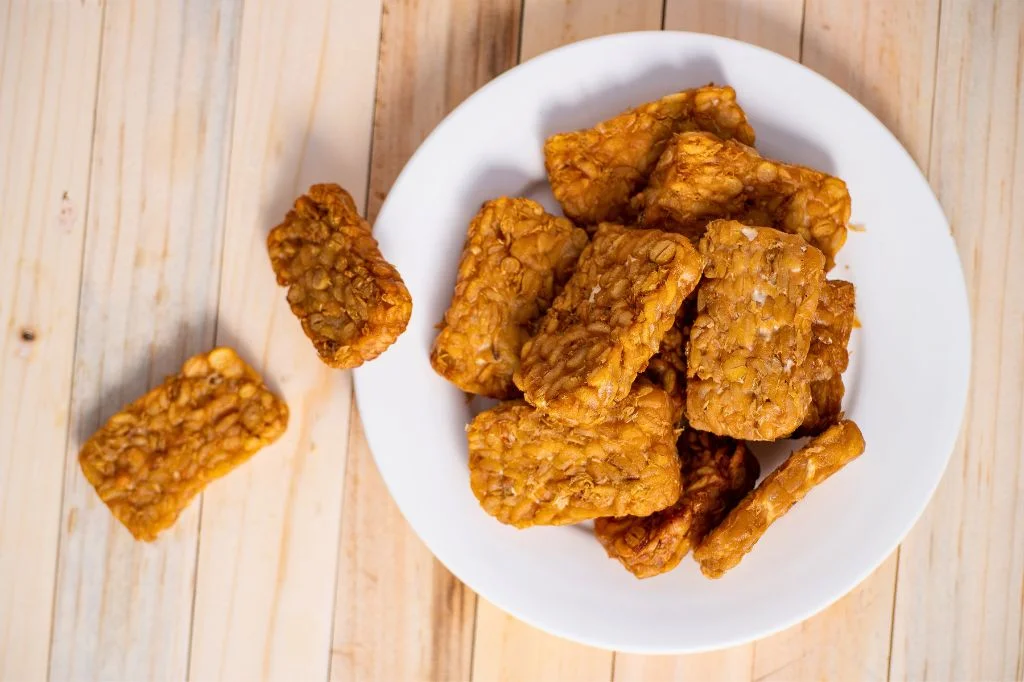
The traditional markets of Bali, or Pasar, are home to two incredible powerhouses: Moringa (Kelor) and Tempeh. Moringa leaves are a local “miracle” food, containing a higher concentration of calcium than milk to support enamel density.
When paired with Tempeh—rich in phosphorus—these foods help remineralize teeth and maintain jawbone integrity. Experts at sources like Healthline note that calcium and phosphorus must work together to create the hard crystals that protect your teeth from decay.
Crunchy Cleansers: Natural “Toothbrushes” from the Land
Choosing the right snacks can act as a secondary defense mechanism for your oral health. Fibrous local vegetables such as Cucumber and Jicama (Bengkoang) serve as natural cleansers due to their high water content and scrubbing texture. Chewing these foods stimulates the production of saliva, which is vital for maintaining high dental safety standards in Bali within your own mouth by neutralizing harmful acids and washing away food particles.
The Ocean’s Contribution: Seafood and Vitamin D
Bali’s coastal location ensures a steady supply of fresh local fish like Mahi-Mahi and Tuna, which are excellent sources of phosphorus. However, these minerals can only be utilized effectively if your body has sufficient Vitamin D to facilitate absorption:
- Sunlight Synergy: Bali’s year-round sunshine allows your body to synthesize Vitamin D naturally, moving calcium into your tooth structure.
- Trace Minerals: Fresh seafood provides essential trace minerals like zinc, which strengthen the tooth’s surface.
- Bone Density: Regular consumption of local fish supports the alveolar bone, ensuring your teeth remain firmly anchored.
Smart Snacking: Local Nuts and Seeds
Markets in areas like Ubud or Canggu offer an abundance of Bali Cashews and Pumpkin Seeds, which are packed with magnesium to help build strong enamel. These snacks provide healthy fats that coat the teeth, creating a temporary protective barrier against the natural sugars found in other tropical fruit. Understanding this oral gut microbiome connection shows how every local snack contributes to your total systemic wellness.
Conclusion
Building a strong smile requires connecting a mineral-rich diet with professional maintenance. While Bali’s markets provide the building blocks, visiting a dental clinic in Bali ensures that your progress is monitored and protected. Trusting your oral health to Hydro Medical provides the final layer of defense for a truly healthy island lifestyle.
COMPLEMENT YOUR DIET WITH PROFESSIONAL CARE.
Nutrition builds the foundation, but professional maintenance provides the shield. Ensure your teeth are as healthy as your diet with a comprehensive check-up and professional cleaning at our international-standard facility.
Frequently Asked Questions (FAQ)
Which Bali market food is best for calcium?
Moringa (Kelor) is a local powerhouse, containing significantly more calcium than milk per gram, making it ideal for enamel support.
How does Tempeh help my teeth?
Tempeh is rich in phosphorus and calcium, minerals that work together to remineralize tooth enamel and strengthen the jawbone.
Can eating raw vegetables really clean my teeth?
While not a substitute for brushing, crunchy vegetables like Jicama act as natural abrasives and stimulate saliva to wash away food particles.
Why is Vitamin D important for my dental health in Bali?
You need Vitamin D to absorb the calcium you eat; luckily, Bali’s abundant sunshine helps your body produce it naturally.
Are local cashews good for my gums?
Yes, cashews provide magnesium and phosphorus which help maintain healthy gum tissue and bone structure.
Should I avoid all sugar even if it’s from fruit?
Not necessarily, but you should balance acidic fruits with mineral-rich foods to protect your enamel.
Is sea salt from Bali markets better for my teeth?
Natural sea salt contains trace minerals, but it should be used in moderation; a saltwater rinse can occasionally help soothe gum irritation.
How often should I eat these foods to see a difference?
Consistency is key; incorporating these local superfoods into your daily diet provides a steady supply of minerals for your teeth.
Does coconut water help strengthen teeth?
Coconut water is great for hydration and contains some minerals, but it is slightly acidic, so rinse with plain water afterward.
Can a healthy diet replace dental cleaning?
No; while diet strengthens teeth from within, only professional scaling can remove hardened tartar (calculus) that brushing cannot reach.