
Many travelers land in Bali experiencing a sudden sensation of dental pressure or sensitivity that wasn’t present before boarding. This phenomenon is often triggered by cabin air pressure shifts, making dental care in Bali a vital step for those feeling such discomfort. Understanding how altitude interacts with your dental anatomy can help prevent minor aches from evolving into a medical emergency during your vacation.
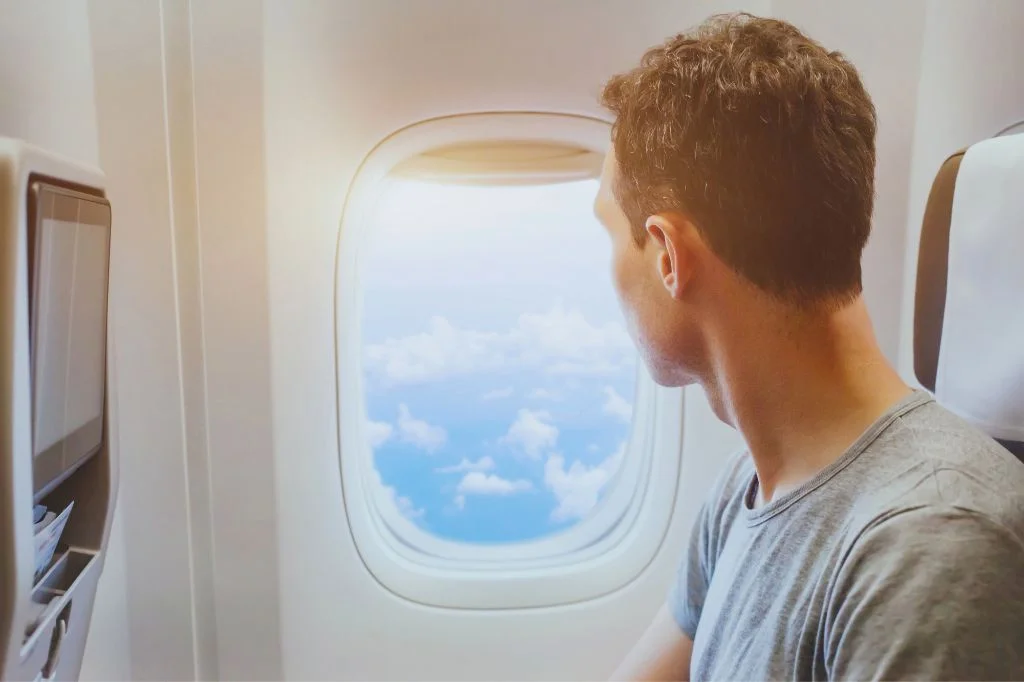
Understanding Barodontalgia: The “Airplane Toothache”
The scientific name for dental pain triggered by changes in atmospheric pressure is Barodontalgia. Based on the physical laws of gas expansion, as an airplane climbs and cabin pressure drops, tiny air pockets trapped inside your teeth begin to expand. If you have a microscopic gap under an old filling or an undetected cavity, this expanding air puts direct, intense pressure on the sensitive dental nerves.
Why Your Teeth Feel Sensitive After a Long-Haul Flight
While the sensation of tooth pain after flying is common, the underlying causes vary based on your specific oral health profile. Most travelers experience one of the following pressure-related triggers:
- The Pressure Trap: Tiny air bubbles trapped beneath fillings or within tooth decay expand during flight, causing sharp pain that typically subsides once you return to sea-level pressure.
- The Sinus Connection: Because the roots of your upper teeth sit near your maxillary sinuses, altitude-induced sinus congestion can mimic a deep, throbbing toothache in the upper jaw.
- Dehydration: Cabin humidity often drops below 20%, leading to reduced saliva flow which makes your enamel temporarily more sensitive to temperature and touch.
Warning Signs: When Post-Flight Sensitivity Requires Action
For many, the discomfort disappears within a few hours of landing. However, contrary to common dental myths that suggest all travel-related pain is temporary, you should be alert if you experience the following:
- Persistence Beyond 24 Hours: If the sensitivity or “different” feeling remains after your first day in Bali, it indicates a latent issue triggered by cabin pressure.
- Localized Sharp Pain: A dull ache that shifts into a sharp sensation when biting down signifies a leaking restoration or nerve inflammation.
- Visible Swelling: The appearance of minor gum swelling after a flight is a sign of an infection that requires an immediate dental check-up in Bali to prevent an abscess.
Post-Flight Oral Recovery Tips for Travelers
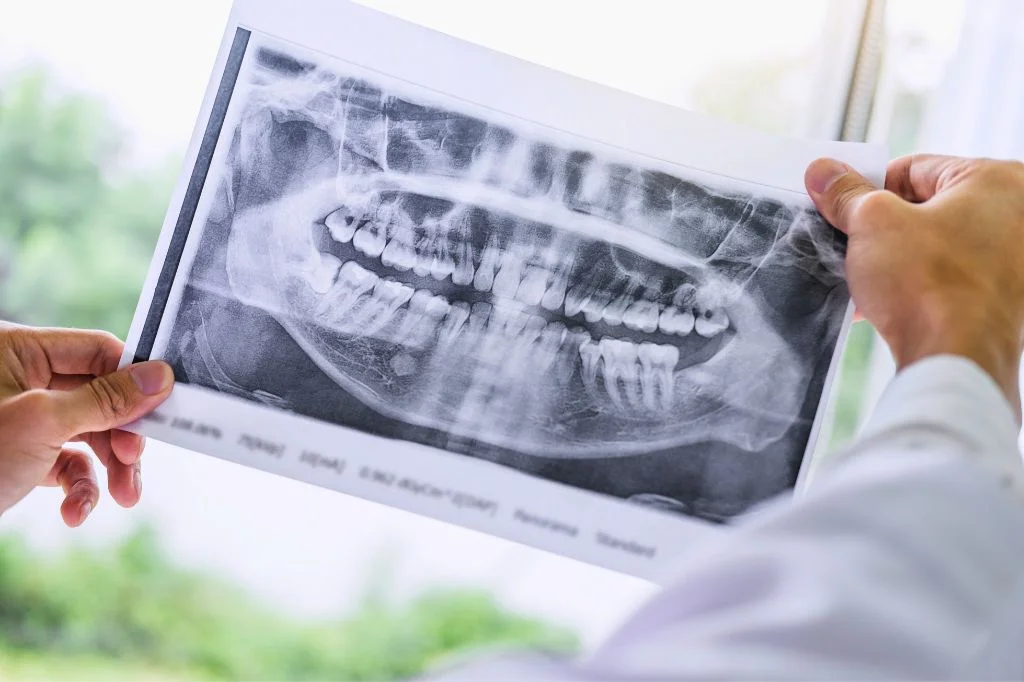
To help your mouth recalibrate, prioritize hydration to restore your saliva’s natural defense barriers. It is highly recommended to avoid extremely hot or cold beverages for the first 12 hours after landing to allow the dental pulp to stabilize. Visiting a reputable dental clinic in Bali for a quick diagnostic scan can confirm that your dental work remains secure under the dental safety standards we implement for every traveler.
Conclusion
Experiencing a change in dental sensation after air travel is a physiological reality, but it should not be ignored if it persists beyond your first day. Addressing issues exposed by flight pressure early ensures your tropical getaway remains pain-free. Trusting the experts at Hydro Medical guarantees that your post-flight recovery is swift, professional, and thorough.
DID YOUR FLIGHT TRIGGER A TOOTHACHE?
Don’t let “pressure pain” turn into a medical emergency that ruins your vacation. If your teeth still feel sensitive or different after landing, our quick digital diagnostics can identify the cause in minutes.
Frequently Asked Questions (FAQ)
What is barodontalgia?
It is dental pain caused by changes in atmospheric pressure, typically occurring during flights or diving. It happens when air trapped inside or under a tooth expands against the dental nerve.
Why does my tooth only hurt when I’m flying?
Pressure shifts cause air trapped inside a cavity or under a filling to expand. This discomfort usually indicates a hidden issue that requires professional evaluation.
Can cabin pressure cause a filling to pop out?
While rare, extreme pressure can stress a damaged or leaking filling, potentially causing it to loosen or detach completely.
How long should tooth sensitivity last after landing?
Most pressure-related aches should subside within a few hours as your body readjusts to sea-level pressure. If pain lasts more than 24 hours, it is a sign of infection.
Is post-flight tooth pain a sign of a cavity?
Often, yes; the flight acts as a “stress test” that reveals hidden decay or air pockets you were previously unaware of.
Why do my upper teeth ache specifically?
This is often due to sinus pressure (barosinusitis) putting direct pressure on the roots of your upper molars. It is vital to distinguish between sinus issues and actual tooth decay.
Can flying with a tooth infection be dangerous?
It can be extremely painful and may cause an infection to flare up due to pressure shifts and restricted oxygen levels in the cabin.
Does airplane air affect my gums?
Dry cabin air can lead to temporary gum irritation and sensitivity due to significantly reduced saliva flow.
What should I do if my tooth hurts mid-flight?
Stay hydrated, avoid cold drinks, and use over-the-counter pain relief until you can see a dentist upon landing.
How do Bali dentists diagnose flight-related pain?
We use digital X-rays and vitality tests to identify hidden gaps or nerve inflammation triggered by the flight, ensuring we treat the root cause.