
Embracing Bali’s vibrant fruit culture is a highlight of island life, from fresh smoothie bowls to tropical citrus cocktails. However, this nutrient-rich lifestyle can have a hidden impact on your smile’s structural integrity. Understanding the nuances of dental care in Bali is essential to enjoy the island’s bounty while protecting your long-term oral health.
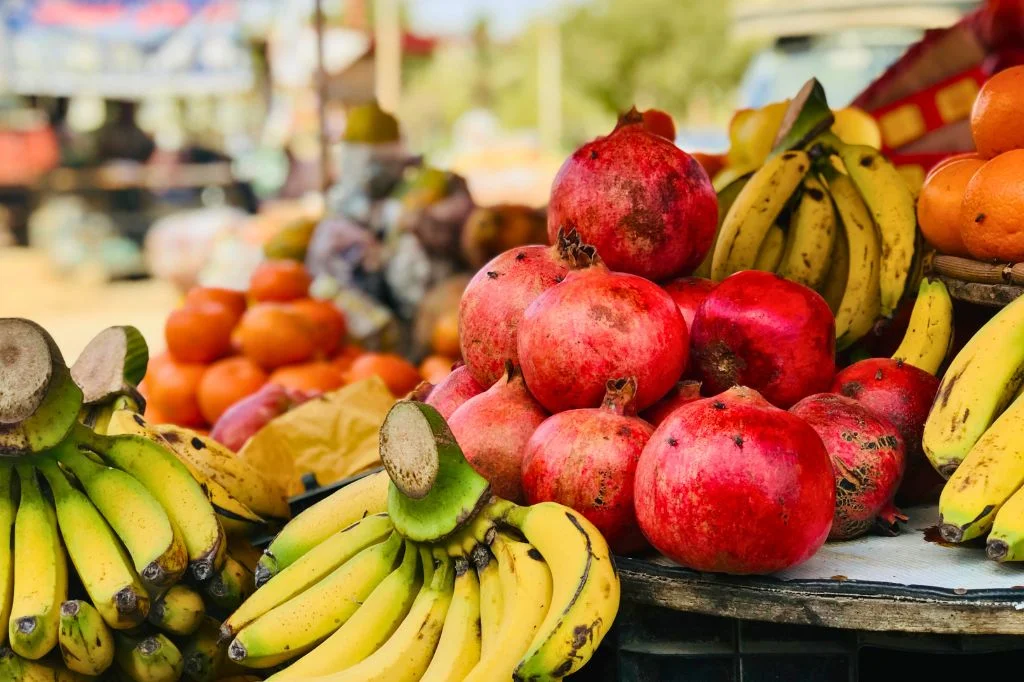
The Hidden Acidity in Bali’s Favorite Fruits
While tropical fruits are packed with vitamins, many local favorites like pineapples, limes, and young mangoes contain high levels of citric and malic acids. The World Health Organization (WHO) highlights that a diet high in free sugars and acids is a primary risk factor for oral diseases, including dental erosion.
- Enamel Softening: Frequent exposure to these natural acids temporarily softens the tooth enamel, leading to demineralization.
- The Smoothie Bowl Trap: Frequent consumption of blended acidic fruits increases the surface area of acid contact, raising the risk of sensitivity.
- Silent Erosion: Acid erosion often happens gradually and without pain, making it difficult to detect until the protective layer has significantly thinned.
Natural Sugars and Their Role in Cavity Formation
Acidity is only half of the story; Bali’s tropical climate produces fruits with high natural sugar content. Sticky fruits like ripe mangoes, papayas, or dried dates can easily become trapped in the grooves of your teeth, providing a feast for plaque-producing bacteria.
As these bacteria ferment the sugars, they produce even more acid, creating a double-threat environment for your smile. Interestingly, dental research suggests that the frequency of consumption is often more damaging than the total amount eaten at once, as it keeps the mouth in a constant state of low pH.
Practical Strategies to Protect Your Enamel
You don’t have to give up your favorite tropical treats to keep your teeth healthy. Implementing a few practical strategies can significantly mitigate the risk of acid erosion teeth Bali residents often face when consuming high-acid diets.
- The Mineral Rinse: Immediately after eating acidic fruit, rinse your mouth with plain mineral water to help neutralize the pH levels.
- The 30-Minute Rule: Never brush your teeth immediately after consuming acidic food; wait at least 30 to 60 minutes to allow your enamel to re-harden naturally.
- Smart Consumption: Using a reusable straw for fruit juices helps the liquid bypass your teeth, while eating cheese or nuts alongside fruit can help neutralize acids.
- Routine Monitoring: Incorporating a traveler’s dental checklist into your routine ensures you never miss the preventive care needed to stay ahead of erosion.
Restoring Acid-Damaged Teeth with Modern Dentistry
If you are already experiencing sensitivity or notice transparency at the edges of your teeth, modern restorative techniques can help. At our dental clinic in Bali, we utilize advanced composite resins to reinforce thinned enamel and prevent further wear.
For those at high risk, we also provide professional-grade sealants and fluoride applications that act as a protective barrier. By following high safety standards in all our procedures, we ensure that your smile is restored using the most durable materials available. Early intervention is always the most cost-effective way to preserve your natural teeth while living your best Bali life.

Conclusion
Embracing the tropical lifestyle doesn’t have to mean sacrificing your dental health. By staying informed and visiting Hydro Medical for regular preventive screenings, you can keep your enamel strong and your smile bright for years to come.
LOVE YOUR FRUIT, BUT PROTECT YOUR ENAMEL.
Don’t let natural acidity permanently ruin your smile.
Frequently Asked Questions (FAQ)
Can fruit really damage my teeth?
Yes, high acidity in many tropical fruits can dissolve enamel over time. It is important to neutralize these acids by rinsing with mineral water after eating.
Is it better to eat fruit or drink fruit juice?
Eating whole fruit is generally better because the fiber stimulates protective saliva. Juices concentrate acids and sugars, posing a higher risk to your enamel.
Why are my teeth sensitive after eating pineapple?
The bromelain and acid in pineapple can temporarily irritate gums and soften enamel. This sensitivity is often an early sign of acid erosion.
Should I brush my teeth immediately after eating fruit?
No, you should wait 30 to 60 minutes. Brushing immediately can scrub away enamel that is still soft from the fruit acid exposure.
What are the signs of acid erosion?
Signs include transparent edges on teeth, sensitivity to cold, or yellowing as the dentin becomes exposed. A professional check-up can confirm the damage.
Can I prevent damage by using a straw?
Using a straw for fruit juices helps the liquid bypass your teeth entirely. This is an effective way to enjoy acidic drinks more safely.
Does Hydro Medical offer enamel-strengthening treatments?
Yes, we provide professional fluoride applications and remineralization therapies. This is a fast and effective step for our expat patients.
Are tropical fruits more acidic than Western fruits?
Many local favorites like lime and pineapple are significantly more acidic than berries. Awareness of these differences is key to your dental health.
Can enamel grow back once it’s gone?
No, enamel does not regrow naturally. You will need restorative treatments like fillings or veneers to repair the structural damage.
How often should I see a dentist if I eat a lot of fruit?
We recommend a check-up every six months at our Batu Belig or Subak Sari clinics. Routine monitoring prevents minor erosion from becoming a major issue.