
A trip to Bali is exciting, but for many travellers, there’s one lingering worry: ‘What if I have a herpes outbreak?’ This is a valid concern, as travelling itself—the stress, the jet lag, and especially the intense Bali sun—can be a major trigger for the virus. The good news is that Herpes, one of the most common sexually transmitted diseases, is highly manageable. This is your practical guide to managing outbreaks in Bali so you can stay in control.

Quick Facts: What is Herpes (HSV-1 vs. HSV-2)?
It’s helpful to understand the basics of the virus, as there is a lot of confusion about the two main types, HSV-1 and HSV-2.
HSV-1 (Oral Herpes)
This is traditionally known as “cold sores” or fever blisters around the mouth. However, it’s important to know that HSV-1 can spread to the genitals via oral sex, causing genital herpes. More than 50% of the population has HSV-1.
HSV-2 (Genital Herpes)
This is the virus that most commonly causes genital herpes. Its primary symptom is one or more painful blisters/sores around the genital or rectal area. The stigma surrounding herpes is often far worse than the condition itself, which is manageable.
Common Outbreak Triggers (Especially While Travelling in Bali)
Preventing an outbreak means managing your triggers. As health authorities like the UK’s NHS (National Health Service) confirm, travel itself can combine several common triggers:
- Sun Exposure: Strong UV light is a well-documented trigger. The intense Bali sun can be a major factor in waking up the virus.
- Stress: The physical and emotional stress from long flights, jet lag, or work (for digital nomads) can weaken your immune response.
- Lack of Sleep & Fatigue: “Late nights” in Canggu or Seminyak and disrupted sleep schedules can be a trigger.
- Alcohol & Poor Diet: Binge drinking or a change in diet can, for some people, contribute to an outbreak.
- Friction: Sexual activity itself (friction) can sometimes be a physical trigger for an outbreak.
How to Manage an Active Outbreak in Bali (What to Do NOW)
The key to managing an outbreak is to act fast, ideally at the first sign (like a tingling or itching sensation). If you feel an outbreak starting in Bali, don’t panic. Follow these clear and practical steps:
- Get Antiviral Medication (Immediately): This is the most important step. Prescription antiviral pills (like Valacyclovir or Acyclovir) are the only proven way to stop the virus from replicating. This makes the outbreak heal much faster and be less severe.
- Keep the Area Clean & Dry: Gently wash the area with mild soap and water, and pat it dry. This helps prevent a secondary bacterial infection.
- Abstain and Communicate: You must not have sex (vaginal, anal, or oral) during an active outbreak, even with a condom, as this is when you are most contagious. You must tell your partner.
- Manage Discomfort: A cool compress, loose-fitting cotton underwear, and over-the-counter pain relievers can help with the discomfort.
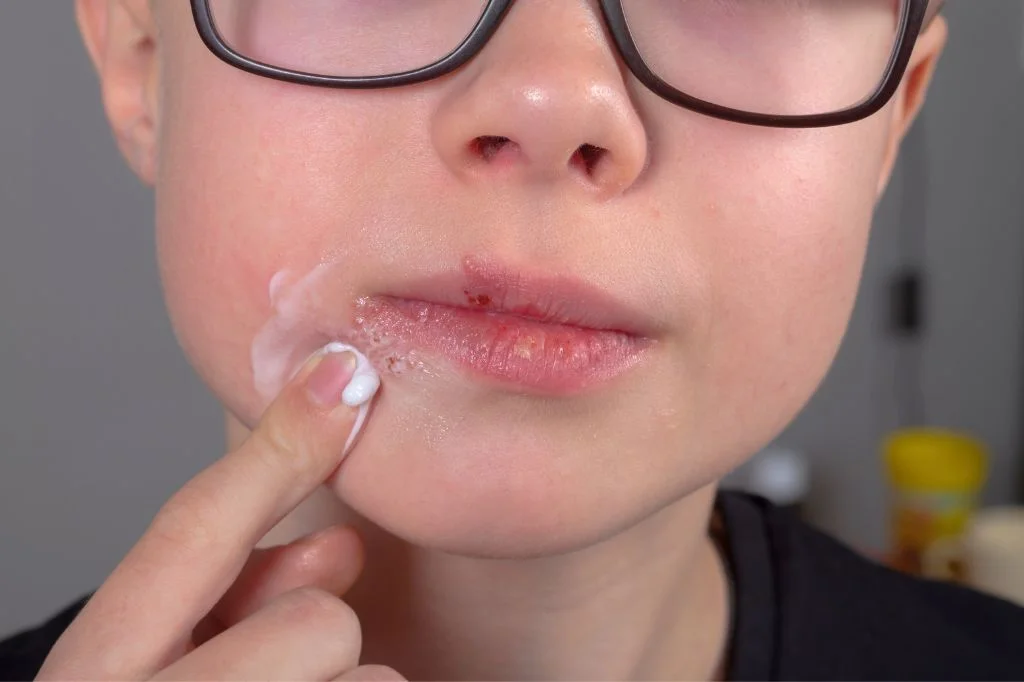
How to Get Herpes Medication in Bali
Getting the right antiviral medication is the most critical part of managing an outbreak. While you might be tempted to find a quick fix at the nearest apotek, getting safe and effective treatment requires a proper medical process.
You Need a Doctor’s Prescription
In Bali, reputable antiviral medications (like Valacyclovir) are not over-the-counter drugs. You must visit a clinic for a doctor’s consultation to get a prescription. This ensures you get a legitimate, effective medication at the correct dosage.
Warning Against “Apotek” Solutions
Do not try to buy medication from a random apotek without a prescription. You risk getting counterfeit drugs, the wrong dosage, or an ineffective cream (antiviral pills are the standard treatment, not creams).
Episodic vs. Suppressive Therapy
When you see a doctor, you have two options:
- Episodic Therapy: The doctor provides you with a short course of pills to take as soon as you feel an outbreak starting.
- Suppressive Therapy: If you get outbreaks frequently, a doctor can prescribe a low-dose antiviral pill to take every day. This is highly effective and can prevent outbreaks from happening, offering great peace of mind for long-term travellers.
Conclusion
Herpes is extremely common and 100% manageable. Don’t let the fear of an outbreak ruin your trip to Bali. Understand your triggers, and know that fast, professional treatment is available. Hydro Medical can provide a confidential consultation and prescription for antiviral medication (both episodic and suppressive) to keep you in control.
DON’T LET AN OUTBREAK RUIN YOUR TRIP.
Get fast, confidential access to antiviral medication (like Valacyclovir) to manage or prevent outbreaks while in Bali.
Frequently Asked Questions (FAQ)
What’s the difference between HSV-1 and HSV-2?
HSV-1 typically causes oral herpes (cold sores), while HSV-2 typically causes genital herpes. However, both viruses can cause sores in both locations (e.g., genital herpes from HSV-1 via oral sex).
Is Herpes curable?
No, there is no cure for the virus itself. However, it is 100% manageable. Antiviral medication is extremely effective at treating and preventing the symptoms (outbreaks).
What is the treatment for a Herpes outbreak?
The treatment is a prescription antiviral medication, such as Valacyclovir or Acyclovir. These pills stop the virus from replicating, which makes the outbreak heal much faster and be less severe.
How do I get Herpes medication (Valacyclovir) in Bali?
You must see a doctor. Reputable antivirals are prescription-only drugs. A doctor will provide a consultation and write you a prescription.
Is the Bali sun really a trigger for Herpes?
Yes. Exposure to strong UV light (like the sun in Bali) is a very common and well-documented trigger for outbreaks, especially for HSV-1 (cold sores).
Can I still have sex if I have Herpes?
You must not have sex (vaginal, anal, or oral) during an active outbreak, as this is when you are most contagious. Between outbreaks, you must inform your partner and use condoms to reduce the risk.
What is suppressive therapy for Herpes?
This is a low-dose antiviral pill that you take every day. It is highly effective at preventing most (or all) future outbreaks and also significantly reduces the risk of transmitting it to a partner.
How is Herpes tested?
The best test is a visual exam and a swab (PCR test) of an active sore by a doctor. Blood tests for antibodies exist, but can be complex to interpret, so a doctor’s consultation is key.
Can I pass on Herpes even if I don’t have an outbreak?
Yes. This is called “asymptomatic shedding,” and it is the main way Herpes is transmitted. This is why daily suppressive therapy and using condoms are important protective measures.
Is a Herpes test included in my full STD screening?
Not always. Many standard screenings do not include a Herpes blood test unless you specifically ask for it. Always discuss this with your doctor.