
Swallowing feels like swallowing glass, and your first instinct is likely to rush to the pharmacy for antibiotics to stop the pain immediately. However, medical statistics show that nearly 90% of adult sore throats are viral, rendering antibiotics completely useless. Distinguishing between a common cold and a bacterial infection is crucial to avoid unnecessary medication, and it starts with understanding the key differences outlined in standard medical diagnosis guidelines.

The “Viral” Profile (It’s Probably a Cold)
Viruses rarely strike the throat in isolation. If your sore throat feels like part of a “package deal” accompanied by a symphony of other symptoms, it is almost certainly viral.
Look for these key indicators:
- The Cough: If you have a cough and runny nose, it is a strong indicator of a virus. Bacteria rarely cause coughing.
- The Voice: Laryngitis or hoarseness suggests the virus is affecting the voice box.
- General Symptoms: Pink eye (conjunctivitis), a runny nose, or a low-grade fever often accompany viral strains.
- Treatment: Antibiotics will not kill a virus. The cure involves rest, hydration, and over-the-counter pain relievers.
The “Bacterial” Profile (The Strep Signs)
Bacterial infections, like a Streptococcus bacterial infection, act like snipers—they target the throat specifically and suddenly without the general messiness of a cold.
Watch for these specific red flags:
- The “No Cough” Rule: This is the most critical differentiator. If you are not coughing, the likelihood of a bacterial infection increases significantly.
- Sudden Heat: A fever that spikes rapidly (usually above 38.5°C).
- Visual Cues: Your tonsils look swollen and angry red, often covered in white patches of pus. Note: Ensure these white spots are actual fluid and not hard tonsil stones debris, which are harmless.
- Tender Neck: The lymph nodes in the front of your neck feel swollen and are painful to the touch.
The 3-Minute Self-Check (Modified Centor Score)
Doctors use a clinical tool called the Centor Score to estimate the likelihood of a bacterial infection like Strep Throat. You can perform a simplified version of this test in front of your mirror by asking yourself these four critical questions:
- Is your body temperature above 38°C?
- Is a cough completely absent?
- Can you see white spots (pus) on your tonsils?
- Are the glands in the front of your neck tender to the touch?
If you answered “YES” to three or more of these questions, there is a high probability of a bacterial infection that may require antibiotics. However, if your answers were mostly “NO,” your sore throat is likely viral, meaning antibiotics will be ineffective, and rest is your best cure.
Why You Should Never “Just Try” Antibiotics
Taking leftover antibiotics “just in case” is dangerous practice. First, it accelerates antibiotic resistance, meaning the drugs may not work when you truly face a life-threatening infection later. Second, antibiotics decimate the good bacteria in your gut, leaving you vulnerable to digestive issues like “Bali Belly.” Finally, antibiotics have zero effect on viruses—taking them for a viral sore throat is as effective as taking aspirin for a broken leg.
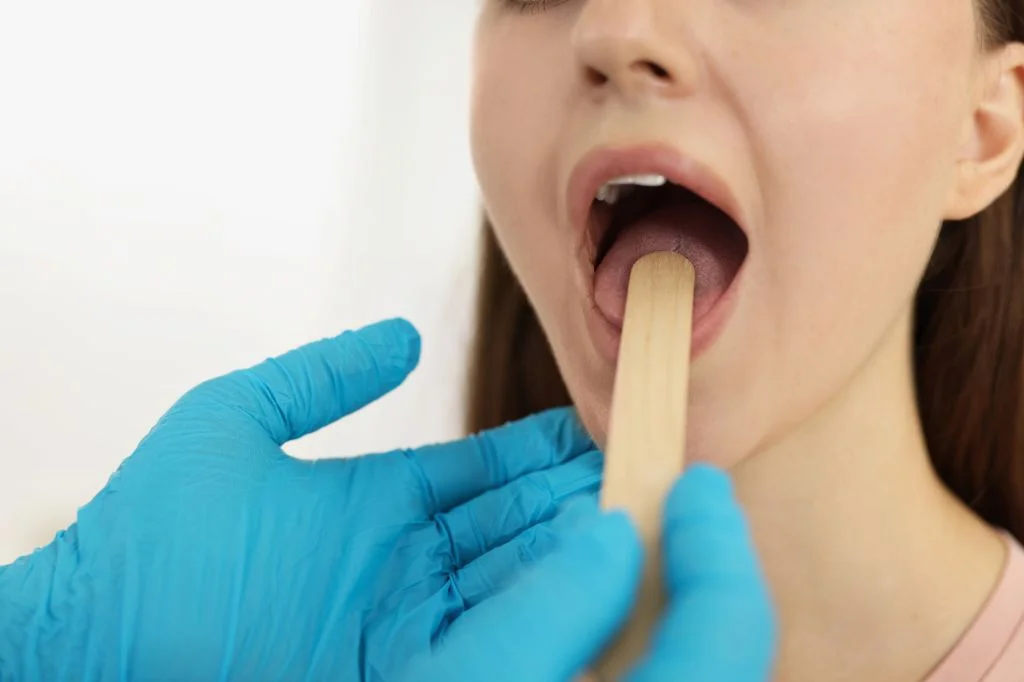
How Hydro Medical Diagnoses You
At Hydro Medical, we don’t guess. Our protocol involves a thorough visual examination to check for pus and inflammation. We strictly follow clinical scoring to ensure responsible prescribing.
If your condition is viral, an ENT specialist consultation can guide you toward effective symptom relief, such as powerful anti-inflammatories or IV Vitamin therapy to boost your immune response. If clinical signs confirm bacteria, we provide the appropriate course of antibiotics to ensure a full recovery.
Conclusion
Don’t play doctor with your health. Distinguishing between a viral nuisance and a bacterial threat ensures you get the right treatment without compromising your immune system. If you have a high fever, no cough, and spot white patches, contact Hydro Medical immediately for the correct prescription.
WHITE SPOTS OR HIGH FEVER?
Don’t guess with your health. If signs point to bacteria, you need a prescription. Get treated correctly today.
Frequently Asked Questions
How can I tell if my sore throat is viral or bacterial?
The biggest clue is a cough. If you are coughing and have a runny nose, it is likely viral. If you have a sudden high fever, no cough, and white spots on your tonsils, it is likely bacterial.
Does salt water kill bacteria in the throat?
It doesn’t kill the infection completely, but gargling warm salt water helps reduce inflammation, loosen mucus, and wash away irritants, providing relief.
Can a viral sore throat turn into bacterial?
Yes, it is possible. A viral infection can weaken your immune system, leading to a secondary bacterial infection like sinusitis or bronchitis later on.
How long does a viral sore throat last?
Typically 3 to 7 days. It usually improves on its own with rest and hydration.
How long does a bacterial sore throat last?
Without antibiotics, it can last longer and lead to complications. With antibiotics, you usually feel better within 24-48 hours.
Do I need a swab test to know for sure?
A throat swab is the only way to be 100% sure. However, doctors often use a clinical scoring system (Centor Criteria) to diagnose with high accuracy without a lab test.
Can I buy antibiotics over the counter in Bali?
Legally, no. You need a doctor’s prescription. Using antibiotics without a diagnosis is dangerous and contributes to global antibiotic resistance.
Is Strep Throat common in adults?
It is less common in adults than in children (only 5-15% of adult sore throats are Strep), but it does happen.
What if I see white spots but have no pain?
That might be tonsil stones, not an infection. These are calcified debris and are usually harmless.
Can Hydro Medical give IV Vitamins for a viral sore throat?
Yes. Since antibiotics don’t work for viruses, an IV Vitamin drip can help boost your immune system and energy levels to fight the virus faster.