
There is no quicker way to ruin the romantic ambiance of a private Bali villa than the sound of a chainsaw erupting from the other side of the bed. Many travelers are baffled to find themselves snoring loudly on vacation despite being silent sleepers at home, a phenomenon often driven by specific environmental and lifestyle shifts that disrupt essential ENT health guidelines.
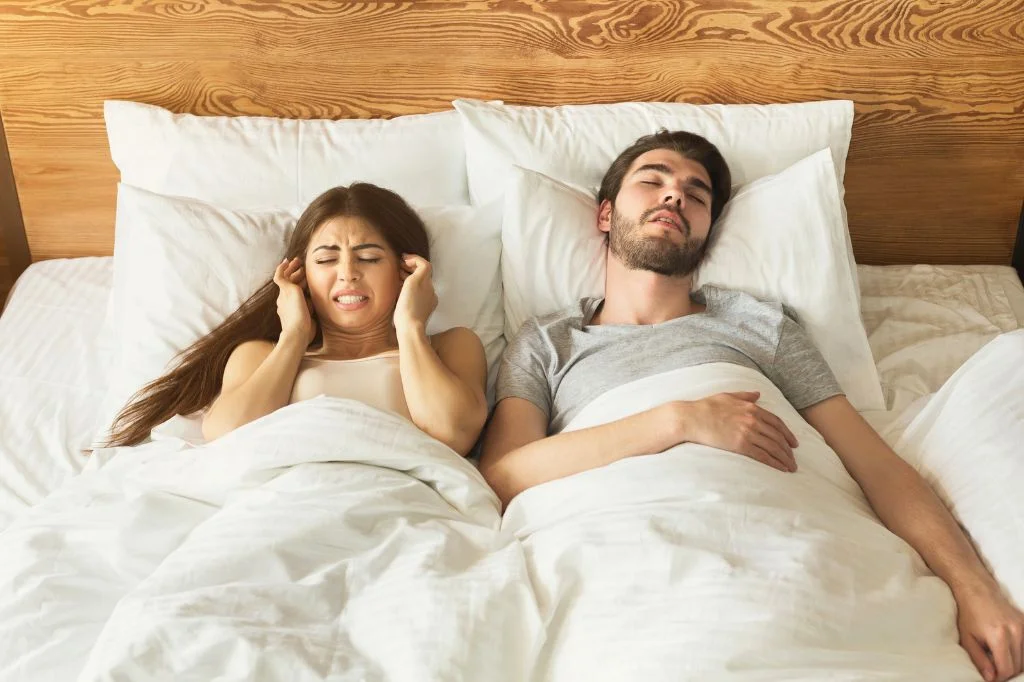
Trigger #1: The “Nightcap” Effect (Alcohol)
The most common culprit for sudden vacation snoring is the holiday cocktail. While a few Bintangs or a sunset margarita help you relax, alcohol acts as a potent depressant on your central nervous system. It functions as a muscle relaxant, specifically targeting the muscles in your throat. When you sleep sober, these muscles keep your airway open and taut. After drinking, they become “floppy” and collapse more easily, vibrating against the soft palate as you breathe. The more alcohol you consume close to bedtime, the louder the snoring becomes.
Trigger #2: Tropical Congestion (Humidity & AC)
Bali’s environment creates a unique challenge for your nose. The high outdoor humidity often leads to turbinate hypertrophy, where the swollen nasal passages from humidity block airflow. Conversely, the dry, cold air from air conditioning can irritate the lining of the nose, causing congestion.
When your nose is blocked, your body automatically switches to mouth breathing. This is a mechanical recipe for snoring: as your jaw drops open, your tongue slides backward, narrowing the airway. This mouth breathing is also why you might find yourself waking up with a dry, sore throat or a hoarse voice in the morning, as the unhumidified air dries out your vocal cords all night.
Trigger #3: “Exhaustion Snoring”
Your itinerary might be to blame. After a full day of surfing in Canggu or trekking Mount Batur, your body enters a state of physical exhaustion. When you finally crash, your brain pushes you into a deeper, heavier stage of REM sleep than usual to repair muscles. During this deep sleep, muscle tone throughout the body—including the neck—drops drastically. This “hypotonia” makes the throat tissue even more susceptible to vibration and collapse than during a normal night’s sleep.
Immediate Fixes for Tonight
If your partner is threatening to sleep on the sofa, try these immediate adjustments to open your airway:
- The “Tennis Ball” Trick: Force yourself to sleep on your side. Sleeping on your back allows gravity to pull the tongue backward, blocking the throat. Placing a pillow (or historically, a tennis ball) behind your back prevents you from rolling over.
- Raise the Head: Use an extra pillow to elevate your head slightly. This changes the angle of your throat and can help keep the airway open.
- Alcohol Curfew: Try to stop drinking alcohol 3 to 4 hours before bedtime. This gives your body time to metabolize the relaxant effects before you sleep.
- Shower Before Bed: A hot, steamy shower before bed helps reduce nasal congestion, allowing you to breathe through your nose rather than your mouth.
When Snoring is Dangerous (Sleep Apnea Check)
While most vacation snoring is temporary, it can sometimes mimic or unmask a serious condition called Obstructive Sleep Apnea (OSA). You should be concerned if the snoring is punctuated by long pauses in breathing (silence), followed by a gasping, choking, or snorting sound. This indicates your airway is completely closing, cutting off oxygen to the brain. This is a medical condition requiring professional intervention, not just lifestyle changes.
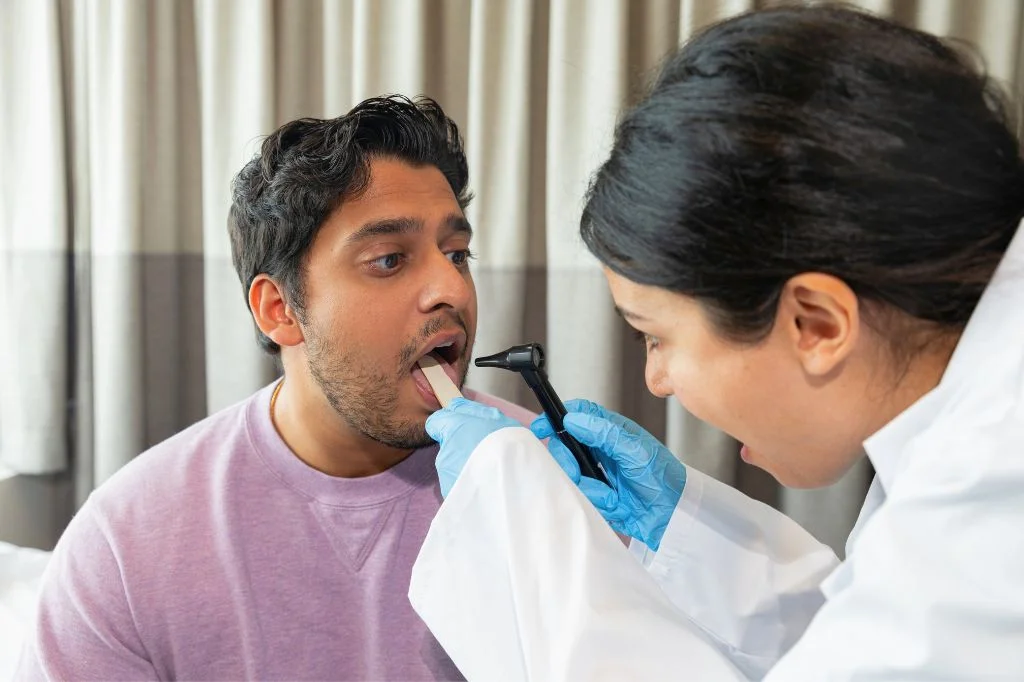
How Hydro Medical Can Help
If lifestyle adjustments don’t work, there may be a physical obstruction. During a consultation with an ENT specialist at Hydro Medical, we can examine your upper respiratory tract to check for enlarged tonsils, a deviated septum, or nasal polyps that might be exacerbating the issue. We can provide medical-grade nasal sprays to clear congestion or refer you for further treatment if Sleep Apnea is suspected.
Conclusion
Snoring in Bali is often a temporary side effect of “living the good life”—too much sun, fun, and drinks. However, if it persists and affects your quality of life (or your partner’s sanity), do not ignore it. A quick check-up can ensure your airway is clear and your nights are peaceful.
KEEPING YOUR PARTNER AWAKE?
Don’t let snoring ruin your holiday romance. Get checked for airway obstructions today.
Frequently Asked Questions
Can dehydration cause snoring?
Yes. When dehydrated, the mucus in your nose and throat becomes thicker and stickier, increasing surface tension and causing more vibration (noise) when you breathe.
Does sleeping with AC on make snoring worse?
It can. Dry, cold air from the AC can irritate the throat and nasal passages, leading to inflammation and mouth breathing, which triggers snoring.
Why do I only snore when I drink alcohol?
Alcohol relaxes the throat muscles specifically. If you have a naturally narrow airway, this relaxation causes the tissue to collapse just enough to vibrate, even if you don’t snore when sober.
Are nasal strips effective?
They help if your snoring is caused by nasal congestion (nose issues). They do not help if your snoring comes from the throat or tongue falling back.
Is snoring genetic?
Partially. Physical traits like a narrow throat, enlarged tonsils, or a large tongue can be inherited, predisposing you to snoring.
Can a heavy dinner cause snoring?
Yes. A full stomach puts pressure on your diaphragm, and digesting a heavy meal can affect sleep quality and muscle relaxation.
What is the difference between snoring and Sleep Apnea?
Snoring is sound caused by vibration. Sleep Apnea is when the airway completely closes, and breathing stops repeatedly during the night. Apnea is dangerous; simple snoring is mostly annoying.
Can losing weight stop snoring?
Often, yes. Excess weight, especially around the neck, puts external pressure on the airway, narrowing it. Losing weight reduces this tissue bulk.
Does Hydro Medical offer sleep studies?
Generally, we start with a physical ENT exam to rule out structural blockages. For comprehensive sleep studies (polysomnography), we may refer you to a specialized facility.
Is sleeping on my back bad for snoring?
Yes, it is the worst position. Gravity pulls the tongue and soft palate backward, directly blocking the airway. Sleeping on your side is much better.