
If you’ve searched for stem cell therapy in Bali, you’ve probably found a mix of wellness marketing and dense medical jargon, and not much in between. This page is meant to sit in that gap: a straightforward explanation of what the treatment actually involves, what it may realistically help with, and how to know if it’s worth exploring further before you commit to anything. We’d rather you finish this page with realistic expectations than a sales pitch.
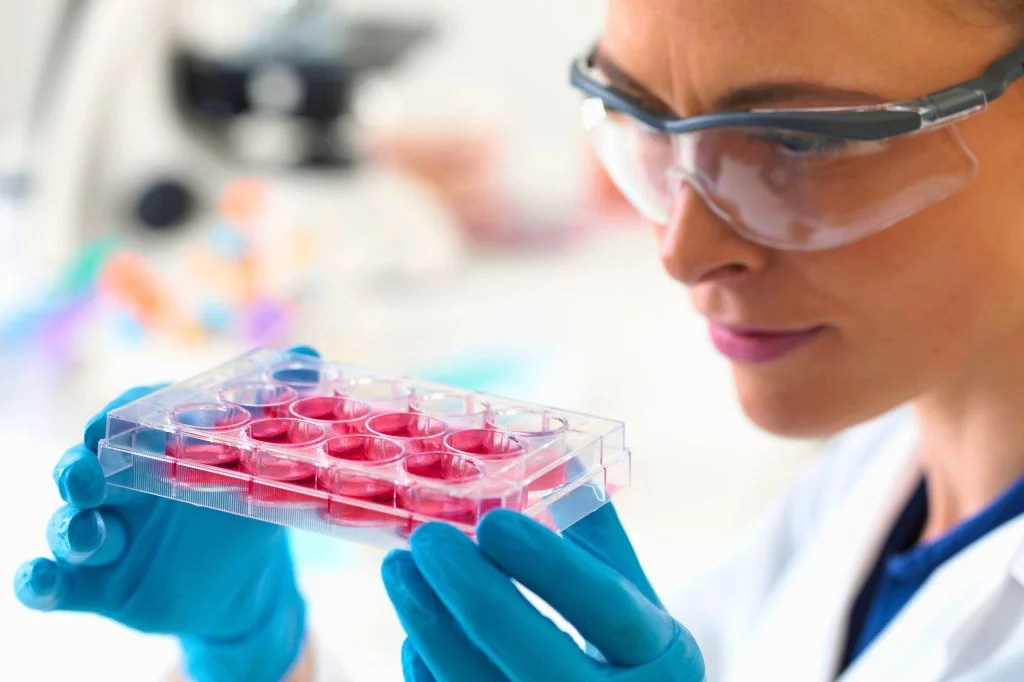
What Is Stem Cell Therapy?
At a basic level, regenerative therapy introduces cells, or the growth factors those cells release, into the body to help support its own repair processes and calm excess inflammation. The terminology can get confusing fast, since a few distinct ideas often get lumped together under the same “stem cell” label:
- Mesenchymal stem cells (MSCs): cells with the capacity to support tissue repair in several ways at once.
- Secretome and exosome therapy: a related but distinct approach, using the signaling molecules and growth factors that cells release rather than the cells themselves.
- How it’s delivered: either an IV infusion, which circulates throughout the body, or a targeted injection into a specific joint or area, depending on what’s being addressed. Either way, it’s an outpatient medical procedure administered by trained clinical staff, not a pill or topical product.
This is different from a stem cell transplant, used for serious conditions like leukemia and involving a full bone marrow replacement under intensive hospital care. What’s described here is a much lower-intervention outpatient treatment that supports the body’s own repair processes, not a replacement for them.
How Regenerative Therapy Works at Hydro Medical
The process generally follows three steps:
- Consultation and screening: our team reviews your health history and what you’re hoping to address, to confirm you’re a reasonable candidate before anything else happens. Not everyone is a good fit, and this step protects you from pursuing something unlikely to help your specific situation.
- The procedure: typically administered as an outpatient infusion or injection depending on what’s being treated, followed by a short observation period before you’re free to leave.
- Aftercare: most people are back to normal daily activities the same day. Your care team will walk you through any specific guidance relevant to your treatment, since this varies depending on exactly what was administered and where.
Regenerative therapy isn’t always a standalone treatment either. Many patients pair it with, or start with, physiotherapy in Bali. If you’re weighing which one to try first, that’s exactly what your consultation is for.
What Conditions Can It Help With?
The most defensible, evidence-grounded uses of this kind of therapy right now include:
- Chronic joint pain: ongoing knee, shoulder, or hip pain that keeps coming back despite rest or standard treatment.
- Slow-healing sports injuries: an injury that’s taking noticeably longer to heal than expected.
- General age-related wear and tear: persistent discomfort connected to joint or tissue aging rather than a single acute event.
If chronic joint pain that won’t go away sounds familiar, or you want the full list of conditions this treatment may help with, those are covered in more depth elsewhere. Research into broader applications, including autoimmune and neurological conditions, is still developing, so we don’t present this as treatment for anything needing specialist diagnosis and ongoing management.
Is It Safe?
Current clinical safety literature is genuinely reassuring on this point:
- What the research shows: recent systematic reviews of mesenchymal stem cell trials found no statistically significant increase in serious adverse events compared to standard care, and none of the reviewed trials reported severe or life-threatening reactions. Large-scale retrospective data has also shown very low rates of serious complications.
- What this doesn’t tell us: safety and effectiveness are different questions. Evidence for how well the treatment works varies by condition, some applications are well-supported, others are still genuinely experimental, and a treatment being generally safe doesn’t automatically mean it’s the right choice for your specific situation.
That distinction is part of why the initial consultation is a real screening step, not a formality. For a deeper look at risks and eligibility, see the dedicated article on this.
Who Is a Good Candidate?
Being a good candidate isn’t just about wanting relief, it’s about whether your specific situation is one where the evidence and clinical judgment line up in your favor.
- Reasonable candidates typically: have dealt with a persistent joint or soft-tissue issue for months rather than days, have already tried more conservative options like rest, physiotherapy, or standard pain management without lasting improvement, and don’t have underlying conditions that would make the procedure inadvisable.
- This may not be the right starting point if: you’re newly injured, your symptoms suggest something that needs a specialist diagnosis first, or you’re hoping for a guaranteed quick fix rather than a supportive treatment with a gradual timeline.
You don’t need to figure this out alone, our team will review your history and be honest if this isn’t the right fit for you.

What to Expect
Once you’ve decided to go ahead, here’s the practical side of things:
- The procedure itself: similar to a standard IV infusion or injection, mild discomfort at the site is common but it’s generally not described as painful.
- Downtime: typically minimal, most people resume normal daily activities the same day or the next, with specific aftercare guidance from your team based on exactly what was done.
- Results: not usually immediate. Because the treatment supports the body’s own repair processes rather than providing instant relief, improvement tends to develop gradually over the following weeks, and how much and how fast varies from person to person.
Your team will give you a realistic timeline during your consultation, not a generic one. For a fuller walkthrough of what happens during and after a session, see the dedicated article on this.
Wondering about what actually determines the cost? That’s covered separately too, message us on WhatsApp in the meantime for a personalized estimate.
Conclusion
Regenerative therapy isn’t a miracle fix, and it isn’t for everyone, but for the right situation, chronic joint pain or a slow-healing injury that hasn’t responded to more conservative care, it’s a legitimate option worth understanding properly before you decide. The safest way to figure out if that’s you is a real conversation with our team, not a generic answer on a web page.
Frequently Asked Questions (FAQ)
Is stem cell therapy the same as a stem cell transplant?
No. A transplant, used for conditions like leukemia, replaces bone marrow entirely under intensive hospital care. The regenerative therapy offered here is a much lower-intervention outpatient treatment aimed at supporting tissue repair and reducing inflammation, not replacing your body’s own cell production.
Is stem cell therapy painful?
Most people describe it as similar to a standard IV infusion or injection, mild discomfort at most. Your care team will walk you through what to expect beforehand, and let you know if any localized soreness afterward is normal for your specific treatment.
How is this different from a regular vitamin IV drip?
A vitamin IV drip replenishes hydration and nutrients, and any effect is generally felt quickly. Regenerative therapy works differently, aiming to support the body’s own repair and anti-inflammatory processes over a longer timeline, rather than simply supplying vitamins for a short-term boost.
How soon will I notice a difference?
This varies significantly by person and by what’s being treated, and we’d rather be honest about that than promise a specific timeline upfront. Some people notice gradual improvement over several weeks, others take longer, and your team will discuss what’s realistic for your situation during your consultation.
How is this different from PRP (platelet-rich plasma) therapy?
PRP uses concentrated platelets from your own blood, a different mechanism from mesenchymal cells or secretome. If you’re weighing the two, our dedicated comparison covers it in more depth.
What’s the first step if I want to explore this?
Message our team on WhatsApp with a brief description of what you’re hoping to address. We’ll let you know honestly whether a consultation makes sense before anything else.
Considering regenerative therapy but not sure if it’s the right fit? Reach out to Hydro Medical and our team can talk through your situation before you decide anything.