
If you’ve been in Bali for more than a week or two, you’ve likely spent more time in direct sun than you would in a whole month back home, and it adds up faster than it feels. Our dermatologist in Bali sees this pattern often, in both short-term visitors and people who’ve settled here long-term, which is exactly why regular mole checks are worth building into your routine here.

The Sun Here Adds Up Faster Than It Feels
Bali sits close to the equator, so the sun is more direct and consistent year-round than in most places travelers or expats come from. There’s no mild season, UV stays high most days, which catches people off guard if they’re used to judging sun strength by the weather back home.
A two-week holiday concentrates a lot of exposure into a few days, while long-term expat living removes the seasonal breaks people usually get to recover. Either way, it adds up, and none of this means changing your travel plans, just treating a mole check like a routine habit, similar to a dental cleaning, rather than waiting for a problem to become obvious.
Early Detection Changes the Outcome
According to the American Academy of Dermatology, an estimated one in five Americans will develop skin cancer in their lifetime, and when it’s caught early, it’s highly treatable. That’s really the entire case for regular checks, catching something small and manageable is a very different situation from waiting until it’s already changed noticeably.
“Regular” doesn’t mean anxious. It’s more like a routine health habit than an emergency response, something scheduled well ahead of time rather than triggered by worry.
Some People Carry More Risk Than Others
Anyone can develop skin cancer, but a few factors mean it’s worth prioritizing the habit sooner rather than later:
- Fair or freckle-prone skin that tends to burn rather than tan
- Long-term expats accumulating years of exposure without the seasonal breaks people get at home
- Anyone with a lot of moles, simply more surface area to keep track of
- A family history of skin cancer
None of this means people outside these groups should skip it, just that these groups have a bit more reason to make it a near-term priority rather than something to get to eventually.
Inside a Professional Mole Check
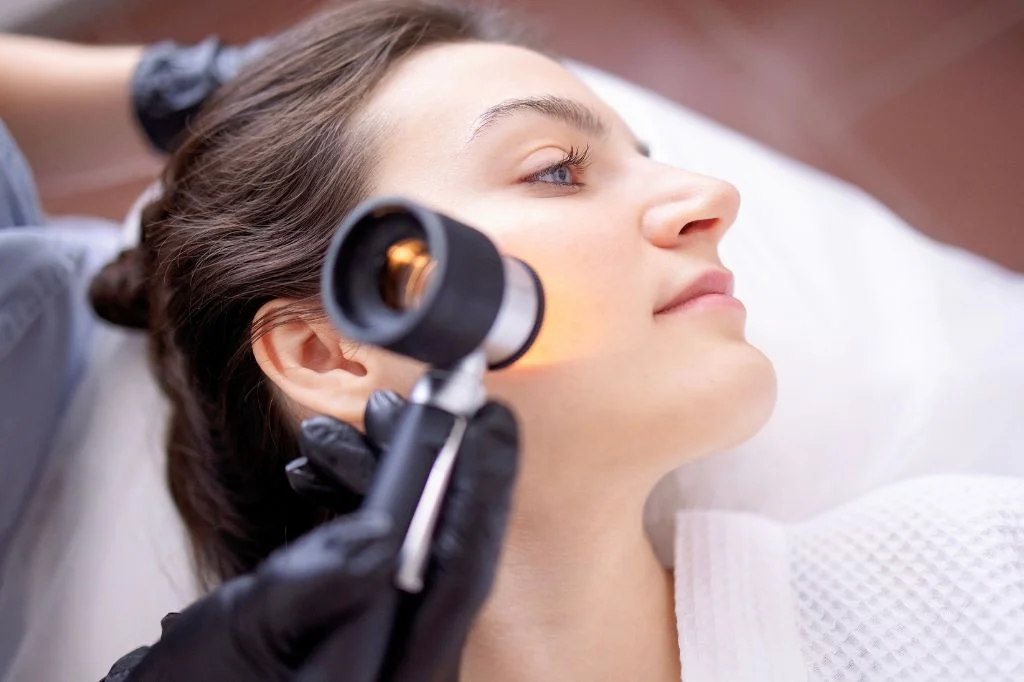
A professional check is a visual review of your skin plus dermoscopy, a non-invasive magnification method that lets a dermatologist see structures invisible to the naked eye. It’s what makes the difference between a quick glance and an actual, trained assessment, and the whole process is quick and painless.
For readers who want to go deeper before their visit, our upcoming ABCDE rule guide covers what to watch for between checks, and our dermoscopy explainer breaks down how the technology itself works.
How Hydro Medical Helps
At Hydro Medical, mole checks are dermoscopy-based, carried out by a dermatologist trained to tell benign moles apart from anything that warrants closer attention. Our English-fluent team sees this across our clinics in Canggu, Seminyak, and Kuta, so nothing gets lost in translation when discussing your specific skin.
There’s no pressure and no drama to the process, it’s a straightforward check, and if anything does need a closer look, you’ll hear exactly what that involves before deciding anything, whether it’s your first visit, a routine annual one, or anything in between.
Frequently Asked Questions (FAQ)
How much sun exposure actually raises skin cancer risk?
There’s no single safe threshold, but cumulative exposure over time, both from short intensive holidays and long-term living somewhere sunny, is what matters most, not any one afternoon.
How often should I get a mole check while in Bali?
Roughly once a year for most people is a reasonable baseline, more often if you have several risk factors or a family history.
Can I just check my own moles instead of seeing a dermatologist?
Self-awareness of your own skin is genuinely useful between visits, but it doesn’t replace a professional check using proper tools and training.
What does a professional mole check actually involve?
A visual review of your skin plus dermoscopy, a non-invasive magnification method that lets a dermatologist see structures invisible to the naked eye.
Is skin cancer common in tourists and expats in Bali?
Anyone can develop skin cancer regardless of where they live, and people spending extended time in strong sun without their usual routine of checks are a group worth paying particular attention to.
Do I need a check if none of my moles look unusual to me?
Yes, that’s the point of a professional check, some changes are subtle enough that a trained eye and dermoscopy catch what a casual glance wouldn’t.
Does wearing sunscreen make regular mole checks unnecessary?
No, sunscreen reduces damage going forward, it doesn’t address existing moles or catch changes that may already be underway.
Is a mole check painful or invasive?
No, it’s a visual and dermoscopic examination, not a procedure, nothing about it should be uncomfortable.
Is the consultation private?
Yes, every consultation is private.
A few minutes now is a small trade for real peace of mind about your skin.