
Vacation habits in the tropics often include a surge in social smoking, yet few consider the impact on their oral hygiene. Prioritizing proactive dental care in Bali is essential, as nicotine can cause rapid, hidden damage to your teeth and gums. Understanding these risks ensures your holiday isn’t overshadowed by preventable dental complications.
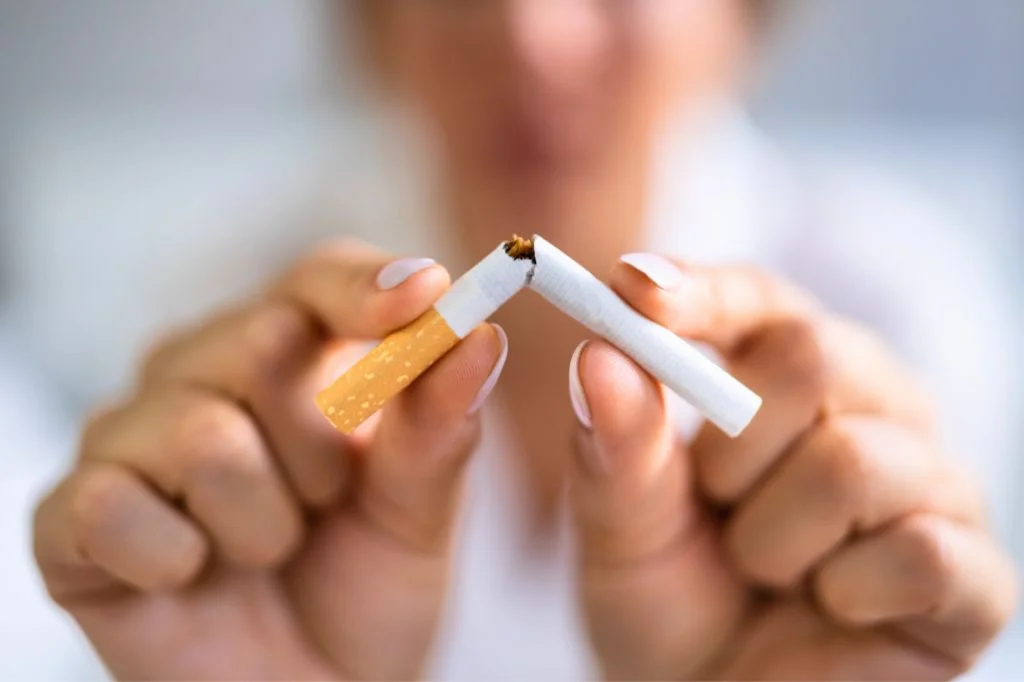
The Hidden Impact: Why Smoking and Tropical Vacations Don’t Mix
The combination of Bali’s tropical heat and nicotine consumption creates a “perfect storm” for your mouth. Nicotine is a potent vasoconstrictor that limits blood flow and oxygen delivery to your gums. When paired with the dehydration common after a day in the sun, your mouth’s ability to flush out bacteria through saliva is severely compromised.
Aesthetic Concerns: Fighting Nicotine Stains and “Smoker’s Breath”
For many travelers, the most immediate consequence of smoking is the rapid aesthetic decline of their smile. Tar and nicotine settle into the microscopic pores of tooth enamel, turning a bright smile yellowish-brown within weeks. This process is often worsened by:
- The “Stain Bond”: Bali’s vibrant cafe culture provides coffee and cocktails that bond to sticky nicotine residue.
- Persistent Odor: “Smoker’s breath” is a sign of chemical buildup and dry mouth that standard gum or mints cannot fix.
- Enamel Porosity: Tropical heat can increase oral temperature, potentially making enamel more receptive to surface pigments.
Masked Symptoms: Why Smokers Often Ignore Gum Disease
Perhaps the most dangerous way of smoking that affects oral health is its ability to hide the warning signs of infection. Because nicotine restricts blood flow, the typical signs of gingivitis are often absent, leading to a dangerous state of false security:
- Lack of Bleeding: Nicotine prevents the gums from bleeding even when severely inflamed, masking the primary sign of gum disease.
- Pale Appearance: Instead of looking red and swollen, a smoker’s gums may look falsely “firm” and pale while the bone underneath is deteriorating.
- Advanced Progression: Without visible symptoms, travelers often skip their dental check-up, allowing periodontitis to reach an advanced stage unchecked.
The Risk of Healing Delays and Post-Treatment Complications
If you are a medical tourist or require an emergency procedure, smoking presents a critical risk to your recovery. Reduced oxygen in your bloodstream slows down the body’s repair mechanisms, making you more susceptible to infections. Furthermore, understanding common dental myths regarding recovery is vital; for instance, smoking after an extraction significantly increases the risk of “Dry Socket,” where the protective blood clot fails, exposing bone and nerves.
Practical Solutions: Restoring Your Smile in Bali
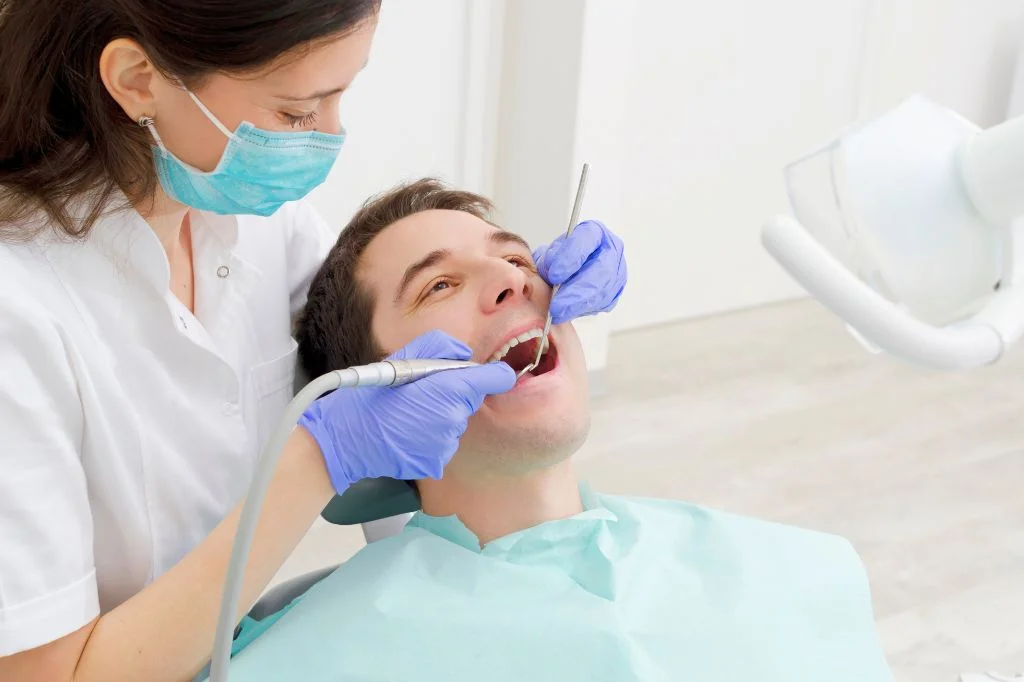
Fortunately, the effects of vacation smoking can be managed with professional intervention. Modern scaling and airflow polishing at an international dental clinic in Bali are designed to remove stubborn nicotine stains that regular brushing cannot touch. By adhering to strict dental safety standards, professional cleanings effectively reset your oral health and refresh your smile before you head home.
Conclusion
While social smoking may feel like a temporary holiday indulgence, its effects on your gums and teeth require professional attention to prevent long-term damage. Trusting the experts at Hydro Medical for a post-vacation refresh ensures your smile remains as vibrant as your travel memories.
RESTORE YOUR BRIGHTEST SMILE.
Noticing yellow stains or gum sensitivity after your Bali nights? Our professional airflow polishing and scaling can remove deep nicotine buildup and refresh your breath in a single comfortable session.
Frequently Asked Questions (FAQ)
How exactly does smoking stain my teeth during vacation?
Nicotine and tar settle into enamel pores, turning yellow or brown when exposed to oxygen. This is often accelerated by the heat and beverages consumed during your stay.
Can a professional cleaning remove all nicotine stains?
Professional scaling and airflow polishing are highly effective at removing surface stains. For deeper internal discoloration, professional whitening treatments may be recommended.
Why don’t my gums bleed when I smoke?
Nicotine constricts blood vessels, which hides the inflammation and bleeding typical of gum disease. This makes it easy for smokers to overlook serious underlying issues.
Is it safe to smoke after a dental cleaning?
It is recommended to wait at least 24 to 48 hours to allow gum tissue to heal. Smoking immediately can cause irritation and lead to rapid re-staining of the enamel.
How does smoking affect dental implants?
Smoking hinders the bone’s ability to integrate with the implant and reduces the success rate of gum healing. This significantly increases the risk of total implant failure.
Does vaping have the same effect on oral health?
While it lacks tar, vaping contains nicotine which reduces blood flow and causes chronic dry mouth. This environment increases the risk of bacteria growth and tooth decay.
What is “smoker’s breath”?
It is caused by chemical residue in the oral cavity combined with chronic dry mouth. Professional cleaning and maintaining high hydration levels are the most effective remedies.
Can smoking increase the risk of tooth loss?
Yes, tobacco use is a leading cause of severe periodontitis which destroys the bone supporting your teeth. This damage eventually leads to tooth mobility and potential loss.
How long before a procedure should I stop smoking?
Dentists suggest stopping at least one to two weeks before and after surgery to ensure proper healing. This is critical for the success of extractions and dental implants.
Why are smokers more prone to “Dry Socket”?
Smoking reduces blood supply to the extraction site, and the “sucking” motion can dislodge the protective blood clot. This leads to a painful condition where nerves and bone are exposed.