
If you’ve noticed red, itchy skin — sometimes with small blisters or dry, scaly patches — showing up in a specific spot where a new sunscreen, product, or plant touched you, you’ve likely come across contact dermatitis, one of the more common forms of Bali rash. It’s common, rarely serious, and usually traceable once you know what to look for — starting with what it actually looks like.
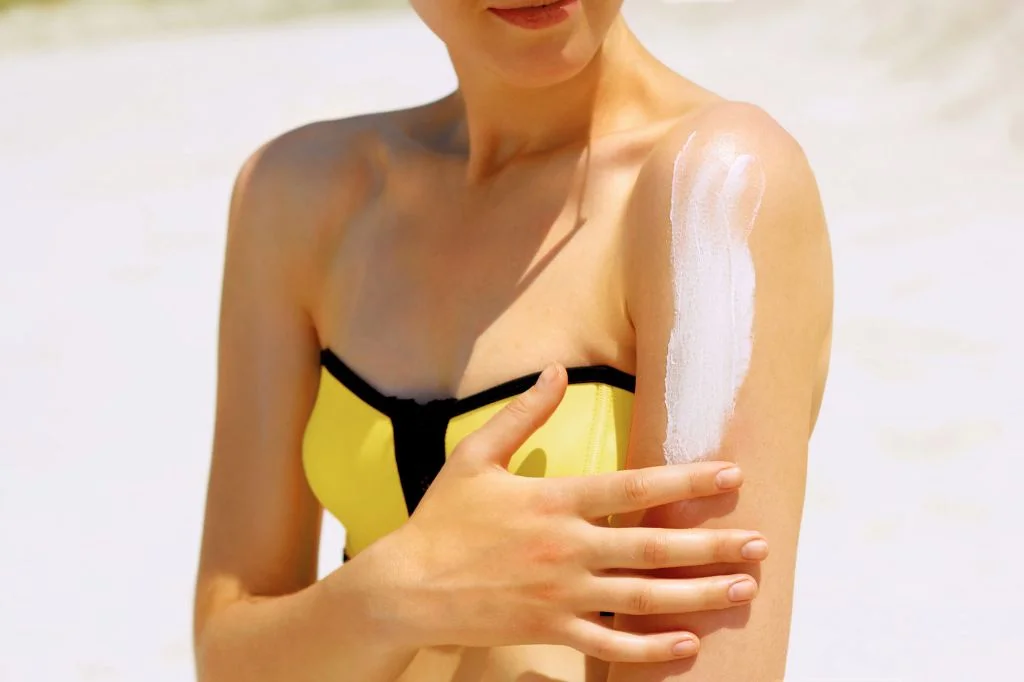
What Contact Dermatitis Looks Like
Contact dermatitis shows up as redness and itching, sometimes with small blisters or dry, scaly patches, typically confined to the exact area that touched the trigger. A line where a new sunscreen was applied, a ring or watch strap, a patch where a plant brushed against your skin, or an outline around a piece of jewelry are all classic shapes — the location often tells you as much as the appearance does. It can technically show up anywhere, but the face, wrists, feet, and scalp come up most often, simply because that’s where new products, sandals, and haircare tend to make first contact.
Two Types: Irritant vs. Allergic Contact Dermatitis
There are actually two different mechanisms behind contact dermatitis, and they behave differently. Irritant contact dermatitis can happen to almost anyone with enough exposure to something harsh — this is the more common type while traveling, since your skin is meeting a lot of new products and conditions at once. Allergic contact dermatitis, on the other hand, only affects people who’ve developed a specific sensitivity to that substance, and it can show up immediately or be delayed 24 to 72 hours, which is part of why people often can’t place the cause right away.
Common Triggers for Travelers in Bali
A few culprits come up again and again in travelers, often because your skin is meeting several of them for the first time in the same week:
- Chemical sunscreen filters — especially formulas you haven’t used before, applied daily in stronger sun than you’re used to
- New tropical skincare or spa products — coconut oil, herbal scrubs, and other treatments your skin isn’t accustomed to
- Insect repellent — active ingredients like DEET can irritate sensitive skin with repeated daily use
- Pool chlorine — extended time in treated water can dry out and irritate skin, especially with sunscreen layered on top
- Certain plants and leaves — including some used in traditional spa treatments, which can trigger a reaction on contact
- Nickel in jewelry — rings, watches, or anklets worn more often in vacation heat and humidity
- Hotel laundry detergent — fresh bedding and towels washed in an unfamiliar detergent can irritate skin overnight
Contact Dermatitis vs. Other Bali Rashes
Contact dermatitis is easy to confuse with other reactions until you look at the pattern. It differs from heat rash, which is widespread small bumps from trapped sweat rather than a specific contact area, and from tinea versicolor, which is flat and pale rather than itchy and red. It’s also different from lime burn, which is streaky and tied to sun plus citrus specifically, and from insect bites, which show up as isolated puncture marks rather than a shape that matches where a product or plant touched you. Mayo Clinic‘s overview of contact dermatitis confirms this same irritant-versus-allergic distinction, and how closely the reaction pattern usually tracks back to a specific contact point.
Can You Treat It at Home, or Should You See a Dermatologist?
Removing or avoiding the suspected trigger is the first and most important step — nothing else works as well if you’re still using the product that caused it.
At home:
- Cool compresses can calm redness and irritation
- A fragrance-free moisturizer helps support the skin barrier while it heals
- Over-the-counter hydrocortisone cream can ease itching for mild cases, used short-term
See a dermatologist if:
- The rash is spreading beyond the original contact area
- It’s not improving after you’ve removed the suspected trigger
- There’s blistering or oozing
- It keeps coming back on future trips without an obvious cause
Most cases settle down within days once the trigger is identified and avoided. A same-day visit is usually enough to identify the likely trigger and get a clear treatment plan, rather than cycling through guesses on your own for the rest of the trip.
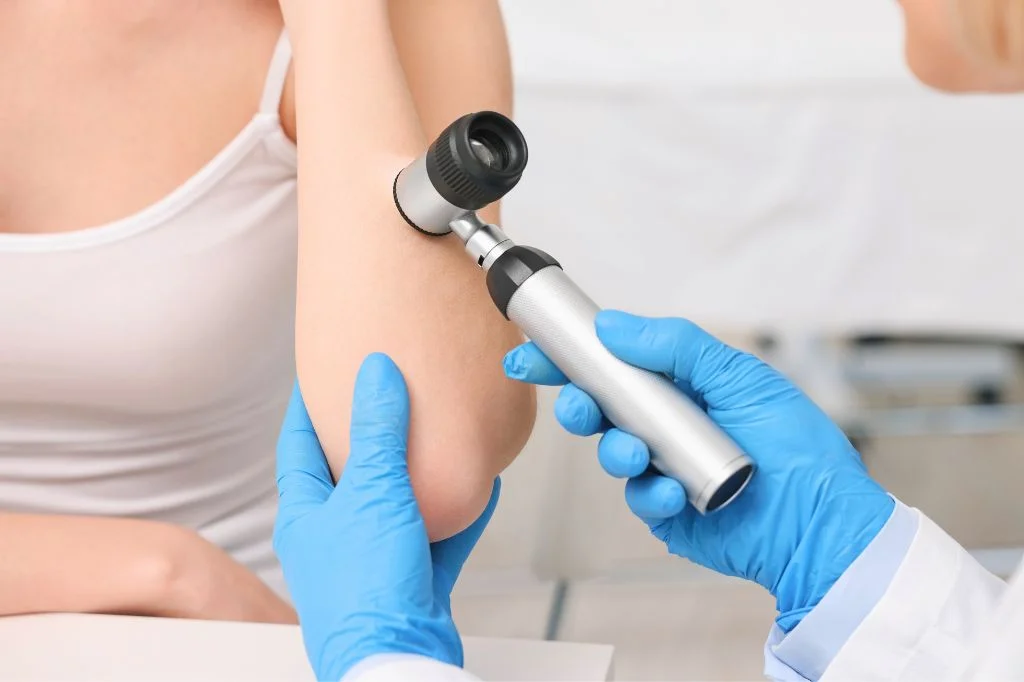
How Hydro Medical Treats Contact Dermatitis
A dermatologist in Bali at Hydro Medical can examine the affected area, help identify the likely trigger, and recommend treatment to calm the reaction — including topical treatment when appropriate — along with practical guidance on what to avoid for the rest of your trip. Every consultation is private, and our team is fluent in English, with same-day appointments available across Canggu, Seminyak, and Kuta.
Frequently Asked Questions (FAQ)
What is contact dermatitis?
Contact dermatitis is skin irritation or an allergic reaction that happens where something — a product, plant, or material — directly touches your skin. It shows up as redness, itching, and sometimes small blisters or dry, scaly patches confined to that contact area.
What’s the difference between irritant and allergic contact dermatitis?
Irritant contact dermatitis can happen to almost anyone with enough exposure to something harsh, like a strong product or chlorine. Allergic contact dermatitis only affects people who’ve developed a specific allergy to that substance, and the reaction can be delayed 24 to 72 hours after contact.
Why does this happen so often to travelers in Bali?
Trying new sunscreens, skincare, spa products, and repellents all at once, combined with heat, humidity, and sun exposure, increases the chances of your skin reacting to something it isn’t used to.
How do I figure out what caused it?
Think back to anything new that touched that exact area in the past few days — a new sunscreen, jewelry, plant contact, or product. A dermatologist can also help narrow it down if it’s not obvious.
Can sunscreen really cause this?
Yes. Certain chemical sunscreen filters are a common trigger, especially for skin not used to them. Switching to a mineral (zinc oxide or titanium dioxide) sunscreen often helps if this keeps happening.
Will it go away on its own?
Mild cases often improve within a few days to a couple of weeks once the trigger is removed. It can persist or worsen if you keep using the same product without realizing it’s the cause.
Can I use hydrocortisone cream from the pharmacy?
Over-the-counter hydrocortisone can help mild itching and redness for a short period. If it’s not improving, spreading, or blistering, it’s worth having a dermatologist take a look rather than continuing to self-treat.
Is contact dermatitis contagious?
No. It’s your skin reacting to something that touched it directly, not an infection, so there’s no risk of it spreading to anyone else.
When should I see a dermatologist instead of waiting it out?
If the rash is spreading beyond where the trigger touched, isn’t improving after you’ve removed the suspected cause, is blistering or oozing, or keeps recurring without an obvious explanation.
How can I avoid this for the rest of my trip?
Patch-test new products on a small area of skin before full use, stick to fragrance-free and mineral-based products when possible, and avoid re-wearing jewelry or applying products that seemed to trigger a reaction previously.
Contact dermatitis is common, rarely serious, and usually traceable to a specific product or trigger — Hydro Medical’s dermatologists are available across Canggu, Seminyak, and Kuta for private, same-day consultations.