
If your sunburn has blistered, feels hot well beyond where the sun actually touched you, or comes with symptoms beyond your skin, you’ve moved past the mild, pink shoulders most people mean when they mention Bali rash and sun irritation.
Equatorial sun here is stronger than most visitors’ skin is used to, and while a bad sunburn is common, one that blisters or comes with fever, chills, or nausea is a different situation, worth taking seriously rather than just waiting it out with aloe vera.

What Makes This More Than a Normal Sunburn
Ordinary sunburn is uncomfortable but predictable: skin turns pink or red, feels warm and tender, and settles within two to three days with basic care. The more serious end of the spectrum, sometimes called sun poisoning even though it isn’t literally poisoning, blisters across a meaningful area, stays hot well beyond the burn’s edges, and can bring fever, chills, nausea, or a headache alongside the skin itself. Severity, not any single symptom alone, is what determines the next step.
Occasionally, what looks like an unusually severe sunburn is actually lime burn, caused by citrus meeting sunlight rather than sun exposure alone, so it’s worth considering if citrus touched your skin beforehand.
Why It Escalates Faster in Bali Than Back Home
A few things push sunburn further here than most travelers are used to. Bali sits close to the equator, where UV intensity is simply stronger than in most visitors’ home climates, so skin adapted to milder sun, especially fair or previously untanned skin, burns faster and more severely than expected.
Long, uninterrupted beach or pool days without shade breaks add up quickly, and alcohol, common on a beach day, is dehydrating in a way that blunts your ability to notice early warning signs until the burn is already significant.
Sunscreen also needs reapplying far more often in this climate than most people are used to, especially after swimming or sweating, and skipping that step is one of the most common reasons a burn goes from manageable to severe.
Red Flags: When to See a Dermatologist
Any one of the following is reason enough to get seen, rather than waiting for all of them to show up at once:
- Blistering over a large area of skin, or any blistering on your face (small, isolated blisters are more common and less concerning than widespread ones)
- Fever or chills alongside the burn, which point to a whole-body reaction rather than skin-only irritation
- Nausea, vomiting, or a pounding headache, especially combined with the burn itself
- Signs of dehydration, such as dizziness, a dry mouth, or noticeably reduced urination, since severe sun exposure and fluid loss often go hand in hand
- Confusion or unusual drowsiness, which should be treated as urgent rather than something to sleep off, even late at night
- Skin that looks infected a day or two in, with increasing pain, spreading warmth, or any pus, rather than gradual improvement
None of these need to happen all at once; one is enough to justify getting it looked at rather than waiting to see if it gets worse. NHS‘s guidance on sunburn lists a similar set of warning signs, if you’d like a second reference point.
First Aid While You Arrange Care
While you’re arranging a consultation, a few simple steps make a real difference to comfort and reduce the risk of the burn getting worse:
- Cool compresses, not ice. Ice can shock already-damaged skin further, while a cool, damp cloth calms the burn without adding to the trauma
- Steady fluids, prioritizing water and electrolytes over alcohol or sugary drinks, and an oral rehydration solution if you have one, to replace what a bad burn and Bali’s heat are both pulling from your body
- Leave blisters intact. Popping them removes the skin’s natural barrier and raises the risk of infection
- Loose, breathable clothing over the area, rather than anything tight or synthetic that traps heat against the skin
- No further sun exposure at all until it’s fully healed, even with sunscreen on
These steps buy you comfort and time. They’re first aid on the way to an assessment, not a substitute for one, especially if any of the red flags above are also present.
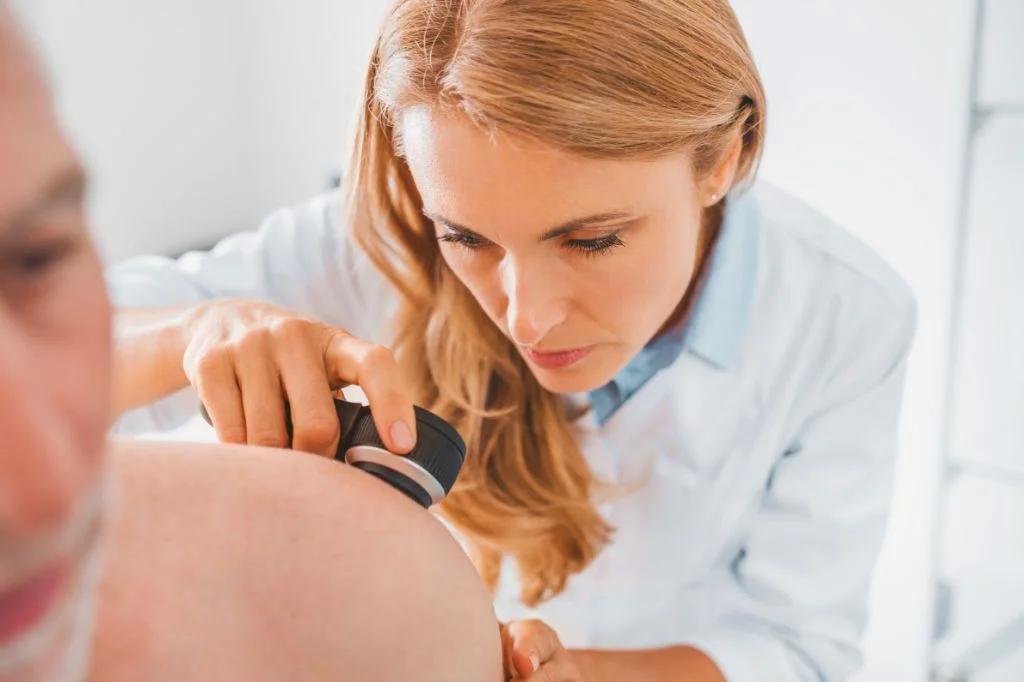
How Hydro Medical Treats Severe Sunburn
A dermatologist in Bali at Hydro Medical assesses burn severity and blister risk directly, rather than defaulting to generic aftersun advice. That means ruling out dehydration or an infection risk that needs more than topical care, providing wound care and pain management suited to how deep and extensive the burn actually is, and giving you clear follow-up guidance for the days after your visit.
Every consultation is private, and our team is fluent in English, with same-day appointments available across Canggu, Seminyak, and Kuta.
Frequently Asked Questions (FAQ)
How do I know if my sunburn is bad enough to see a doctor?
If you have blistering over a large area, fever, chills, nausea, dizziness, or the skin looks infected (increasing pain, warmth, or pus), it’s worth getting seen rather than waiting it out. Ordinary sunburn without these signs usually settles with home care in a few days.
What is sun poisoning, exactly?
It’s not literal poisoning. It’s a severe sunburn reaction with whole-body symptoms like fever, chills, nausea, or dehydration alongside the burn itself, rather than skin-only discomfort.
Is it normal for a bad sunburn to blister?
Occasional small blisters can happen with a significant burn, but widespread blistering, especially with other symptoms, points toward a more severe reaction worth having assessed.
Should I pop the blisters?
No. Popping blisters removes the skin’s natural barrier and increases the risk of infection. Leave them intact and let a professional advise on care if they’re extensive.
Can dehydration make sunburn worse?
Yes. Sun exposure and heat already pull fluid from your body, and a significant burn adds to that fluid loss, which is part of why fever, dizziness, or nausea can appear alongside a severe burn.
How long does severe sunburn take to heal?
Mild sunburn often settles in 2-3 days. More severe, blistering sunburn can take one to two weeks, and healing time is one of the things a dermatologist can help you manage properly.
Can I still get sunburned on a cloudy day in Bali?
Yes. UV can pass through cloud cover, and many tourists underestimate exposure on overcast days, which is a common reason people are surprised by how severe their burn turns out to be.
Will alcohol make my sunburn feel worse?
Alcohol contributes to dehydration, which can worsen both the discomfort and the whole-body symptoms that come with a more severe burn, even though it doesn’t affect the burn itself directly.
What should I avoid putting on a severe sunburn?
Avoid ice directly on the skin, petroleum-based or heavy oily products that trap heat, and anything untested on broken or blistered skin. A dermatologist can advise on what’s appropriate for your specific burn.
Can I get treated for sunburn the same day in Bali?
Yes, Hydro Medical offers private, same-day dermatologist consultations across Canggu, Seminyak, and Kuta for sunburn and other skin reactions. If your skin still isn’t back to normal well after the sunburn itself has healed, our persistent rash guide walks through what that can mean.
Blistering or feverish, a severe sunburn is worth an actual assessment rather than guesswork with aloe vera and painkillers. Hydro Medical’s dermatologists are available across Canggu, Seminyak, and Kuta for private, same-day consultations, whether you want reassurance that a bad burn is healing normally or hands-on care for one that isn’t.