
If you’ve had a scaly, ring-shaped patch, or a pale patch that never quite matches your tan, and it hasn’t cleared up with a basic cream, you may be dealing with a fungal skin infection rather than one of the more common causes of Bali rash and sun irritation.
Fungal infections are genuinely common in this climate, thriving in the same heat and humidity that make Bali so appealing to visit, but they need an actual antifungal approach to clear properly, not just something to calm the itching while the underlying cause keeps growing underneath.

Why Fungal Infections Need More Than a Generic Cream
A steroid-based anti-itch cream can make a fungal infection spread further even while it calms the itching, since steroids dial down your skin’s local immune response right where it’s needed to keep the fungus in check. Moisturizer alone doesn’t treat the underlying cause either. Clearing it properly means the right antifungal, at the right strength, for long enough to actually finish the job, not just until the itching settles down.
According to CDC, ringworm spreads through direct skin-to-skin contact, shared towels or clothing, or contact with an infected animal, and thrives in warm, humid conditions much like Bali’s climate, which is part of why the wrong cream so often lets it come straight back.
The Fungal Infections We See Most in Bali Travelers
Fungal infections aren’t one single condition. A few distinct presentations come up again and again among travelers here, each looking and behaving a little differently:
- Tinea versicolor: pale or discolored patches, usually on the back, chest, or shoulders, more noticeable once you’ve tanned around them, and rarely itchy even though it can look alarming
- Ringworm (tinea corporis): a raised, ring-shaped, often itchy rash that can appear almost anywhere on the body, with a clearer edge than the center of the patch
- Athlete’s foot (tinea pedis): itching, cracking, or peeling skin between the toes, common after days spent in wet sandals, shared pool areas, or shoes that don’t fully dry out overnight
Tinea versicolor is the one we treat most often here, since the same heat and humidity that make Bali so appealing also make it slow to clear without a proper antifungal approach.
Our Treatment Process
A dermatologist in Bali at Hydro Medical confirms exactly which fungal infection you have before recommending treatment, then works with you through:
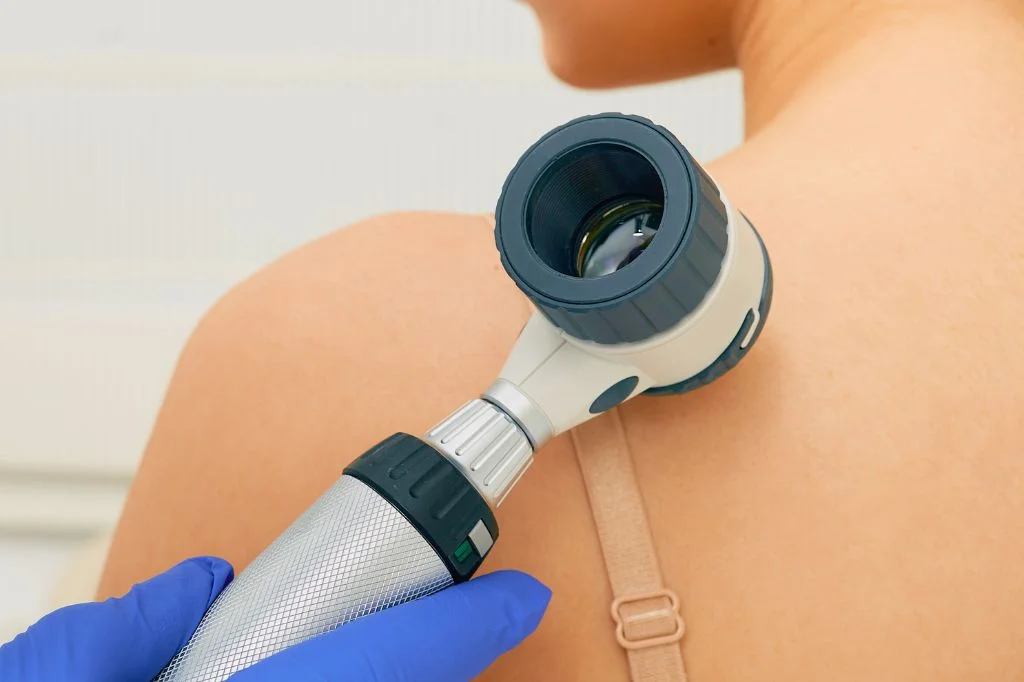
- A visual exam, sometimes supported by dermoscopy or a simple skin scraping, for an accurate diagnosis
- A tailored plan: topical antifungal for most localized cases, oral antifungal for anything more widespread or resistant
- Clear guidance on applying treatment correctly, since inconsistent use is a common reason cases take longer than they should to clear
Every consultation is private, and our team is fluent in English, with same-day appointments available across Canggu, Seminyak, and Kuta. Each visit also includes practical guidance on preventing a repeat infection once yours has cleared, rather than just a prescription and a goodbye.
How Long Treatment Takes & What to Expect
Topical treatment typically clears a localized infection within two to four weeks, though tinea versicolor’s discoloration can take longer to fully even out even once the fungus itself is gone, since skin pigment recovers more slowly than the infection clears. More widespread or stubborn cases may need oral antifungal medication instead, which your dermatologist will discuss based on what’s actually being treated and how extensive it is.
The most common reason treatment doesn’t fully work is stopping early once the itching or visible patch improves, well before the fungus is actually cleared. Finishing the full course, even after it looks better, is what actually prevents the infection from coming straight back within weeks of stopping too soon.
Preventing It From Coming Back on Future Trips
Fungal infections are notorious for returning on future trips to warm, humid places, but a few habits make a real difference:
- Keep skin dry, especially in skin folds and between the toes, since fungus thrives on trapped moisture more than on dry skin
- Choose breathable, moisture-wicking fabric over tight synthetic clothing, especially on hot, humid, or high-activity days, and change promptly once damp
- Treat any new patch promptly rather than waiting to see if it goes away on its own, since early treatment is faster, cheaper, and simpler than treating an established infection
- Expect tinea versicolor in particular to recur in humid climates even after successful treatment, so one clear course doesn’t always mean it’s gone for good, especially on repeat trips to the tropics
If you’re still not sure whether what you’re seeing is fungal or something else entirely, our Fungal vs Allergic guide walks through the difference.
Frequently Asked Questions (FAQ)
How do I know if I have a fungal skin infection?
Common signs include a ring-shaped rash with a raised edge, persistent scaling or flaking, or pale patches that don’t respond to regular moisturizer. A dermatologist can confirm with a quick visual exam or skin scraping.
What’s the difference between tinea versicolor and ringworm?
Tinea versicolor causes pale or discolored patches, usually on the back, chest, or shoulders, and isn’t usually itchy. Ringworm (tinea corporis) causes a raised, ring-shaped, often itchy rash and can appear anywhere on the body. Both are fungal but treated slightly differently.
Can I treat a fungal infection with an over-the-counter cream?
Mild cases sometimes respond to over-the-counter antifungal creams, but incorrect diagnosis or a case that actually needs oral treatment is common, especially if it keeps coming back. A dermatologist can confirm you’re using the right treatment for the right infection.
How long does fungal infection treatment take?
Topical antifungal treatment usually takes two to four weeks to fully clear an infection. More widespread or stubborn cases may need oral antifungal medication, which your dermatologist will discuss based on your specific case.
Why did my fungal infection come back after treatment?
Fungal infections often return if treatment is stopped too early once symptoms improve, or if the humid conditions that caused it in the first place aren’t addressed afterward. Completing the full course and following the prevention guidance your dermatologist gives you both matter for keeping it from resurfacing.
Is ringworm contagious?
Yes, ringworm can spread through direct skin contact or shared towels and clothing. It’s worth having it properly diagnosed and treated promptly to avoid passing it on to travel companions.
Can heat and humidity in Bali cause fungal infections?
Yes, warm and humid conditions are ideal for fungal growth, which is part of why tinea versicolor and similar infections are so common among travelers here, even those who’ve never had one before arriving.
Do I need a prescription for fungal infection treatment in Bali?
Stronger topical or oral antifungal medications typically require a prescription, which our dermatologists can provide directly after an in-person assessment.
Can I keep swimming or exercising while being treated?
Usually yes, with some precautions, such as keeping the area dry afterward, changing out of wet clothing promptly, and following your dermatologist’s specific guidance, since sweat and trapped moisture can slow healing considerably.
Can I get treated for a fungal infection the same day in Bali?
Yes, Hydro Medical offers private, same-day dermatologist consultations across Canggu, Seminyak, and Kuta for fungal infections and other skin conditions.
A proper diagnosis is what actually gets a fungal infection to clear and stay cleared. Hydro Medical’s dermatologists are available across Canggu, Seminyak, and Kuta for private, same-day consultations.