
Sitting down to enjoy Bali’s famous Bebek Betutu only to taste nothing but texture is a culinary nightmare. Sudden loss of smell, or anosmia, turns vibrant flavors into bland disappointment, often triggered by tropical humidity or viral remnants. While distressing, understanding the cause through proper medical standards for ENT care is the first step to knowing that this condition is usually temporary and treatable.

The Science Behind Flavor and Smell
To understand why your food tastes like cardboard, you must distinguish between “taste” and “flavor.” Your tongue is actually a blunt instrument; it can only detect five basic sensations: sweet, salty, sour, bitter, and umami.
The rich complexity of “flavor”—the smokiness of satay, the floral notes of Balinese coffee, or the zest of lemongrass—comes entirely from your nose. This process, called retro-nasal olfaction, occurs when aromas travel from the back of your throat up to your nose while you chew.
If your nose is blocked or the olfactory nerves are offline, 80% of your tasting ability vanishes instantly, leaving you with only the basic “salty” or “sweet” sensation on the tongue.
Common Causes of Smell Loss in Bali
In a tropical environment, several factors can cause the connection between your nose and brain to “go dark”:
- Tropical Sinus Blockage: The high humidity in Bali often triggers sinus swelling from humidity. When the turbinates (nasal linings) swell, they physically block odor molecules from reaching the smell receptors located at the very top of your nasal cavity.
- Post-Viral Inflammation: Whether it is a common cold or a lingering effect of COVID-19, viruses can attack the supporting cells of the olfactory nerve. Even after your nose is no longer runny, the nerve may remain “stunned” for days or weeks.
- Air Conditioning Dryness: Moving constantly between humid outdoors and dry, air-conditioned rooms can cause dryness affecting the throat and nose. Without a moist layer of mucus, odor molecules cannot dissolve and bind to your smell receptors effectively.
- Nasal Polyps: These are soft, painless growths on the lining of your nasal passages. Unlike swelling, these are physical barriers that can permanently block airflow to the smell center until treated.
Can Spicy Food Restore Your Smell? Myths vs Facts
A common traveler’s myth is that eating the spiciest sambal available will “shock” the smell nerves back to life.
The burning sensation you feel from spicy food comes from capsaicin, which stimulates the trigeminal nerve (responsible for pain and temperature), not the olfactory nerve (responsible for smell). While eating spicy food won’t cure nerve damage, it can act as a natural decongestant, temporarily opening nasal passages and allowing a faint return of smell if the cause was simple congestion.
How to Retrain Your Brain with Smell Training
If your loss of smell persists after the congestion clears, “Smell Training” is a scientifically backed physiotherapy for your nose. It relies on neuroplasticity—the brain’s ability to rewire itself.
The protocol involves actively sniffing four distinct scents for 20 seconds each, twice a day. The classic quartet includes Rose (floral), Lemon (fruity), Clove (spicy), and Eucalyptus (resinous). By concentrating on these memories while sniffing, you encourage the regeneration of neural pathways.
Medical Treatments and When to See a Doctor
If home remedies and time do not work, medical intervention may be necessary to reduce inflammation and clear the path for odors.
- Steroid Sprays & Drops: Doctors often prescribe corticosteroids to aggressively reduce swelling in the olfactory cleft. However, correct usage is vital; overuse can thin the nasal lining, leading to irritation causing nosebleeds.
- Nasal Wash: A saline irrigation can flush out thick mucus or allergens that are physically coating the receptors.
- Antibiotics: These are only effective if an ENT specialist consultation confirms that a bacterial infection is causing the blockage.
Conclusion
Losing your sense of smell can feel isolating, especially when exploring a culture defined by its flavors. The good news is that most cases are reversible. Don’t resign yourself to a bland holiday; identify the cause, start retraining your nose, and seek professional help at Hydro Medical if the world remains scentless.
MISSING THE FLAVOR OF BALI?
Don’t let a blocked nose ruin your culinary adventure. Get your sense of smell back with professional care.
Frequently Asked Questions
Is loss of smell always COVID-19?
No. While it is a famous symptom of COVID-19, anosmia is also very common in regular flu, acute sinusitis, and severe allergies.
How long does post-viral anosmia last?
For most people, smell returns within a few weeks as the inflammation subsides. However, for some, it can take months, requiring “smell training” to speed up recovery.
Why can I taste salt and sugar but not flavors?
Because salt and sugar are detected by the taste buds on your tongue (Gustation). Complex flavors like strawberry, chocolate, or rendang require the nose (Olfaction).
Can nasal sprays help me smell again?
Yes, if the cause is inflammation (swelling) blocking the nerve. Corticosteroid sprays prescribed by a doctor are very effective for this purpose.
Does steam inhalation help?
Yes. Steam clears mucus that might be physically covering the smell receptors, allowing odor molecules to reach the nerve endings again.
What are nasal polyps?
Soft, painless growths on the lining of your nasal passages. They can physically block airflow to the smell center, causing permanent loss of smell until treated or removed.
Is smell training scientifically proven?
Yes. Clinical studies show that actively sniffing specific essential oils twice a day helps regenerate the olfactory neural pathways after a viral infection.
Can air conditioning cause loss of smell?
Indirectly. AC dries out the nasal mucus. Without sufficient moisture, odor molecules cannot dissolve and bind to the smell receptors effectively.
Will antibiotics bring my smell back?
Only if the cause is a bacterial sinus infection. Antibiotics do nothing for viral loss of smell, allergies, or polyps.
Does Hydro Medical have an ENT specialist?
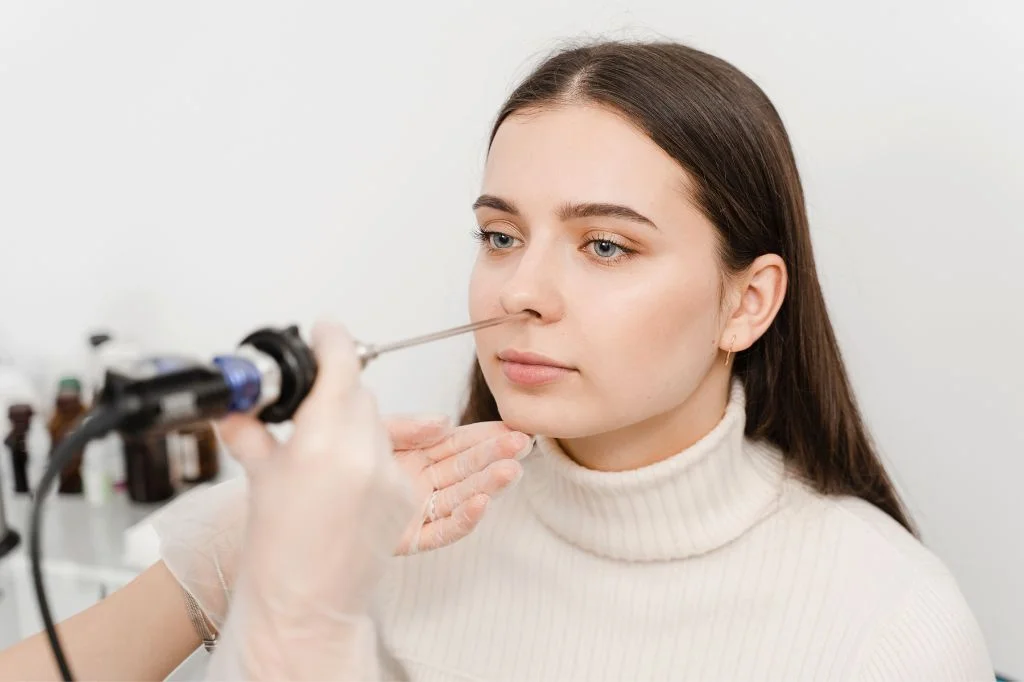
Yes. Our specialists can perform nasal endoscopy to look deep inside your nose and see exactly why the smell signals are being blocked.