
If you’ve noticed streaky red marks, blisters, or dark patches on your hands, wrists, or near your mouth a day or two after handling limes at a beach club or pool bar, you’ve likely come across lime burn — one of six causes covered in our broader guide to Bali rash. It looks alarming when the marks show up, but it’s common, well understood, and treatable. Here’s what’s actually going on, starting with what it looks like.
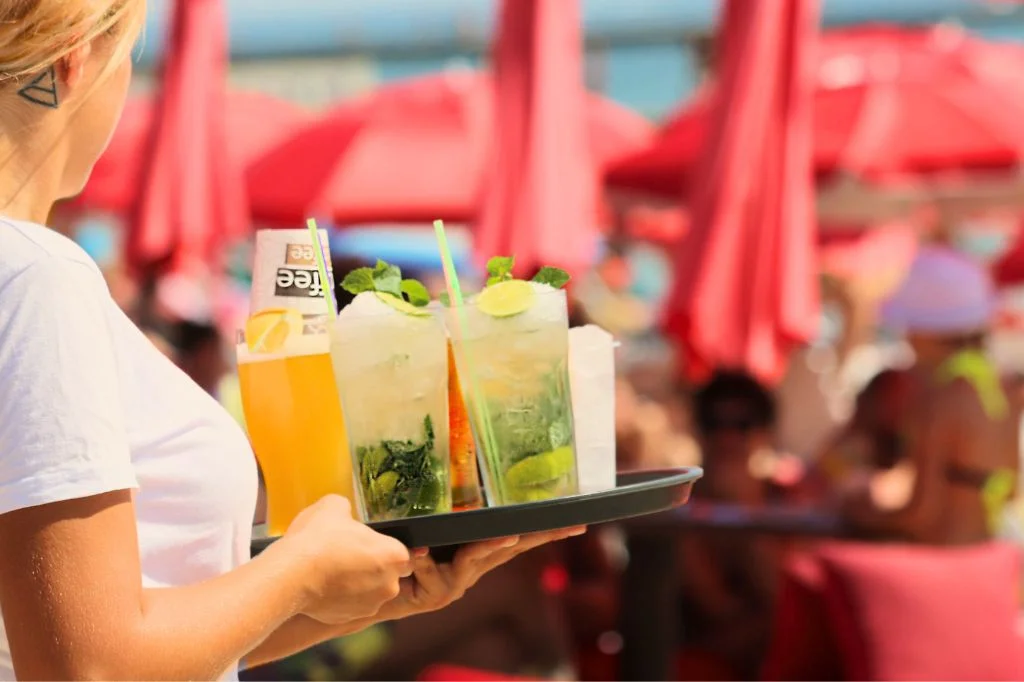
What Lime Burn Actually Looks Like
Lime burn shows up as streaky or splash-shaped redness and blistering that follows exactly where the juice touched and dripped on your skin — a common pattern is a line running down the wrist or between the fingers. It develops in two stages: within the first 24–48 hours you’ll typically see redness, swelling, and sometimes blisters, and over the days to weeks that follow, those areas fade into darker, brownish patches in the same streaky shape. That shape is actually a helpful clue: it’s rarely an even, all-over burn the way sunburn usually is.
Why Lime Juice and Sun Together Cause This
Lime burn — medically called phytophotodermatitis — happens because certain compounds in lime and other citrus peel react with UV light once they’re on your skin. It isn’t an allergy, and it isn’t caused by the lime alone or the sun alone; it takes both together, which is exactly why it so often catches people off guard in a place like Bali. Common ways it happens here include:
- Squeezing or garnishing drinks with lime at a pool bar or beach club, then relaxing in the sun with juice still on your hands
- Fresh lime on seafood, salads, or ceviche-style dishes eaten outdoors
- Using lime as a DIY hair-lightening or skin trick, then heading straight into the sun
- Lime or citrus-scented sunscreens and body products not meant to be worn in direct sun
The reaction isn’t limited to limes, either — lemons and other citrus can trigger the same response — but lime is by far the most common culprit in Bali, given how often it turns up in drinks and food.
Lime Burn vs. Other Bali Rashes
Lime burn is easy to confuse with other reactions at first glance, but each has its own pattern. It differs from heat rash, which shows up as raised bumps rather than streaky burns, and from tinea versicolor, which is flat and pale rather than red and blistered. It’s also different from contact dermatitis, which tends to be broader and less shape-specific, and from insect bites, which show up as isolated puncture marks rather than streaks or splashes. If the marks on your skin trace the outline of where a drink or fruit touched you, lime burn is usually the first thing to rule in.
Can You Treat It at Home?
Cool compresses and aloe vera can soothe mild redness and irritation, much like standard sunburn care. Beyond that, a few simple habits help while it heals:
- Keep the area out of direct sun until it’s fully healed
- Avoid popping blisters yourself — this raises the risk of infection
- Use a gentle, fragrance-free moisturizer once any blisters have closed
- Apply sunscreen generously to the area once healed, since it can stay more sun-sensitive for a while
Once the skin blisters or breaks, though, home care alone isn’t enough — it needs proper wound care to avoid infection. And none of these steps will speed up the fading of the dark discoloration much on their own; that part mostly just takes time and consistent sun protection.
When to See a Dermatologist
Most cases of lime burn heal fine with basic care and a bit of patience, but it’s worth having a dermatologist take a look rather than waiting it out if:
- The blisters are large, painful, or oozing
- The area shows signs of infection — increasing redness, warmth, or pus
- The discoloration isn’t fading after a couple of months
- You’d rather have guided treatment to fade the marks faster than wait it out
- It’s happened to you more than once and you want tips to avoid it on future trips
None of this needs to derail your trip — a quick same-day visit is usually enough to confirm what’s going on and get you a clear plan, rather than spending the rest of your holiday second-guessing a home remedy.
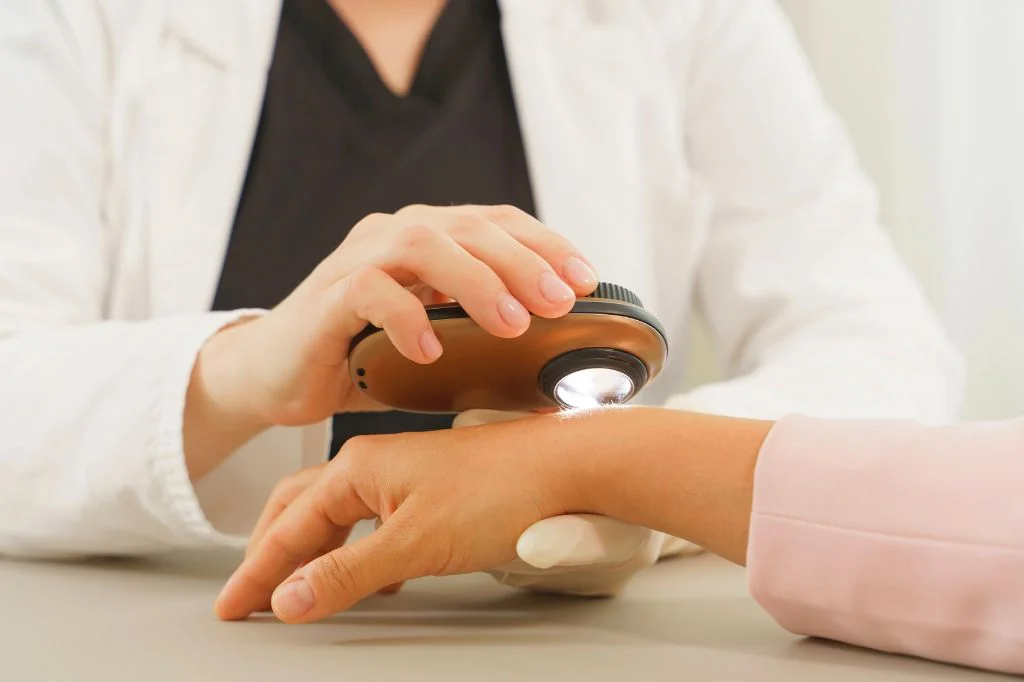
How Hydro Medical Treats Lime Burn
A dermatologist in Bali at Hydro Medical can confirm phytophotodermatitis rather than another cause, and put together a plan based on how far along it is — typically confirming the diagnosis and ruling out other causes like contact dermatitis or infection, providing wound care and guidance for any active blisters, and recommending treatment options to help fade lingering discoloration faster, along with simple prevention tips if you’re a repeat visitor to Bali.
Every consultation is private, and our team is fluent in English, with same-day appointments available across Canggu, Seminyak, and Kuta.
Frequently Asked Questions (FAQ)
What is lime burn (phytophotodermatitis)?
Lime burn, medically called phytophotodermatitis, happens when certain compounds in lime and other citrus peel react with UV light on your skin, producing a burn-like reaction wherever the juice touched and then caught the sun.
Why is this so common in Bali specifically?
Bali’s fresh limes in cocktails, seafood, and local dishes, combined with near-constant strong sun, create frequent chances for lime juice to land on skin right before sun exposure — especially at pool bars and beach clubs.
Is lime burn the same as a normal sunburn?
Not quite. A regular sunburn is an even, diffuse reaction to UV exposure alone. Lime burn is localized to wherever the citrus juice touched your skin, often producing streaky or splash-shaped marks and a longer-lasting brown discoloration rather than typical sunburn redness and peeling.
Why does it look like streaks or splash marks instead of an even burn?
The pattern follows exactly where the lime juice touched and dripped on your skin — drips down the wrist or fingers are a common shape — which is actually a useful clue for a dermatologist confirming the diagnosis.
Will the blisters and dark marks go away?
The blisters usually heal within one to two weeks, but the dark discoloration that follows can take weeks to several months to fully fade, especially with more sun exposure on top of it.
How long does the discoloration last?
Typically weeks to a few months, depending on skin tone and how much additional sun the area gets while healing. Keeping the area protected from the sun helps it fade faster.
Can I use aloe vera or ice for lime burn?
Cool compresses and aloe vera can soothe mild redness and irritation, similar to sunburn care. But blistered or broken skin needs proper wound care rather than home remedies alone, to avoid infection.
Is lime burn dangerous?
It’s not usually dangerous, but blisters can become infected if not cared for properly, and the resulting dark marks can be a lasting cosmetic concern if left untreated.
When should I see a dermatologist instead of waiting it out?
If blisters are large, painful, or oozing, if the area shows signs of infection, or if you’d rather have guided treatment to fade the discoloration faster instead of waiting months for it to happen on its own.
How can I prevent lime burn on future trips to Bali?
Rinse any skin that touches citrus juice before spending time in the sun, and be mindful at pool bars and beach clubs where lime is common in drinks and garnishes.
Lime burn looks worse than it usually is — it’s common, well understood, and treatable, even if the discoloration takes a little patience to fully fade. Hydro Medical’s dermatologists are available across Canggu, Seminyak, and Kuta for private, same-day consultations.