
You have been diligently using antibiotic ear drops for three days, yet instead of relief, your ear feels fuller and the itching has become unbearable. In the humid tropical climate of Bali, the enemy is often not bacteria, but fungus—a condition known as Otomycosis—which requires a completely different approach from standard ENT treatment protocols.
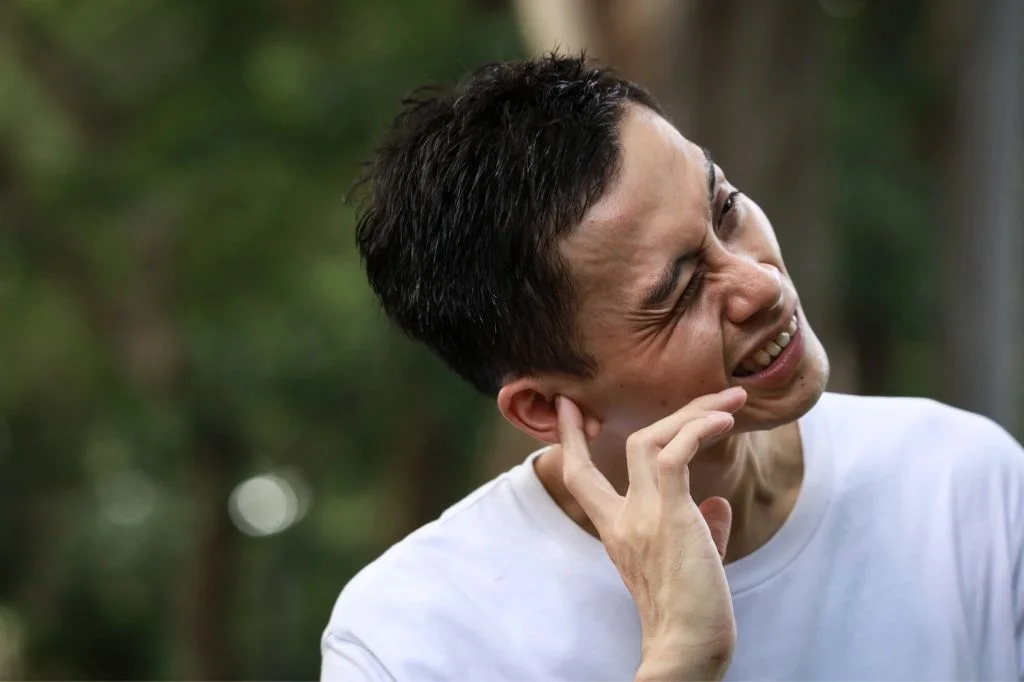
The “Tropical Ear” Trap (Why Fungus Thrives in Bali)
Fungus is an opportunistic organism that thrives in environments that are dark, warm, and moist. The human ear canal combined with Bali’s high humidity (often exceeding 80%) creates the perfect incubator for fungal species like Aspergillus and Candida to grow.
The situation often worsens due to a common medical mistake: treating a fungal infection with antibiotics. Antibiotics are designed to kill bacteria, including the healthy bacteria in your ear that naturally compete with and suppress fungal growth. When you use antibiotic drops on a fungal infection, you inadvertently kill the “guards,” allowing the fungus to multiply unchecked. This is known as a superinfection, where the treatment actually makes the condition worse.
Signs It Is Fungal (Otomycosis) vs Bacterial
Distinguishing between a fungal infection and standard bacterial Swimmer’s Ear is crucial for choosing the right treatment. While they share some similarities, the sensations are distinct.
Look for these key differences:
- The Itch vs. The Pain: This is the primary differentiator. Bacterial infections usually cause sharp, excruciating pain when the ear is touched. Fungal infections, however, are characterized by an intense, maddening itch deep inside the canal.
- The Blockage: Fungal infections often create a dense mass of debris, making the ear feels blocked or full, similar to the sensation of having water trapped that won’t come out.
- Differentiation: If the pain is sharp and radiates when you chew, it might be jaw or deep ear pain (TMJ) rather than an infection. However, if the itch is the dominant symptom, it is almost certainly fungal.
- Discharge Appearance: Bacterial discharge is typically liquid and yellow (pus). Fungal discharge is often thick, whitish-grey, or may look like “wet newspaper” with tiny black or yellow dots (spores).
Common Causes in Bali
Several factors make tourists in Bali specifically prone to this condition:
- Trapped Water: Residual water from pools or the ocean that isn’t dried properly softens the skin, allowing fungus to penetrate.
- Over-cleaning: Aggressively cleaning your ears removes cerumen (ear wax), which has a naturally acidic pH that inhibits fungal growth.
- Environmental Humidity: Simply staying in non-air-conditioned rooms with high humidity can promote fungal overgrowth in susceptible individuals.
Why You Need Professional Cleaning (Not Just Drops)
Treating Otomycosis is uniquely challenging because the fungus creates a physical barrier of spores and debris that coats the ear canal. If you apply drops on top of this “carpet,” the medication simply sits on the debris and never reaches the infected skin underneath.
Standard water flushing (syringing) is often discouraged, as adding more moisture can feed the fungus. The gold standard for effective treatment is Microsuction—a dry vacuuming technique performed by a doctor. This physically removes the fungal mass and dead skin, clearing the path for medication to work effectively.
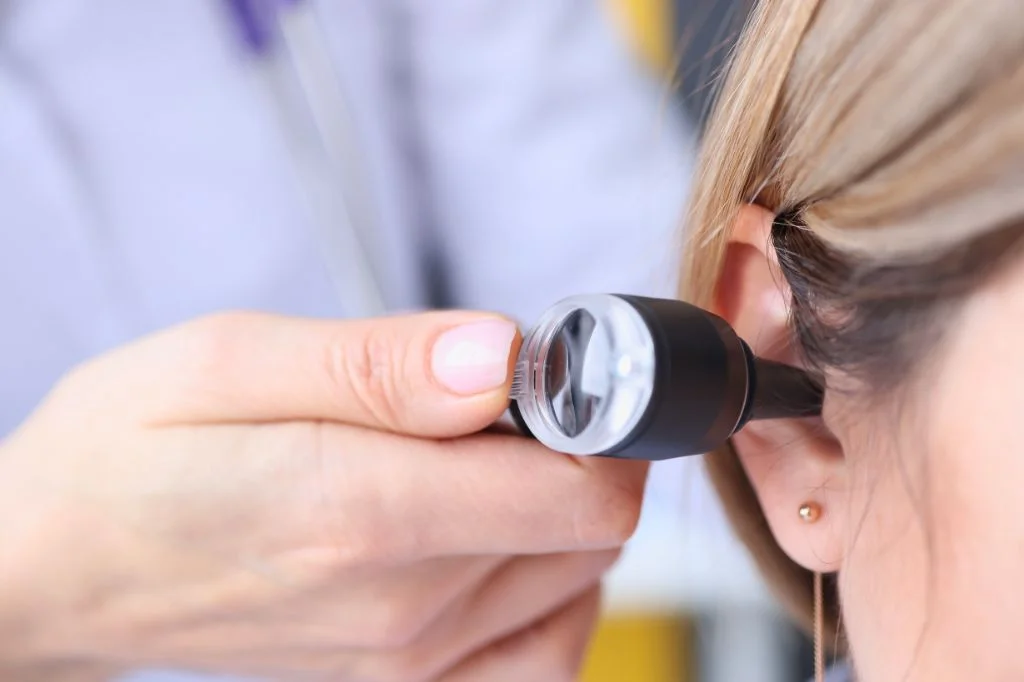
Medical Treatment at Hydro Medical
At Hydro Medical, our approach focuses on total eradication to prevent the infection from returning. Our protocol involves:
- Visual Confirmation: We use an otoscope to identify the specific fungal spores (often visible as black or white dots).
- Microsuction Cleaning: We perform a “toilet of the ear,” using a medical vacuum to remove all fungal debris and dead skin without introducing water.
- Targeted Medication: Once the canal is clean, we apply specialized anti-fungal drops that can now penetrate the skin effectively.
- Dry Ear Protocol: We advise keeping the ear 100% dry (using cotton and Vaseline during showers) to starve the fungus of the moisture it needs to survive.
If the infection is severe or recurring, an ENT specialist consultation ensures the most accurate assessment and follow-up care.
Conclusion
If your ear is itchy, blocked, and not responding to antibiotics, stop using the drops immediately—they may be feeding the problem. Fungal ear infections require mechanical cleaning and specific anti-fungal medication to heal. Visit Hydro Medical for a professional assessment and microsuction to restore your hearing and comfort.
EAR ITCHY AND BLOCKED?
Antibiotics might be making it worse. You likely need a fungal cleaning. Get effective relief today.
Frequently Asked Questions
How do I know if it’s fungal or bacterial ear infection?
Bacterial infections usually cause sharp pain. Fungal infections (Otomycosis) primarily cause intense itching and a feeling of fullness/blockage.
Can I use antibiotic drops for a fungal ear infection?
No. Antibiotics kill bacteria, not fungus. In fact, using antibiotics can kill the good bacteria that compete with the fungus, allowing the fungal infection to grow faster.
What does fungal ear discharge look like?
It often looks like thick white debris, “wet newspaper,” or may have tiny black, grey, or yellow dots (spores).
Is Otomycosis contagious?
It is generally not contagious from person to person, but you can catch it from contaminated water or swimming pools.
How is it treated at Hydro Medical?
The most important step is Microsuction. We vacuum out the fungal debris so the ear canal is clean. Only then do we prescribe anti-fungal ear drops.
Can I clean it myself with a cotton bud?
No! Cotton buds push the fungus deeper towards the eardrum and can damage the inflamed skin, making the infection worse.
Why is this common in Bali?
Fungus thrives in warm, humid environments. Bali’s high humidity and water activities create the perfect breeding ground for Aspergillus and Candida species.
Can vinegar cure ear fungus?
Diluted vinegar (acetic acid) can help prevent mild cases by restoring acidity, but it will not cure an established infection that has blocked the ear. You need medical antifungal medication.
How long does it take to heal?
With professional cleaning and proper drops, symptoms usually improve in 2-3 days, but you may need to continue drops for 10-14 days to prevent regrowth.
What should I avoid during treatment?
You must keep your ear 100% dry. No swimming, and use a cotton ball with vaseline when showering to prevent water entry.