
Experiencing a sharp, sudden “zap” of pain while biting down on your favorite meal is a classic warning sign that your tooth’s structural integrity has been compromised. In the active environment of Bali—where hot coffees, ice-cold tropical juices, and crunchy local cuisine are part of daily life—a minor crack can quickly expand into a serious fracture. Recognizing ini symptoms early is the only way to maintain your dental care in Bali and prevent the permanent loss of a natural tooth.
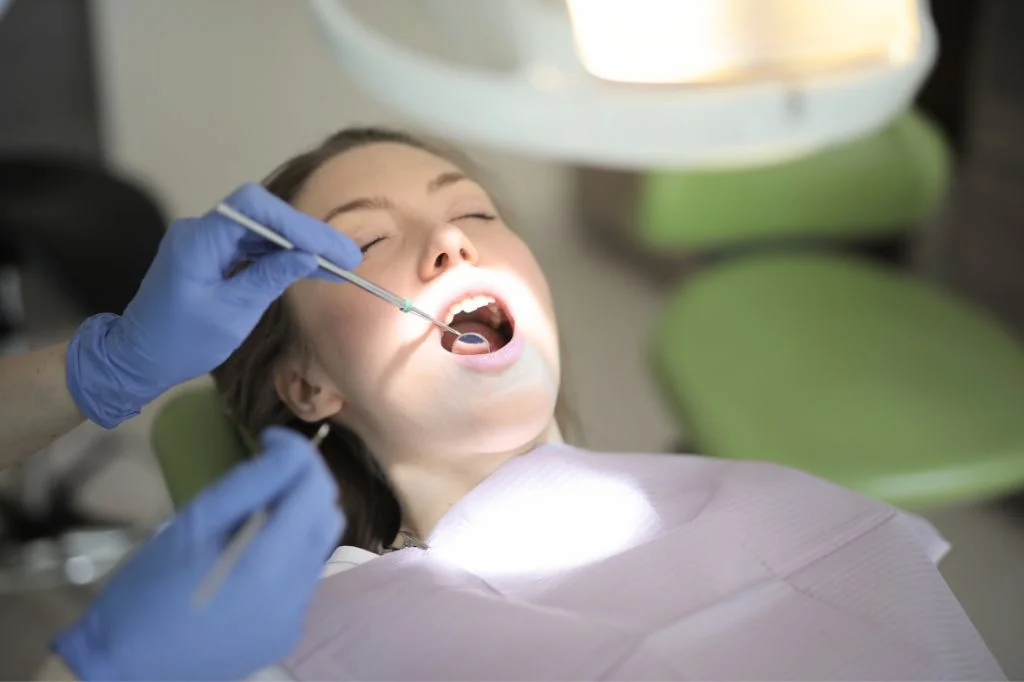
Recognizing the Symptoms of a Cracked Tooth
Cracked Tooth Syndrome is notoriously difficult to self-diagnose because the pain is often erratic and doesn’t present as a constant ache. Unlike a typical cavity, the discomfort usually follows a specific pattern:
- Erratic Sharp Pain: You may feel a sudden, jabbing pain specifically when you bite down or, more commonly, upon “releasing” the bite.
- Temperature Sensitivity: Extreme discomfort when the tooth is exposed to cold water or hot beverages, as the crack allows temperature changes to reach the inner pulp.
- Localized Gum Swelling: If the fracture has extended toward or below the gum line, you may notice slight inflammation or a “pimple-like” bump on the gums near the affected tooth.
Why Cracks Are Hard to Find Without Professional Help
One of the most frustrating aspects of a cracked tooth is that it often looks perfectly healthy to the naked eye. Many fractures are microscopic or hidden beneath the gum line, making them invisible on standard dental X-rays.
To accurately identify the issue, a specialized dental clinic in Bali must use diagnostic techniques such as transillumination (shining a high-intensity light through the tooth) or a bite test using specialized tools. These methods allow our dentists to see if the tooth segments are flexing under pressure, which is a definitive sign of a structural crack.
The Risk of Ignoring the Zap
A crack in a tooth is a progressive problem; unlike a bone, a tooth cannot heal itself. Every time you chew, the pressure causes the crack to open and close, leading to several serious complications:
- Pulpitis & Infection: The constant friction irritates the soft pulp inside, eventually leading to irreversible inflammation or a painful dental abscess.
- Severe Toothache: Untreated cracks are a primary cause of a throbbing and persistent toothache in Bali that can ruin your travel plans.
- Total Tooth Fracture: If left untreated, the tooth can split entirely in half. Once a crack reaches the root, the tooth can no longer be saved and will require an emergency extraction.
Following international dental safety standards is crucial to stabilizing the tooth structure before these permanent fractures occur.
Addressing Secondary Complications
Beyond the pain, a cracked tooth serves as a gateway for bacteria. Microscopic crevices trap food debris that your toothbrush cannot reach, often leading to localized decay and persistent bad breath. In some cases, a crack located in the back of the mouth can be exacerbated by the pressure from an impacted wisdom tooth in Bali, making a comprehensive dental evaluation essential to protect your overall oral health.

Conclusion
A sharp zap while eating is your tooth’s way of asking for immediate help before a minor crack becomes a major loss. Taking the time for a professional diagnostic check-up can mean the difference between a simple restorative filling and a complex surgical procedure. For an expert assessment and modern restorative solutions, visit Hydro Medical at our specialized dental branches in Batu Bolong, Berawa, or Batu Belig.
SAVE YOUR NATURAL TOOTH
A sharp zap is your tooth’s way of asking for help. Don’t wait for the crack to split. Our restorative experts at Hydro Medical can diagnose and treat cracks before they become permanent losses.
Frequently Asked Questions (FAQ)
Can a cracked tooth heal on its own?
No, teeth cannot heal themselves; a crack will continue to expand under the pressure of daily chewing.
Will an X-ray always show a crack?
Not necessarily. Many cracks are invisible on X-rays and require a physical bite test or transillumination.
Is a cracked tooth a dental emergency?
It is a priority issue; waiting increases the risk of the tooth splitting entirely and requiring extraction.
Can I still eat on a cracked tooth?
You should avoid chewing on the affected side until a dentist has stabilized the tooth to prevent further fracturing.
How do dentists fix a cracked tooth?
Depending on the severity, treatments range from simple dental bonding and crowns to root canals.
Does a cracked tooth cause bad breath?
Yes, if food and bacteria become trapped within the crevice of the crack, leading to localized decay.
What is the difference between a craze line and a crack?
Craze lines are harmless surface-level scratches in the enamel, while a crack involves the deeper layers of the tooth.
Can a cracked tooth cause gum swelling?
Yes, if the crack extends toward the root, it can cause localized inflammation or a dental abscess.
How long does it take to repair a cracked tooth?
A simple bonding or crown prep usually takes one to two appointments at our Bali branches.
Where can I get a cracked tooth checked in Canggu?
Hydro Medical offers specialized diagnostic care at our Batu Bolong, Subak Sari, and Batu Belig branches.