
You arrived in Bali expecting fresh tropical air, but instead, you are spending your holiday clutching a tissue packet due to unstoppable sneezing. While many visitors mistake these symptoms for a flu, the absence of fever often points to Allergic Rhinitis, a condition triggered by the island’s unique environmental factors. Understanding how to manage these specific triggers is a key part of maintaining your health and follows recommended ENT care standards for tropical travel.
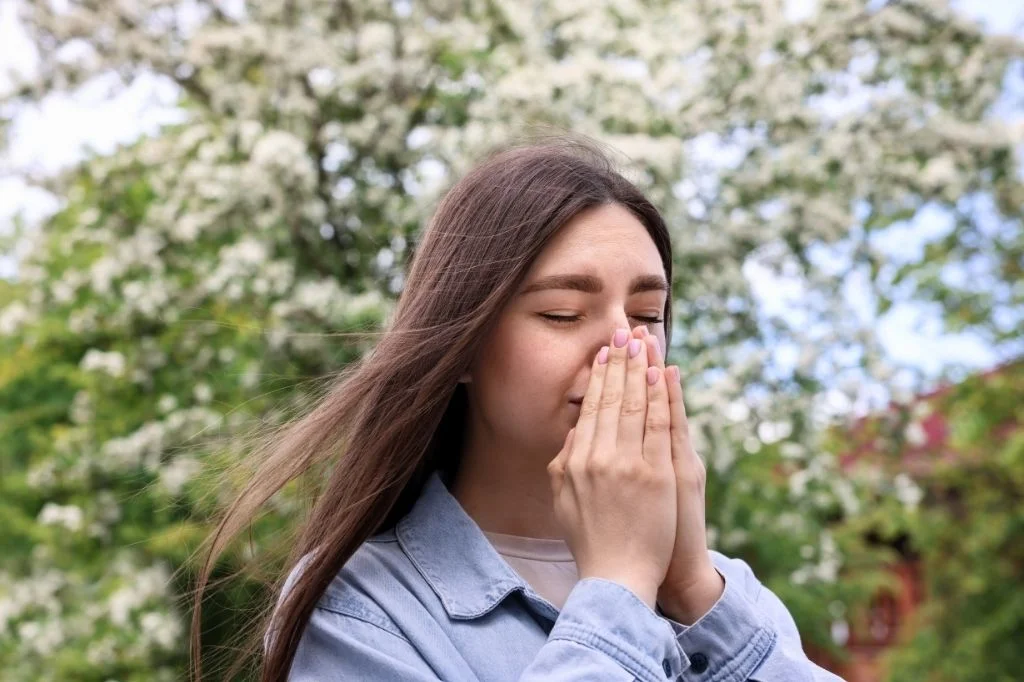
Is it a Cold or “Bali Allergies”?
It is easy to confuse Allergic Rhinitis with the common cold, but looking closely at your symptoms reveals the difference. While a virus attacks your system, allergies are simply your immune system overreacting to the environment.
Here is how to tell them apart:
- Duration: A cold typically runs its course in 5 to 7 days. Allergies, however, will persist for as long as you are exposed to the trigger—which could be your entire trip.
- Mucus Appearance: Viral infections usually produce thick, yellowish, or green mucus. Allergic reactions typically cause clear, watery discharge that runs constantly.
- The Fever Factor: Unlike the symptoms of a common cold which often include a fever or body aches, allergies never cause a temperature spike.
- Itchiness & Pressure: If your eyes are watery and the roof of your mouth feels itchy, it is almost certainly an allergy. Severe congestion from allergies can also cause blocked ears, making them feel full or popped.
The Top 3 Triggers in Bali
Bali has a unique “allergy profile” compared to other destinations. If you are sneezing, one of these three culprits is likely responsible:
- Mold (Humidity): With humidity often exceeding 80%, mold spores thrive in older villas, on damp pillows, and inside wooden furniture. These invisible spores are easily inhaled, causing immediate congestion.
- Incense Smoke (Dupa): The distinct scent of Bali comes from Canang Sari (daily offerings) burning in every shop and street corner. For sensitive respiratory systems, the particulate matter in this smoke is a potent irritant.
- Construction Dust & Pollen: Rapid development in areas like Canggu and Uluwatu creates dust, which mixes with windblown pollen from tropical flowers like Frangipani, creating a “cocktail” of allergens.
Practical Management Tips
You cannot change the weather, but you can control your immediate environment to reduce exposure:
- Check Your AC: Dirty air conditioners are efficient mold spreaders. Ensure the filters in your accommodation are clean; if the air smells musty, request a service.
- Smart Ventilation: Open windows in the morning for fresh air, but keep them closed in the late afternoon when neighbors might be burning trash or incense.
- Rinse It Out: Perform a nasal wash with sterile saline water after a day out. This physically flushes allergens out of your nasal cavity before they cause inflammation.
Medical Treatment at Hydro Medical
If avoiding triggers isn’t enough, medical intervention is necessary to improve your quality of life. At Hydro Medical, our approach includes:
- Antihistamines: We prescribe non-drowsy oral medications (like Cetirizine or Loratadine) to block the histamine reaction that causes sneezing and itching.
- Steroid Nasal Sprays: For chronic cases, prescription sprays help reduce long-term inflammation in the nasal tissues. This is crucial because untreated chronic congestion can eventually lead to a sinus infection.
- Supportive Care: High-dose Vitamin C and hydration therapy can help stabilize immune cells and reduce the body’s overall inflammatory response.
If symptoms persist despite treatment, an ENT specialist consultation is recommended to check for other underlying issues like nasal polyps.

Conclusion
Don’t let a “Bali Sneeze” ruin your tropical getaway. If over-the-counter remedies aren’t working, professional medical support can stop the reaction fast. Visit Hydro Medical to get the right diagnosis and medication so you can breathe freely again.
ALLERGIES RUINING YOUR TRIP?
Stop the sneezing and enjoy Bali. Get rapid relief with the right antihistamines and care.
Frequently Asked Questions
Why am I sneezing so much in Bali?
It is likely Allergic Rhinitis triggered by high humidity, mold spores in accommodation, or smoke from daily incense offerings.
How do I know if it’s allergies or a cold?
Allergies usually have clear mucus, no fever, and itchy eyes. Colds often have yellow mucus, body aches, and fever.
Can mold in my villa make me sick?
Yes. “Sick Building Syndrome” from hidden mold is common in humid climates. It causes congestion, headaches, and fatigue.
Is incense smoke bad for allergies?
Yes. The smoke acts as a respiratory irritant. Even if you aren’t “allergic” to the smell, the particles can trigger sneezing and congestion.
Can I buy allergy medicine in Bali?
Yes, but consult a doctor first. Some over-the-counter meds can make you drowsy. A doctor can prescribe non-drowsy options or stronger nasal sprays.
Does air conditioning help allergies?
Yes, if the filter is clean. It reduces humidity (killing mold) and filters out pollen. However, a dirty AC can blow dust/mold directly into your nose.
Can I get an allergy test in Bali?
Basic blood tests for allergy markers (IgE) are available, but identifying specific triggers (like specific pollens) is often done based on history and symptoms.
Will a face mask help?
Yes. Wearing a mask while riding a scooter helps filter out dust, smoke, and pollen, significantly reducing allergy attacks.
Can allergies cause a sinus infection?
Yes. If allergies cause chronic blockage, mucus gets trapped and can become infected by bacteria, turning into sinusitis.
What is the fastest relief for itchy eyes?
Oral antihistamines work well, but antihistamine eye drops provided by a doctor give the fastest localized relief.